


Direct answer: A LEGO Whatnot auction works best when you treat it like a small live retail show, not a garage sale with a camera pointed at it. That means sorting and pricing your minifigures and sets before you go live, picking a starting bid strategy that gets people bidding instead of scrolling past, and having a packaging and shipping system ready so a 40-item show doesn't turn into three days of bubble wrap. I've run shows from a folding table with 10 viewers to shows with a real following behind them, and the setup work matters more than the on-camera performance.
In my experience, most new sellers spend all their prep time worrying about how they'll look on camera and almost no time organizing inventory, and that's backwards. Buyers on Whatnot are shopping a live auction house for LEGO, Pokemon, sports cards, and other collector categories, so a smooth, well-paced show with clearly identified minifigures and fair starting bids will outperform a polished presenter with a messy box of loose figures every time.
- Set up your Whatnot stream and category before your first show, not during it.
- Sort and identify inventory ahead of time so you're not guessing values live.
- Use low starting bids to trigger bidding activity, not to give items away.
- Budget roughly $20 in boosted promotion per show if you're trying to grow.
- Build a repeatable packaging and shipping workflow before the show ends, not after.
What Makes Whatnot Different From Other LEGO Selling Platforms?
Whatnot is a live auction and buy-now marketplace, which means your LEGO sells in real time to whoever is watching and bidding, instead of sitting in a static listing waiting for a search result. That live format rewards sellers who show up consistently and build an audience, and it can push prices above typical market value for the right buyers in a way that a fixed-price BrickLink or eBay listing usually can't.
I think Whatnot is an excellent platform, and there's a real reason it became one of the fastest growing companies in ecommerce. Growth can take a while at first, but I've seen sellers with the right ingredients, meaning a consistent show schedule, an engaging style, a decent camera setup, and real audience interaction, get explosive results once the algorithm and the regulars start working for them.
What I'd tell a brand new seller is this: don't expect your first show to look like your fiftieth. My first Whatnot show had about 10 people watching and did just over $500 in sales, which felt like a huge win at the time. That's a realistic starting point, not a failure.
How Do You Set Up Your LEGO Whatnot Stream Before Going Live?
Stream setup means picking the right category, writing a show title that tells buyers exactly what to expect, testing your camera and lighting on the actual LEGO pieces you'll sell, and confirming your payout and shipping settings are correct. Do this once, well, and every future show gets faster.
Start in the Whatnot LEGO category so your show shows up where LEGO buyers are actually browsing. Categories with a loyal, brand driven fan base, like LEGO, Pokemon, sports cards, and even DeWalt tools, tend to do especially well on Whatnot because those buyers already know what they're looking for and are used to bidding on it live.
A few practical setup steps I recommend before your first stream:
- Use a phone or webcam at eye level with the items, not an overhead angle that distorts scale.
- Add a plain, well lit background so minifigures and box art are easy to see on a small phone screen.
- Write a show title with the theme or era you're selling, like "Star Wars & Marvel Minifigure Auction," so buyers self select in.
- Double check your shipping settings and payout account before you go live, not mid show.
Which LEGO Categories Sell Best on Whatnot?
Star Wars, Marvel, and Ninjago tend to sell fastest on Whatnot because they combine broad name recognition with strong character and story demand, which is exactly what live auction buyers respond to in the moment. Slower moving categories like City minifigures, which I've noticed rarely sell for more than about $2 a figure, are better suited to bulk lots than a live spotlight.
Here's how I'd rate the major themes for a live LEGO auction format, based on what I've personally seen move on camera:
| Theme | Whatnot Liquidity | Why It Performs This Way |
|---|---|---|
| Star Wars | Very high | Broad, familiar demand; great for beginners |
| Marvel | High | Huge market, often underrated relative to demand |
| Ninjago | High | Ongoing show keeps character demand active |
| Castle & Pirates | Moderate to high | Nostalgia driven collectors will pay up for the right piece |
| Collectible Minifigures (CMF) | High | Mystery factor of sealed packs keeps bidding active |
| Harry Potter | Lower | Less liquid live; often does better on BrickLink |
| City | Low | Individual figures rarely bring meaningful bids |
This isn't a universal rule for every single figure, values swing on rarity and condition, but as a general show planning guide it's held up well across the shows I've run and watched.
How Should You Organize Your LEGO Inventory Before a Show?
Sort your inventory into show ready lots before you ever hit the "go live" button, grouped by theme, character, or price tier so you can move through items quickly without dead air. Dead air is where viewers lose interest and click away, and a disorganized box of loose figures is the fastest way to create it.
When I sort inventory for a show, I separate items into three rough buckets: hero pieces I'll spend real time building bids on, solid mid tier figures that move fast at a fair price, and bulk or damaged pieces I'll auction in small grab bag lots. Damaged and dirty inventory is honestly a slept on category. A lot of sellers throw out figures that are scuffed or missing a small part instead of restoring or bundling them, and I think that's a mistake when there's a whole market for it.
Before you can price anything with confidence, you need to actually know what you're holding. I use brick'em's minifigure database to confirm names and identify figures I'm not 100% sure of, and I run larger boxes through the haul calculator to get a fast read on total inventory value before I ever plan a show around it. Guessing values on camera in front of bidders is not a good look, and it slows the whole show down.
What's the Right Pricing Strategy for a LEGO Whatnot Auction?
Price your LEGO auction lots with a low starting bid designed to trigger activity, not with a number that reflects what you hope the item eventually sells for. Low starting bids create urgency and social proof; once two or three people are bidding against each other, the price tends to find its own level, often above what a fixed price listing would have gotten.
Heads up: This is not financial or legal advice. We're sharing what we've learned from the LEGO reselling community.
In my view, this is one of the biggest mindset shifts for sellers coming from eBay or BrickLink, where you set a price and wait. On eBay, if you list a common figure 30 to 50 percent below current market value, I'd expect it to sell within 24 to 48 hours because buyers there love a steal. On Whatnot, you're intentionally starting even lower and letting the live bidding do the work of finding fair value, sometimes landing above market instead of below it.
Before you set any starting bids, check what similar pieces have actually sold for. BrickEconomy is a solid resource for tracking set and market trends over time, and cross checking against recent BrickLink sold listings will keep your starting points realistic instead of wishful.
How Do You Set Starting Bids That Actually Get Bidding Wars?
Set starting bids low enough that a first time viewer feels comfortable placing an opening bid within seconds of seeing the item, usually a dollar or a few dollars under what you'd accept as a worst case outcome. The goal is momentum, not protecting every dollar of value on the first bid.
A seller I know put it simply: the worst thing that happens with a low starting bid is the item sells for slightly less than you hoped once, but the best thing that happens is you build a reputation as a seller worth watching because your auctions are exciting and move fast. I found that reputation compounds. Once regular bidders trust that your show moves and your starting bids are fair, they show up earlier and bid more aggressively on future shows.
For higher value pieces, like a rare minifigure that could carry real weight (some rare figures, roughly the size of two thirds of an index finger, have sold in the $2,000 to $3,000 range), I'll still open low but I'll build anticipation earlier in the show by mentioning it's coming up, so serious bidders are watching when it hits the screen.
Should You Pay for Whatnot Boosted Promotions?
Boosted promotions can be worth it in the early growth phase of a show, and I personally budget around $20 per show on Whatnot boosted promotion near the start of a stream to help pull in extra eyeballs while the algorithm is still learning who you are. It's a small, controlled spend, not a requirement.
I started using boosts specifically in that first 10 to 15 minutes of a show, because that's when new viewers decide whether to stick around. Whatnot also runs no seller fee days from time to time, which is worth watching for if you're trying to time bigger shows around lower platform costs. Because Whatnot has raised a large late stage funding round and appears to be building toward a public offering, I expect the platform to keep favoring sellers with strong economics for now, though that dynamic can shift over time as investor pressure changes, so it's worth staying current on actual fee terms before you plan around them.
How Do You Package and Ship LEGO After a Whatnot Auction?
Package LEGO minifigures in small poly bags or bubble mailers sized to the item, and pack sets in a properly sized box with enough cushioning that pieces can't shift and crack the box art during transit. Oversized boxes with loose padding are the most common reason sealed sets arrive with dented corners.
When I sell a big show, I batch shipping the same way I batch sorting: minifigures go straight into small bags with a backing card or bubble wrap so they don't rattle around, and anything with retail packaging gets its own protective outer box rather than sharing space with heavier items. I learned this the hard way early on, a rare sealed set of mine took interior damage in transit because I shipped it in a bag that was too thin, and I've packed differently ever since.
A quick post show packaging checklist I run through every time:
- Confirm buyer addresses and any bundled orders before printing labels.
- Bag and label minifigures individually so nothing gets mixed up in a multi item order.
- Use a rigid outer box for anything with retail packaging or box art.
- Add extra cushioning around corners, which is where sealed boxes take the most damage.
- Ship within your stated handling window to protect your seller rating.
What Mistakes Do New Whatnot LEGO Sellers Make?
The most common mistake I see is treating the first show like it needs to be perfect, which leads to over preparing on production value and under preparing on inventory and pricing. A modest setup with well organized, clearly priced LEGO will outsell a polished set with disorganized inventory almost every time.
New sellers should expect a real learning curve, and honestly, expect to lose a little money on some items during your first few shows while you're building a customer base. That's normal. I reached a few thousand followers and over $30,000 in sales within about 5 months without ever showing my face on camera, and the biggest lever wasn't my presentation, it was being consistent with show scheduling and genuinely engaging with the chat by asking questions people wanted to answer.
Another mistake is ignoring other channels that feed a Whatnot business. I still source inventory from Facebook Marketplace and from bulk lots on eBay, then bring the best pieces to a live show where they can earn more than a static listing would. If you want to check your total inventory value across a big haul before deciding what goes to a show versus what goes straight to BrickLink, brick'em's collection value calculator is a fast way to get a realistic number instead of guessing.
If you're serious about turning this into a repeatable business rather than a one time show, it's worth setting up your inventory and pricing workflow properly from the start. You can start a free 14-day brick'em trial to scan and price a bulk lot before your next show instead of sorting it all by hand.
Frequently Asked Questions
How much does it cost to sell LEGO on Whatnot?
Whatnot takes a percentage of each sale, and fees can shift over time, so I'd recommend checking Whatnot's current seller fee page before your show rather than relying on an old number. Whatnot also periodically runs no seller fee days, which can be a good time to schedule a bigger show if your inventory is ready.
What's a good starting bid for LEGO minifigures on Whatnot?
A good starting bid is low enough to get an immediate first bid, often just a dollar or two under the price you'd be happy accepting worst case. In my experience, low starting bids create bidding momentum that frequently pushes the final price above what a fixed price listing would have earned.
Is Whatnot better than eBay for selling LEGO?
Neither is universally better; they solve different problems. eBay puts your listing in front of a huge search based audience and tends to move priced to sell inventory fast, while Whatnot's live format can push prices above market for engaged buyers once you've built a following and a consistent show schedule.
How do I avoid damaging sealed LEGO sets during shipping?
Use a rigid outer box sized close to the set with extra cushioning at the corners, since that's where box art most often gets dented or crushed. Avoid oversized boxes with loose fill that lets the set shift around, and never ship a sealed box without an outer protective layer.
What LEGO categories should a beginner bring to their first Whatnot show?
Star Wars, Marvel, and Ninjago tend to be the most beginner friendly because they're broadly recognized and consistently liquid on Whatnot. I'd avoid leading a first show with slower categories like City minifigures, which rarely bring strong bids individually and do better sold in bulk lots.
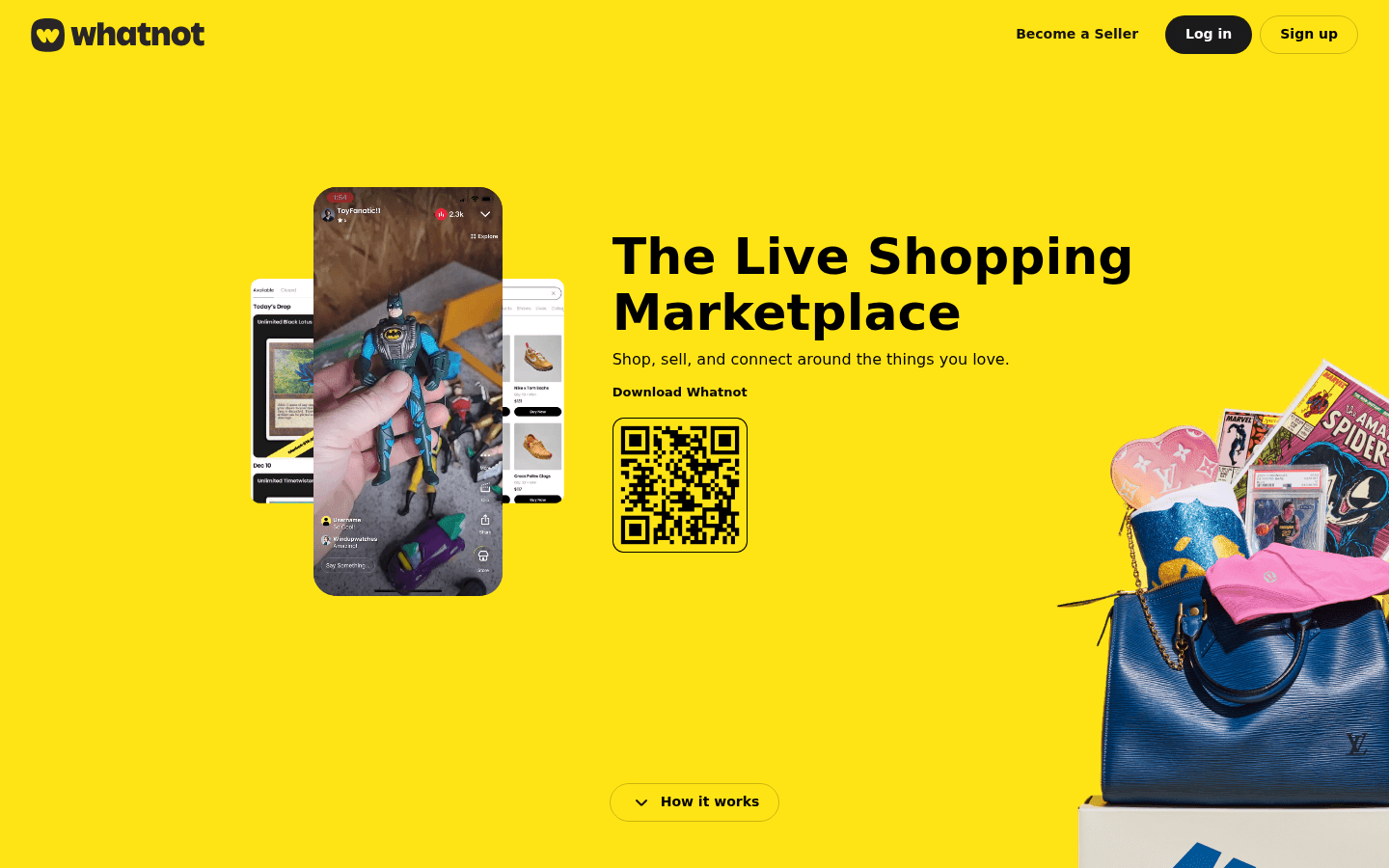
What Do These LEGO Selling Platforms Look Like?
Before choosing where to sell, it helps to see the difference between a live-selling marketplace, a broad search marketplace, a LEGO-native catalog, and a social or local channel. These screenshots are visual references only. Platform interfaces, fees, and rules can change.
CTA(Identify%20and%20Price%20100%2B%20Figures%20With%20One%20Pic).png)

