

Whatnot LEGO break pricing comes down to one simple equation: add up what your inventory is actually worth, divide it across spots so each one feels like a fair gamble, then layer in platform fees and shipping before you call it profit. If you skip the math and just wing numbers on camera, you'll either scare off buyers with spots that feel like a ripoff or give away minifigures that should have paid your rent. I've run breaks both ways, and the difference between a show that pays off and one that doesn't almost always traces back to pricing decisions made before you ever went live.
In my experience, most new sellers treat breaks like a game show instead of a business. They pick a round number because it sounds exciting, not because it reflects the actual value sitting in the box. This guide walks through how break pricing really works on Whatnot, how to structure spots so the math holds up, and how to avoid the mistakes that quietly eat your margin.
- Price spots using your total inventory cost plus a target margin, not a guess.
- Factor in Whatnot's take rate and payment processing before you lock in spot prices.
- Smaller, well-sorted breaks tend to sell through faster than huge mystery boxes.
- Source inventory from bulk lots and local marketplaces to protect your margin from the start.
- Track every item before the show so you know your break cost per spot in real time.
What Is a LEGO Break on Whatnot?
A LEGO break is a live show format where sellers divide a batch of inventory, usually minifigures or sealed CMF boxes, into numbered spots that buyers purchase before the reveal. Once every spot sells, the host opens or reveals the items live and each buyer gets whatever lands on their spot. It's the same idea trading card sellers have used for years, just applied to LEGO.
Breaks work because they turn a pile of mixed inventory into a game with real suspense. A seller I know built an entire Saturday night show around nothing but minifigure breaks, and the chat stayed active the whole time because nobody knew what was coming next. That energy is the actual product you're selling, not just the plastic.
How Does Whatnot LEGO Break Pricing Actually Work?
Break pricing works by splitting your total inventory cost and desired profit across every spot you plan to sell, then adjusting individual spot prices so better odds or bigger reveals cost more. Start with a floor: add up what you paid for the lot, plus fees, plus a target margin, then divide by the number of spots to find your break even price per spot.
From there you can tier spots. A basic minifigure break might have twenty identical spots priced the same, while a mixed break with a rare chase figure buried inside might price one or two "hot spots" higher because buyers know the odds of landing something special are better on those numbers. I personally like keeping at least some spots priced low enough that newer buyers feel comfortable jumping in, since a packed box of buyers tends to push the whole show further than a handful of high rollers.
How Many Spots Should You Sell for a LEGO Minifigure Break?
Most sellers run minifigure breaks somewhere between ten and thirty spots, depending on how many figures are in the lot and how long they want the segment to run. Fewer spots move faster and feel more exclusive, while more spots spread risk thinner and let more buyers participate at a lower price point.
| Break Size | Typical Spot Count | Best For |
|---|---|---|
| Small | 8 to 12 spots | Rare or high value minifigure lots |
| Medium | 15 to 20 spots | Mixed theme bulk lots |
| Large | 25+ spots | Clearing out large bulk purchases fast |
In my experience, medium sized breaks hit the best balance for regular shows. They sell through in a reasonable amount of time without making each spot feel diluted.
What Should You Charge Per Spot?
Charge enough per spot to cover your inventory cost, Whatnot's fees, and shipping, plus a margin on top, which usually means pricing spots a bit above what you paid per item on average. Pull your average cost per minifigure or set from however you track inventory, then price up from there instead of pricing down from what you hope to get.
Before I lock in spot pricing, I run the lot through brick'em's LEGO collection value calculator to get a realistic read on what the whole batch is worth, then cross check standout pieces against the LEGO investment calculator if anything in the lot looks like it's appreciated over time. That gives me a number I trust more than a gut feeling, especially on lots I bought sight unseen.
When you mention set or minifigure values on a Whatnot break, BrickLink pricing is the closest thing the hobby has to a trading floor, and plenty of sellers cross reference it before naming a number out loud on stream.
Heads up: This is not financial or legal advice. We're sharing what we've learned from the LEGO reselling community.
What Fees Eat Into Your Break Profit?
Whatnot fees and payment processing both come out of your break revenue before you see a dollar of profit, so they need to be baked into your spot prices from the start, not subtracted as a surprise afterward. Whatnot has run no seller fee days in the past and its take rate has shifted over time as the platform has grown, landing somewhere in the high single digit percent range plus payment processing in most of my recent shows, so it's worth checking the current commission structure on Whatnot directly before you price a show, rather than relying on last year's numbers.
I also budget for promotion. I started spending around $20 per show on Whatnot's boosted promotion option early in the stream, and in my experience that spend pays for itself by pulling more eyeballs in during the first few minutes when the chat is building momentum. My own first Whatnot show only had about 10 people watching and still did over $500 in sales, which is a reminder that a small audience with the right pricing can outperform a big one with sloppy spot math. Five months later I'd grown that into 3,000 plus followers and over $30,000 in total sales, and break-style shows were a real part of getting there.
Where Do You Source Inventory for LEGO Breaks?
The best break inventory usually comes from bulk lots, since buying mixed minifigures or sets at a discount and splitting them into individual spots is exactly how the margin gets built in. Facebook Marketplace is a goldmine for this because people clearing out old LEGO rarely know what individual pieces are worth, and eBay bulk lots work well too if you're comfortable sorting through a box of unknowns.
I use the haul calculator on brick'em before I commit to buying a lot, just to get a rough sense of whether the asking price leaves enough room for a break to actually be profitable once fees and shipping are factored in. I learned the hard way on an early lot that looked great at a glance but barely broke even once I accounted for what was actually inside.
How Do You Keep Break Inventory Organized Before Going Live?
Keeping break inventory organized means identifying and logging every item in the lot before you ever price a spot, so you know exactly what's going into the box instead of guessing from memory on stream. Scanning minifigures ahead of time against a database also protects you from accidentally pricing a common figure like it's rare, or the reverse.
I run lots through brick'em's LEGO minifigure database to confirm what I'm actually holding before I build the spot sheet. If you haven't set this up yet, you can sign up for brick'em and scan a lot in the time it would otherwise take to sort it by hand.
Pre-Show Break Pricing Checklist
- Identify and log every minifigure or set going into the break.
- Pull an average cost per item for the whole lot.
- Check current Whatnot fees and payment processing rates before pricing spots.
- Decide on spot count based on lot size and show length.
- Price any chase items or hot spots higher than standard spots.
- Set aside a small promotion budget for the start of the show.
- Have shipping supplies and labels ready before you go live.
What Mistakes Tank Break Profit Margins?
The most common mistake is pricing spots off a hopeful guess instead of actual inventory cost, which quietly turns a fun show into a loss once shipping and fees are subtracted. I've seen sellers undercharge because they wanted a fast sellout, then realize afterward they paid buyers to take minifigures off their hands.
The second mistake is running breaks on inventory that hasn't been sorted or identified. If you don't know what's actually in the lot, you can't price it correctly, and you risk either underselling a rare pull or overselling a box of common figures that buyers can spot are overpriced the moment the reveal happens.
Frequently Asked Questions
What is a good profit margin for a Whatnot LEGO break?
A reasonable target is pricing spots so your total revenue covers inventory cost, Whatnot fees, and shipping, with a margin left over, often somewhere in the 20 to 40 percent range depending on how the lot was sourced. Margins vary a lot by lot quality, so always check your own numbers before a show rather than assuming a fixed percentage.
How do I know how many spots to sell in a break?
Count how many individually sellable items are in your lot, then group similar value items together so spot pricing stays consistent. Most minifigure breaks run between ten and thirty spots, with smaller breaks working best for rare or high value lots and larger breaks working best for clearing bulk inventory quickly.
Do I need to disclose odds or contents before a LEGO break?
Many sellers give a general description of the lot, like theme or rough value range, without revealing exact contents, since the mystery is part of the format. Always follow Whatnot's current rules on breaks and disclosures, since platform policies can change and it's worth checking before each show.
Should beginners start with minifigure breaks or set breaks?
Minifigure breaks are usually friendlier for beginners because individual figures are cheaper to source and price, which lowers the financial risk while you're still learning how your audience reacts to the format. Set breaks tend to work better once you've built an audience and have access to higher value inventory.
What's the biggest risk in LEGO break pricing?
The biggest risk is pricing spots without knowing your real inventory cost, which can turn an exciting show into a loss once fees and shipping are counted. I recommend sorting and pricing your lot fully before you ever announce spot prices on stream.
What Do These LEGO Selling Platforms Look Like?
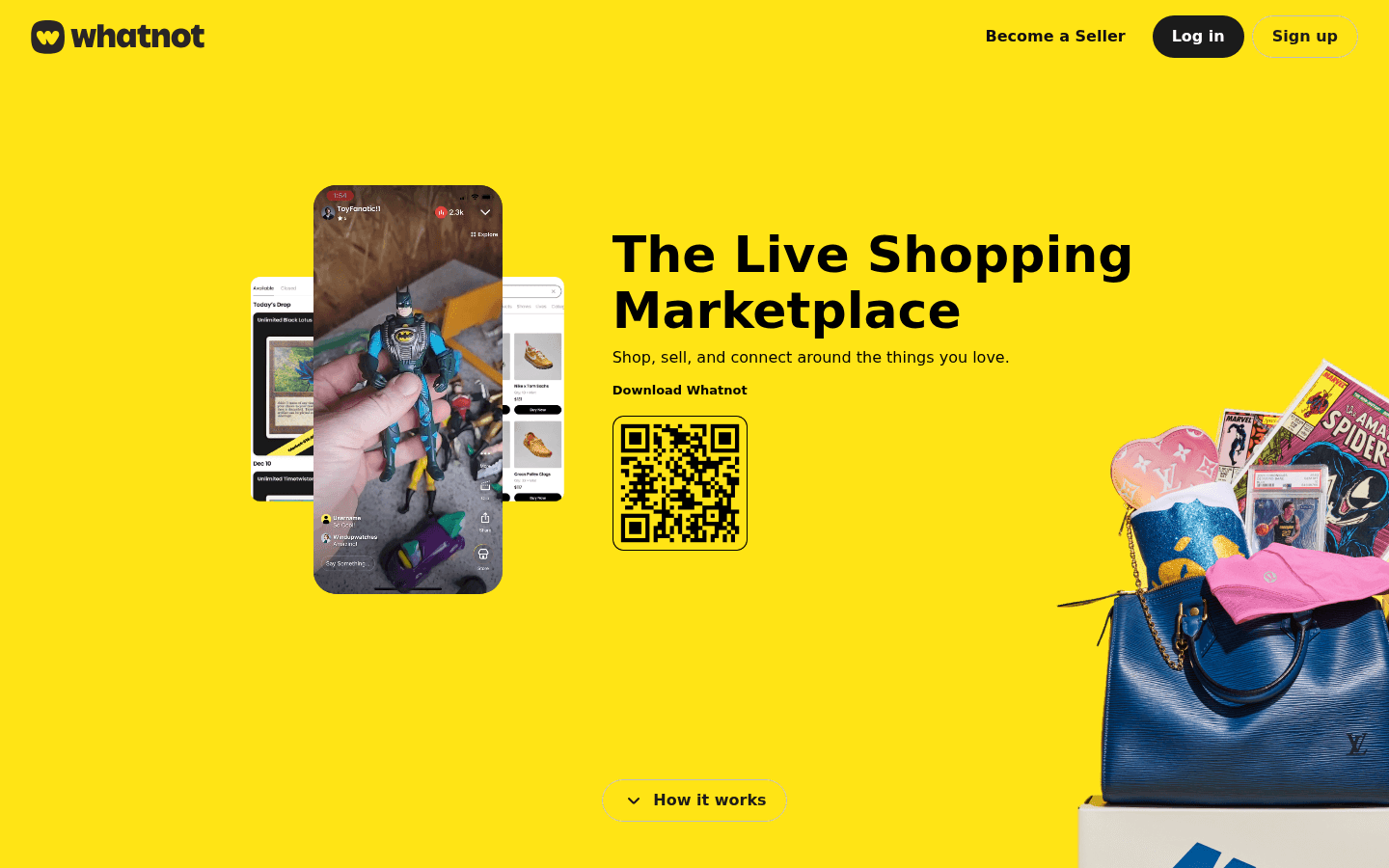
Before choosing where to sell, it helps to see the difference between a live-selling marketplace, a broad search marketplace, a LEGO-native catalog, and a social or local channel. These screenshots are visual references only. Platform interfaces, fees, and rules can change.