


The Whatnot algorithm decides which LEGO shows get surfaced to buyers who are scrolling instead of already following you, and it leans on three things more than anything else: how consistently you go live, how much your chat is actually talking during the show, and how clean your setup looks on camera. I've run enough LEGO shows on Whatnot to say the algorithm rewards habits more than hacks. There's no secret keyword or setting that bumps you to the top of the LEGO category. It behaves more like a loyalty system for sellers who show up on schedule and keep people engaged once they arrive.
In my experience, the sellers who grow fastest on Whatnot treat the algorithm like a feedback loop instead of a lottery ticket. I started with about 10 people in my very first LEGO show and still did over $500 in sales, which taught me early that getting discovered matters less than most new sellers think, and retention matters more. The algorithm is watching whether the people who do find your show actually stick around, comment, and buy, and it adjusts your visibility mid-stream based on that behavior.
Key takeaways:
- Consistent show scheduling is the single biggest lever for discovery on Whatnot.
- Real-time engagement (comments, questions, offers) signals the algorithm to keep promoting your show while you're live.
- A clean buyer's view and decent lighting reduce the early drop-off that kills algorithmic momentum.
- Boosted promotion can help at the start of a show, but it won't rescue a weak setup or an inconsistent schedule.
- Growth is realistic but gradual. Thousands of followers and real income are achievable within months, not overnight.
What Is the Whatnot Algorithm and How Does It Actually Work?
The Whatnot algorithm is a ranking system that decides which live shows appear in the LEGO category feed and in personalized recommendations for each buyer. It weighs show frequency, real-time engagement, watch time, and buyer actions like comments, follows, and purchases, then promotes shows that are actively holding attention over shows that are simply live with nobody watching.
Whatnot doesn't publish the exact weighting, so a lot of what sellers know comes from pattern matching across hundreds of shows, not from an official rulebook. From what I've seen running LEGO shows myself and talking to other sellers in the space, the algorithm behaves less like a search engine and more like a recommendation engine for a video platform. It's trying to match a buyer who already watches LEGO content with a show that's currently delivering a good experience, right now, not a show that was good last week.
That distinction matters because it means your algorithm standing resets every time you go live. A great show on Tuesday doesn't guarantee a boost on Thursday. Consistency is what compounds, not a single viral moment.
Why Does a Consistent Show Schedule Matter So Much?
A consistent schedule matters because Whatnot's algorithm, like most live platforms, favors sellers it can reliably recommend to buyers at a predictable time. Showing up at the same days and hours each week builds a signal that your account is active and dependable, which the platform rewards with more consistent placement in category feeds over time.
I recommend picking two or three time slots a week and sticking to them for at least a month before judging whether they work. In my view, new sellers give up on a schedule too early, right around the point where the algorithm is starting to learn their patterns. If you're sorting through a bulk lot to restock for your next show, running it through brick'em's scanning flow before you go live keeps your schedule from slipping just because pricing and identification took too long.
A seller I know in the Star Wars and Marvel space told me she doubled her average viewers in about six weeks simply by never missing her Sunday and Wednesday night slots, even on weeks when inventory was thin. She filled thin weeks with restocks and bundle deals instead of skipping the show entirely.
How Much Does Your Buyer's View and Setup Affect Discovery?
Your buyer's view affects discovery because Whatnot tracks how long people stay once they click into your show, and a cluttered or poorly lit setup causes fast drop-off that the algorithm reads as a weak show. A clean background, good lighting, and a steady camera angle give new viewers a reason to stay past the first ten seconds, which is often the window that decides whether they stick around.
I noticed a real difference in my own shows once I stopped using a handheld phone propped against a water bottle and set up an actual stand with consistent lighting. It sounds minor, but buyer's view is one of the few things fully in your control before the algorithm even factors in engagement. If you're pulling minifigures or sets for a show, checking them against brick'em's minifigure database ahead of time also means you're not fumbling for identification on camera, which keeps the view clean and the pacing tight.
Does Boosting Your Show With Paid Promotion Actually Work?
Boosted promotion can work, but it's a multiplier, not a fix. It puts your show in front of more people near the start, which gives the algorithm more engagement data to work with faster, but it won't save a show that's already struggling with pacing, setup, or inventory.
I personally spend around $20 per show on Whatnot's boosted promotion near the start, when the show is fresh and I want that early wave of viewers to see something worth sticking around for. In my experience, that early viewer bump is where boosting earns its money. Whatnot has also run no-seller-fee days from time to time, which is worth watching for if you're trying to stretch a promotion budget further on a bigger inventory push. Fee structures and promotion pricing can change, so check current terms on Whatnot directly before you budget around them.
Heads up: This is not financial or legal advice. We're sharing what we've learned from the LEGO reselling community.
What Keeps Viewers Watching Once They Tune In?
Viewers keep watching when they feel like part of the show instead of an audience for it. Asking direct, specific questions, like which variant someone prefers or what they're hunting for in their collection, gets people typing, and a chat that's actively typing is one of the strongest signals the algorithm uses to decide your show deserves more exposure.
I learned this the slow way. My early shows were basically narrated auctions, and viewers would watch quietly and leave. Once I started asking the chat questions and reacting to what they said by name, average watch time went up noticeably, and so did the number of new viewers the algorithm sent my way mid-show. There's a real psychological hump around talking to a camera and a scrolling chat at the same time, and most sellers who quit Whatnot early quit during that hump, not because the algorithm was against them.
Which LEGO Categories Perform Best in the Whatnot Algorithm?
LEGO categories perform differently on Whatnot because viewer demand drives engagement, and engagement drives algorithmic reach. Themes with broad, built-in fan bases tend to pull more comments and faster sales, which the algorithm reads as a sign to keep promoting the show, while niche or low-demand themes often struggle to hold a room even with a decent setup.
| Theme | Liquidity on Whatnot | Why |
|---|---|---|
| Star Wars | High | Broad, familiar fan base; strong for beginners |
| Marvel | High | Huge audience, often underrated relative to demand |
| Ninjago | High | Active show keeps character demand ongoing |
| Castle and Pirates | Moderate, collector-driven | Nostalgia buyers who pay up, but a smaller room |
| Collectible Minifigures (CMF) | High | Mystery factor drives bidding energy in the room |
| City | Low | Figures rarely sell for more than a couple dollars |
These are my own observations from selling across these themes, not official Whatnot data, so treat them as a starting point rather than a guarantee for any single show.
What's a Simple Checklist to Work With the Algorithm Instead of Against It?
A pre-show checklist works because most algorithm problems are really preparation problems. Going live without a plan for pacing, pricing, or inventory almost always shows up as low engagement, which the algorithm then reads as a weak show, regardless of how good your actual LEGO inventory is.
- Lock in a recurring schedule and announce it ahead of time, even just once on your profile.
- Price your lots in advance so you're not stalling on camera. Running your box through brick'em's haul calculator beforehand keeps pricing decisions off the clock during the show.
- Test your lighting and camera angle for a clean buyer's view before you go live, not after viewers start arriving.
- Prep two or three chat questions tied to the inventory you're showing, so you're not improvising engagement from scratch.
- Decide ahead of time whether you're boosting the show, and budget around $20 if you are.
- Have your minifigure identification and condition notes ready so you're not pausing mid-show to figure out what you're holding.
How Long Does It Realistically Take to Grow on Whatnot?
Growth on Whatnot is usually gradual, not immediate. Most sellers I've talked to spend the first several shows building a small, loyal audience before the algorithm starts sending consistent new viewers their way, and that early stretch is where most people give up.
I reached over 3,000 followers and more than $30,000 in sales in about 5 months on Whatnot, and I did it without ever showing my face on camera. That timeline wasn't instant, and I lost money on individual items during some of those early shows while I was still building trust with buyers. That's a normal part of the learning curve, not a sign that something's broken. Whatnot also tends to work especially well for brand-driven niches with built-in loyal audiences, LEGO included, which is part of why the long-term upside can be bigger here than on more generic marketplaces.
If you're trying to track whether your collection or inventory is actually appreciating while you build toward that kind of growth, brick'em's collection value calculator is a quicker gut check than pricing everything out by hand every week. And if you haven't tried scanning and sorting a haul yet, you can sign up for brick'em free and see how much faster prep gets before your next show.
Frequently Asked Questions
Does going live more often always improve my Whatnot algorithm ranking?
Not automatically. More frequent shows help, but only if engagement holds up. Going live constantly with low energy or a weak buyer's view can actually hurt you, since the algorithm is reading viewer behavior, not just how often you show up. Consistency paired with quality beats raw frequency every time I've tested it.
Is boosted promotion worth it for a brand new Whatnot seller?
It can be, but only after your setup and pacing are solid. I'd rather a new seller spend a few shows dialing in lighting, pricing, and chat engagement before spending on promotion. Around $20 near the start of a show is a reasonable test budget once the basics are in place, not before.
Why did my viewer count drop even though I didn't change anything?
Whatnot's algorithm resets its read on your show each time you go live, so a slow start, a quiet chat, or a scheduling gap can lower short-term visibility even if your overall account is healthy. In my experience this evens out over a few consistent shows rather than one bad night.
Do I need to show my face on camera to grow on Whatnot?
No. I grew past 3,000 followers and $30,000 in sales without showing my face, by focusing on a clean buyer's view, consistent scheduling, and active chat engagement instead. Showing your face can help some sellers build a personal brand faster, but it isn't a requirement the algorithm checks for.
Which LEGO categories should a beginner start with on Whatnot?
Star Wars, Marvel, and Ninjago tend to be the friendliest starting categories because they carry broad, built-in fan demand that keeps chat active. City minifigures and niche sets are harder for a beginner to build early momentum with, since the room tends to stay quiet even with a decent setup.
What Do These LEGO Selling Platforms Look Like?
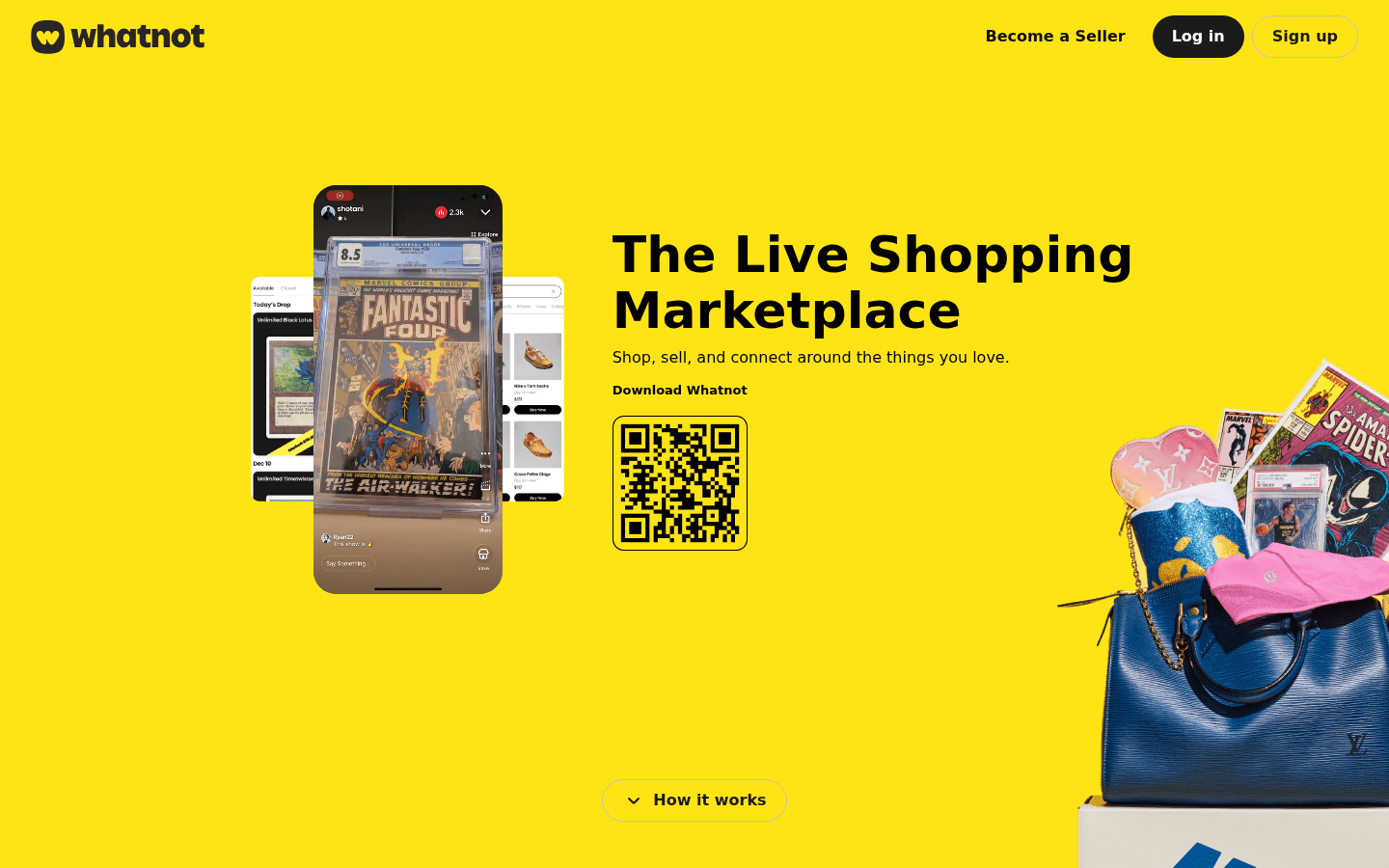
Before choosing where to sell, it helps to see the difference between a live-selling marketplace, a broad search marketplace, a LEGO-native catalog, and a social or local channel. These screenshots are visual references only. Platform interfaces, fees, and rules can change.
.png)

