


Live selling LEGO means running a real-time video show, usually on Whatnot, where you show off minifigures and sets and buyers bid or buy on the spot. You don't need a studio or a big following to start. In my experience, you need a decent phone camera, priced inventory, a consistent schedule, and the willingness to talk to a small room before it becomes a big one.
I've watched a lot of new LEGO resellers freeze up at this step because live selling feels like performing. It isn't, not really. It's closer to running a small shop where the customers happen to be watching you sort through a bin of minifigures in real time. When I sell live, the shows that do best aren't the polished ones, they're the ones where I'm just narrating what I'm pulling out and asking people what they're hunting for.
- Whatnot is the easiest place for a beginner to start live selling LEGO because of its live-commerce audience and no-seller-fee promotions.
- Your first show will probably be small. Mine was about 10 viewers and still did over $500 in sales.
- Pricing, inventory prep, and a consistent schedule matter more than production value.
- Building an audience takes months, not days, but the upside for LEGO sellers who stick with it is real.
What Is Live Selling LEGO, and Why Are Resellers Doing It?
Live selling LEGO is the practice of hosting a live video show, most commonly on Whatnot, where you pull minifigures, sets, and lots on camera and sell them to whoever's watching in real time. It's grown fast because LEGO has a built-in collector base that already knows what it's hunting for, which makes for an engaged live audience.
From what I've seen, LEGO fits live selling especially well because it's a brand-driven category. People recognize a Luke Skywalker minifigure or a retired Ninjago set instantly, and that recognition creates the fast, emotional buying decisions that live shows depend on. Categories like Pokemon, sports cards, and LEGO tend to outperform generic secondhand goods on live platforms for exactly this reason.
I'm not going to pretend it's effortless. Live selling rewards consistency and personality more than it rewards having the rarest inventory. A seller I know built a loyal Whatnot following mostly by being funny and asking the chat good questions, not by having the deepest LEGO collection in the room.
Which Platform Should You Use for Live Selling LEGO?
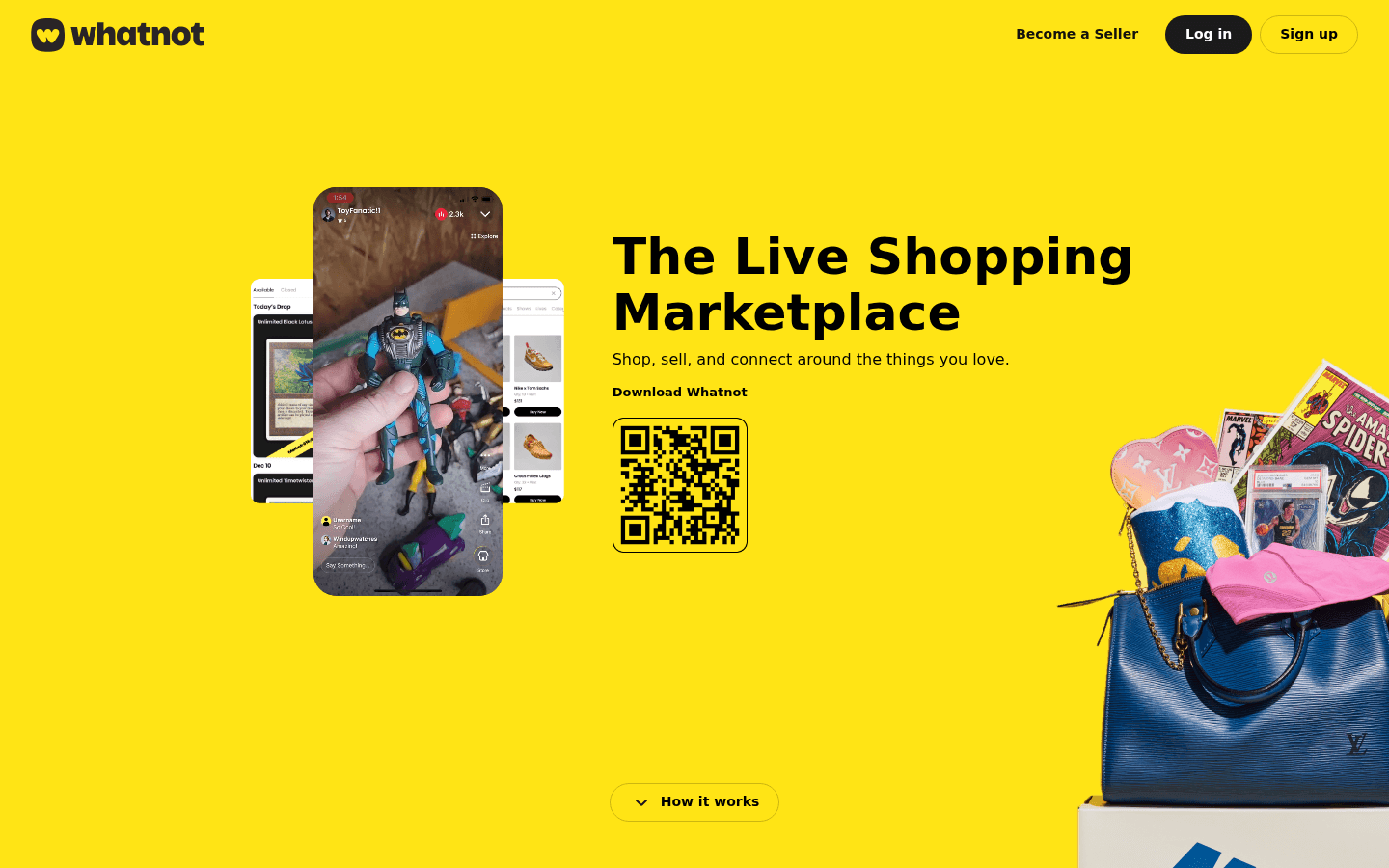
Whatnot is the best starting point for most new LEGO live sellers because it's built specifically for live commerce and already has an active LEGO buying audience. eBay and BrickLink matter for LEGO resale too, but they're not built around live video the way Whatnot is, so they play a different role in your overall selling mix.
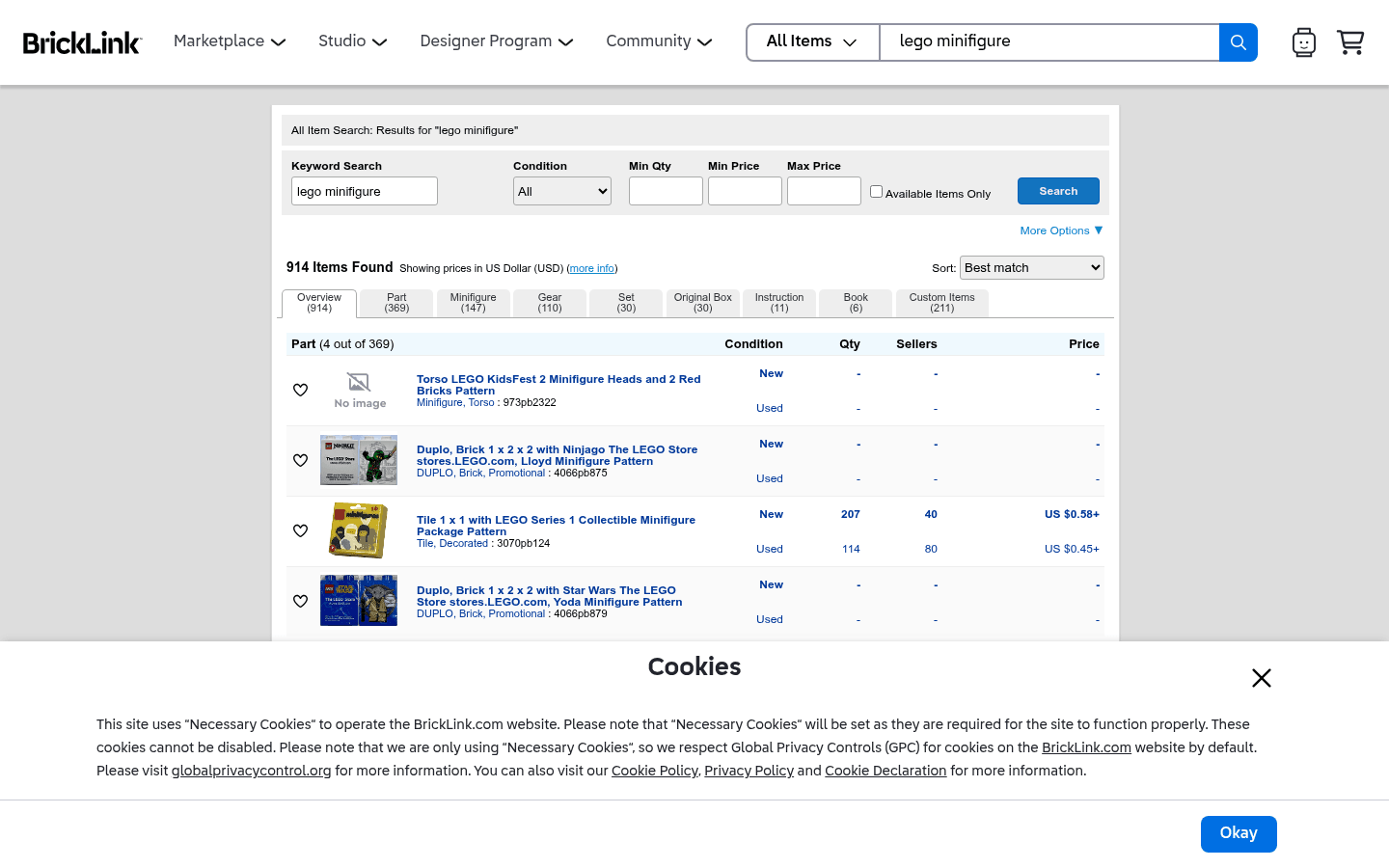
In my experience, it helps to think of these platforms as different jobs rather than direct competitors. Whatnot is where you build an audience and sell live. eBay is where you move inventory fast to the broadest possible buyer pool, even if it means competing on price. BrickLink is where serious collectors and part-out sellers go, and it's the closest thing LEGO resale has to a real pricing benchmark, which is why some sellers in the space call it the Wall Street of LEGO. Facebook Marketplace and Mercari tend to work better for local pickup deals and quick flips than for scheduled live shows.
| Platform | Best for live selling LEGO | What it's actually good at |
|---|---|---|
| Whatnot | Yes, built for it | Live audience, community, repeat buyers |
| eBay | Not live, but great for volume | Massive reach, fast sell-through on fair prices |
| BrickLink | Not live | Accurate pricing, parts, serious collectors |
| Facebook Marketplace | Not live | Local sourcing and no-fee local sales |
| Mercari | Not live | Casual local and shipped sales |
If your goal is specifically to learn how to start live selling LEGO, Whatnot is where you should put your first real effort. You can still list overflow inventory on eBay or BrickLink between shows.
What Do You Need Before Your First Live Selling LEGO Show?
Before your first live selling LEGO show, you need priced inventory, a stable camera setup, decent lighting, and a rough plan for what you'll show and in what order. None of this needs to be expensive. I started with a phone propped against a stack of books and a desk lamp pointed at my sorting tray.
I found that the sellers who struggle most in their first few shows didn't prep inventory ahead of time. They spend half the stream digging through boxes trying to figure out what something is worth, and viewers drop off fast when the pace stalls. Sorting and pricing everything before you go live keeps the show moving, which is what actually keeps people watching and buying.
- Identify and price your minifigures and sets ahead of time, not on camera. brick'em's LEGO minifigure database is useful here if you're not sure what you're holding.
- Run a rough value check on the whole lot with a tool like the LEGO collection value calculator so you know your floor before you start taking offers.
- Set up your camera at eye level with a plain background so buyers can actually see condition and detail.
- Add a light source in front of you, not behind you, or your inventory will look washed out on camera.
- Plan a loose running order: openers, mid-show value items, and a few "save for last" pieces to keep people around.
- Test your audio. Buyers ask questions in the chat, and they'll leave if they don't think you can hear them.
How Should You Price LEGO Minifigures and Sets for a Live Show?
Price live selling LEGO inventory a little below your BrickLink or recent sold-price research, not above it, especially early on. Live audiences respond to the feeling of a deal, and underpricing slightly to get momentum in a show usually earns you more in repeat buyers than it costs you in margin on any single item.
In my view, this is where new sellers get pricing backwards. They anchor to the highest sold price they can find and wonder why nobody's bidding. eBay buyers love a steal, and Whatnot buyers behave similarly, they're watching live because they expect to catch something good. I personally hold my rarest one or two pieces for later in the show once the room is warmed up and bidding a little competitively.
Always verify current sold prices before a show rather than relying on memory or an old listing. Prices move, especially on minifigures tied to a currently popular theme or a set that just got retired.
How Do You Get People to Show Up and Buy During a Live Show?
You get people to show up and buy during a live LEGO show by being consistent with your schedule and actively engaging the chat instead of just narrating what you're holding. A regular time slot matters more than most new sellers expect, because repeat buyers plan around it.
I noticed a real shift in my own shows once I started asking the chat direct questions instead of just describing pieces. "Anyone collecting Star Wars right now?" gets a completely different response than silently holding up a minifigure. I recommend treating the first few minutes of every show like a conversation, not a product demo.
Small paid boosts can help too. I've used roughly $20 in Whatnot promoted placement near the start of a show to get more eyes in the room early, which then feeds the algorithm because more people are actively watching and buying. It's not required, but it can shorten the slow early growth period.
Consistency compounds. I reached around 3,000 followers and roughly $30,000 in sales within about five months of starting, without ever showing my face on camera. That's not a promise of what anyone else will earn, results vary a lot by category, schedule, and effort, but it's real evidence that camera-shy sellers can still build a following doing this.
Is Live Selling LEGO Actually Profitable?
Live selling LEGO can be profitable, but expect to break even or lose a little money on individual items during your first several shows while you're still building an audience. The upside tends to show up later, once you have repeat buyers who trust you and show up specifically for your streams.
I learned this the expensive way early on. My first show only had about 10 people watching, and I still did over $500 in sales that night, which felt like a win, but I also priced a few pieces too low just to get comfortable on camera. That's normal. Treat your first month of shows as audience-building, not pure profit.
Heads up: This is not financial or legal advice. We're sharing what we've learned from the LEGO reselling community.
A lot of sellers I know track their per-show numbers closely so they know which pricing habits and item mixes are actually working. If you want a quick way to sanity-check what a bin or lot is worth before you build a show around it, brick'em's haul calculator is built for exactly that.
What Mistakes Do New LEGO Live Sellers Make?
The most common mistake new LEGO live sellers make is showing up unprepared with unpriced, unsorted inventory. It kills the pace of the show and gives buyers time to lose interest and leave. The second most common mistake is going silent for long stretches instead of talking to the chat.
Other patterns I've noticed:
- Overpricing rare pieces before building any trust with an audience.
- Skipping a consistent schedule, which makes it hard for buyers to build a habit around your shows.
- Not disclosing condition issues on used or incomplete sets, which damages trust fast in a small community.
- Ignoring incomplete sets or dirty, damaged inventory instead of cleaning it up or sourcing missing parts to sell as complete pieces.
- Quitting after a slow first few shows instead of treating early shows as the learning curve they are.
On that last point about incomplete inventory, I think it's genuinely underrated. A lot of sellers toss or ignore sets that are missing a few pieces instead of tracking down the parts on BrickLink and completing them for a better sale.
How Do You Prep Inventory Fast Before Every Show?
The fastest way to prep inventory before a live selling LEGO show is to identify and price everything in one batch session instead of piece by piece as you go. Sorting your minifigures, checking values, and organizing a running order ahead of time is what actually makes a show feel smooth on camera.
This is the part of the workflow I personally spend the most time trying to speed up, because prep time is the real bottleneck for most live sellers, not the selling itself. I use bulk scanning to identify and price a bin of minifigures in one pass instead of looking each one up individually, then export that list into a running order before I go live. If you're doing this manually right now, a bulk workflow through brick'em is worth trying once, just to see the time difference on your next haul.
Whatever tools you use, the goal is the same: walk into your show already knowing what you're holding, what it's worth, and what order you're showing it in.
Frequently Asked Questions
Do I need a big following to start live selling LEGO?
No. My first Whatnot show had roughly 10 viewers and still did over $500 in sales. Most sellers start small and grow their audience show by show through consistency and chat engagement, not by launching with an existing following.
What's the best platform for live selling LEGO?
Whatnot is the best starting point because it's built around live commerce and already has an active LEGO buying audience. eBay and BrickLink are useful for selling overflow inventory, but neither is designed around live video shows the way Whatnot is.
How long does it take to build an audience live selling LEGO?
Expect months, not days. I reached about 3,000 followers and roughly $30,000 in sales over about five months of consistent shows. Growth speed varies a lot based on schedule, engagement, and how liquid your inventory category is.
Do I need to show my face to live sell LEGO?
No. I built my following without ever showing my face on camera, focusing the show on the inventory and the chat conversation instead. It's a common approach for camera-shy sellers in the LEGO reselling community.
Should I price items at market value for a live show?
Pricing slightly below recent sold prices tends to work better for live shows, especially early on, since buyers are watching specifically because they expect a deal. Always verify current sold prices first since values shift with theme popularity and retirements.
What Do These LEGO Selling Platforms Look Like?
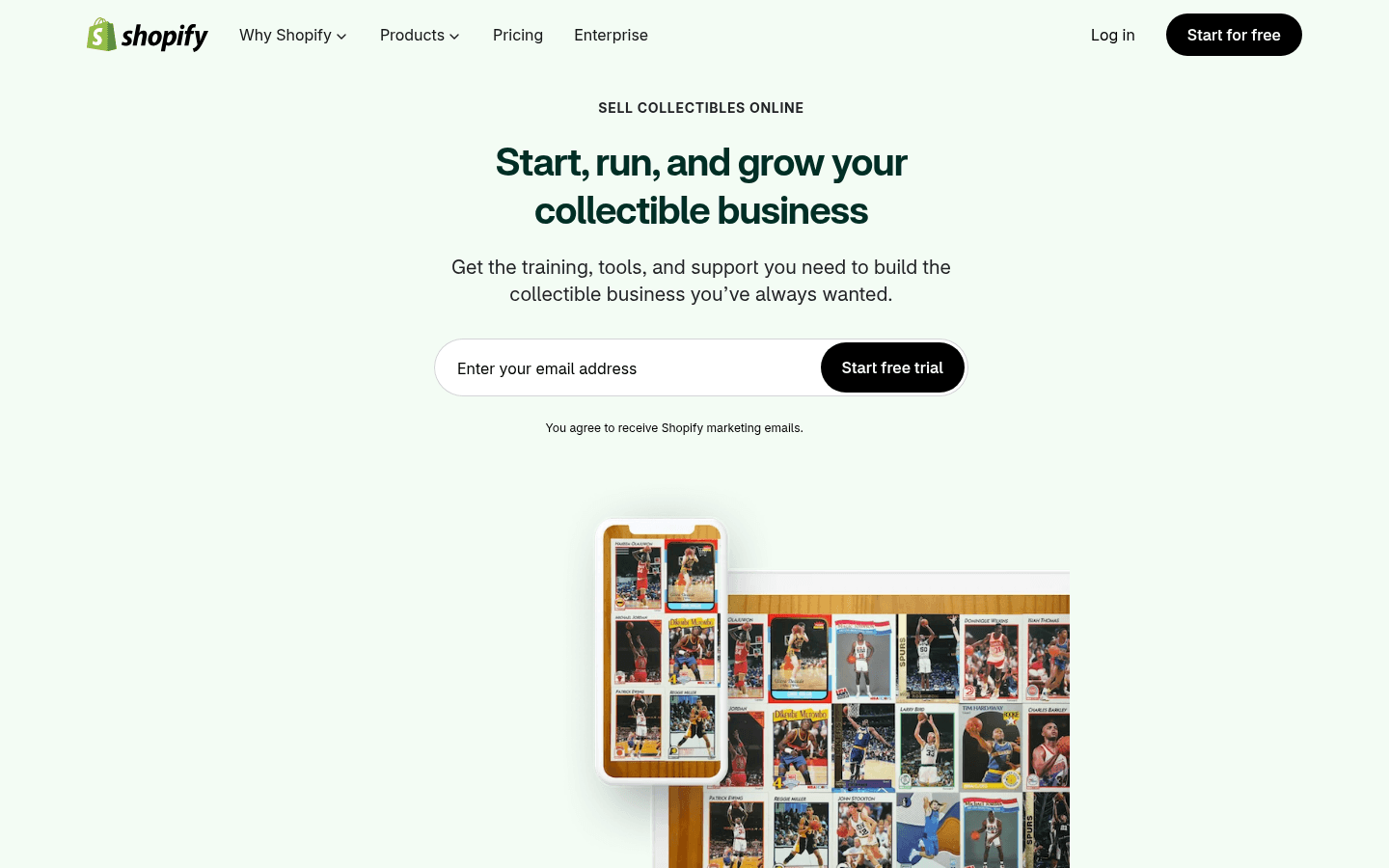
Before choosing where to sell, it helps to see the difference between a live-selling marketplace, a broad search marketplace, a LEGO-native catalog, and a social or local channel. These screenshots are visual references only. Platform interfaces, fees, and rules can change.
.png)

