


Selling LEGO wholesale means selling a large batch of sets, minifigures, or parts to another reseller in a single transaction, usually at 30 to 50 percent of what those items would fetch if you sold them one at a time. You're trading margin for speed. Instead of photographing, listing, and shipping 500 individual minifigures, you hand the whole lot to a buyer who already has the audience, the store, or the show to move it themselves.
I've done both sides of this. I've sold individual pieces on BrickLink for years, and I've also seen sellers in the LEGO reseller community buy out entire stores and inventories from smaller sellers who wanted out fast or needed cash. Wholesale isn't the highest margin play in LEGO reselling, but it's often the fastest one, and for some sellers that trade is worth it.
- Wholesale means selling in bulk, at a discount, to someone who plans to resell the items themselves.
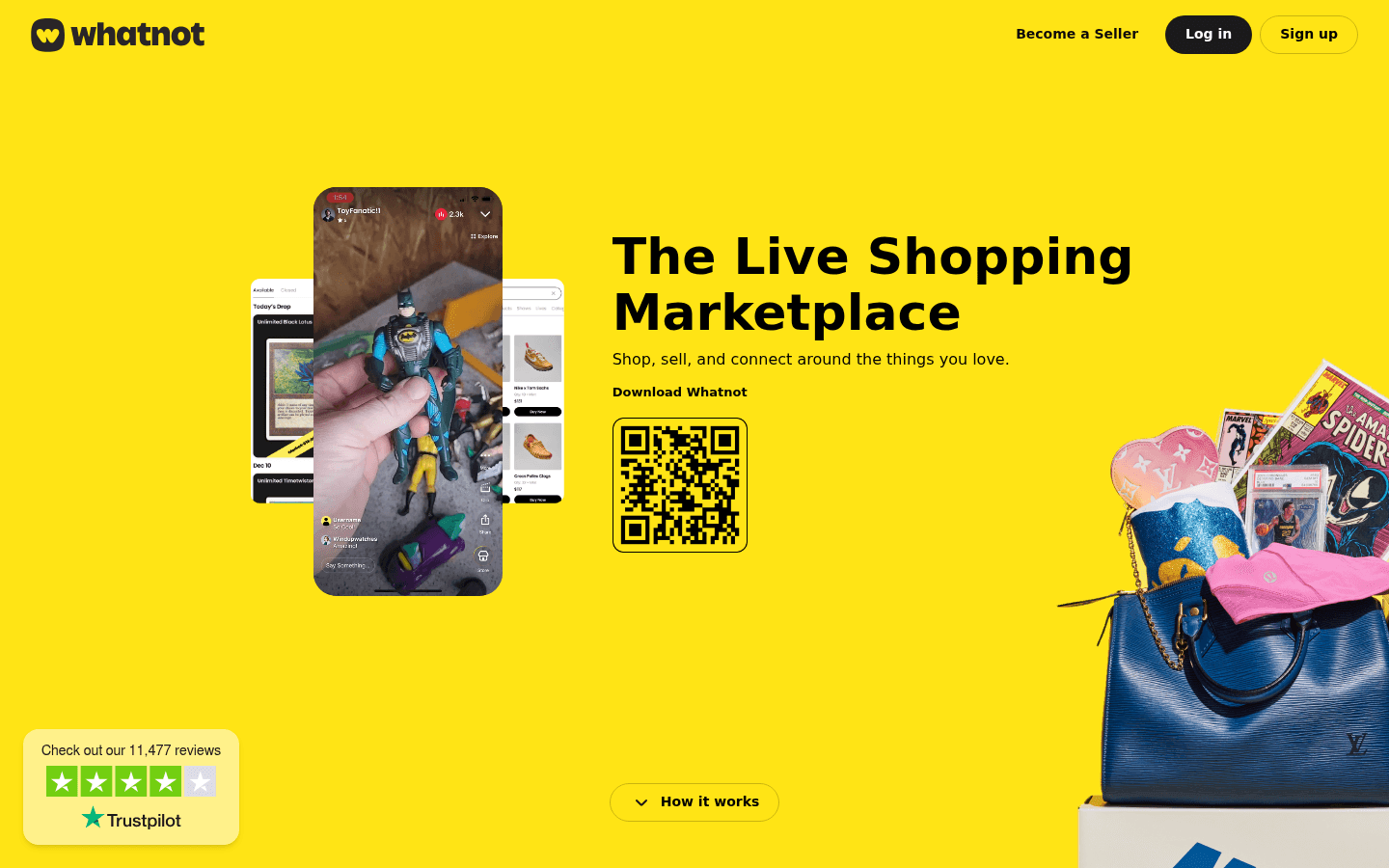
- Buyers are usually BrickLink store owners doing roll ups, bulk lot flippers, or bigger sellers restocking for Whatnot shows.
- Expect offers around 30 to 50 percent of market value for a full store or lot bought in one shot.
- How you sort, grade, and document your lot before you offer it matters more than piece count alone.
- Selling individually almost always nets more money over time. Wholesale gets you paid faster and clears space now.
What Does It Mean to Sell LEGO Wholesale?
Selling LEGO wholesale means offloading a large batch of sets, minifigures, or parts to one buyer, usually another reseller, instead of listing each item individually to end collectors. The buyer pays less per piece than retail or market value because they're taking on the work of sorting, listing, and reselling everything themselves.
In my experience this shows up in a few different forms. Sometimes it's a mixed bulk lot, the kind you'd normally see flipped from a garage sale find on Facebook Marketplace. Sometimes it's a full BrickLink store sale, where a seller who's ready to exit hands over their entire inventory, listings and all, to a bigger operation. I've seen larger sellers specifically look for this kind of deal because it lets them add millions of parts and figures to their store in one transaction instead of sourcing piece by piece.
Why Sell Wholesale Instead of Piece by Piece?
You sell wholesale when speed and cash flow matter more than squeezing out maximum profit. A lot that might take you three months to sell piece by piece on BrickLink or eBay can be gone in a single transaction, which matters if you need the space, the capital, or you're closing out part of your business.
The tradeoff is real. I've sold over $100,000 worth of LEGO on eBay one listing at a time, and that volume only happened because I sold individually and let each item find its real market price. Wholesale buyers know that, so they price their offers accordingly. If you're not in a rush, selling piece by piece will almost always put more money in your pocket. If you are in a rush, or you're sitting on more inventory than you can realistically list, wholesale is the release valve.
Who Actually Buys LEGO Wholesale?
Wholesale LEGO buyers are usually other resellers looking to grow inventory fast: BrickLink store owners doing roll ups, bulk lot flippers who resell on eBay or Facebook Marketplace, and bigger Whatnot sellers restocking between shows. Some buyers specialize in nothing but buying out smaller operations.
I've noticed BrickLink store acquisitions are a genuinely under discussed part of this market. Larger sellers will pay somewhere around 30 to 50 percent of market value to buy an entire store's inventory outright, listings and reputation included. That's how some of the biggest BrickLink stores end up with catalogs in the millions of parts and figures. If you're the seller in that deal, you're trading margin for a clean, fast exit.
How Do You Price a Wholesale LEGO Lot?
Heads up: This is not financial or legal advice. We're sharing what we've learned from the LEGO reselling community.
Price a wholesale LEGO lot by estimating what the full lot would sell for at individual market prices, then discounting that number by 50 to 70 percent depending on how sorted, clean, and complete the inventory is. The less work the buyer has to do, the closer to full value you can ask.
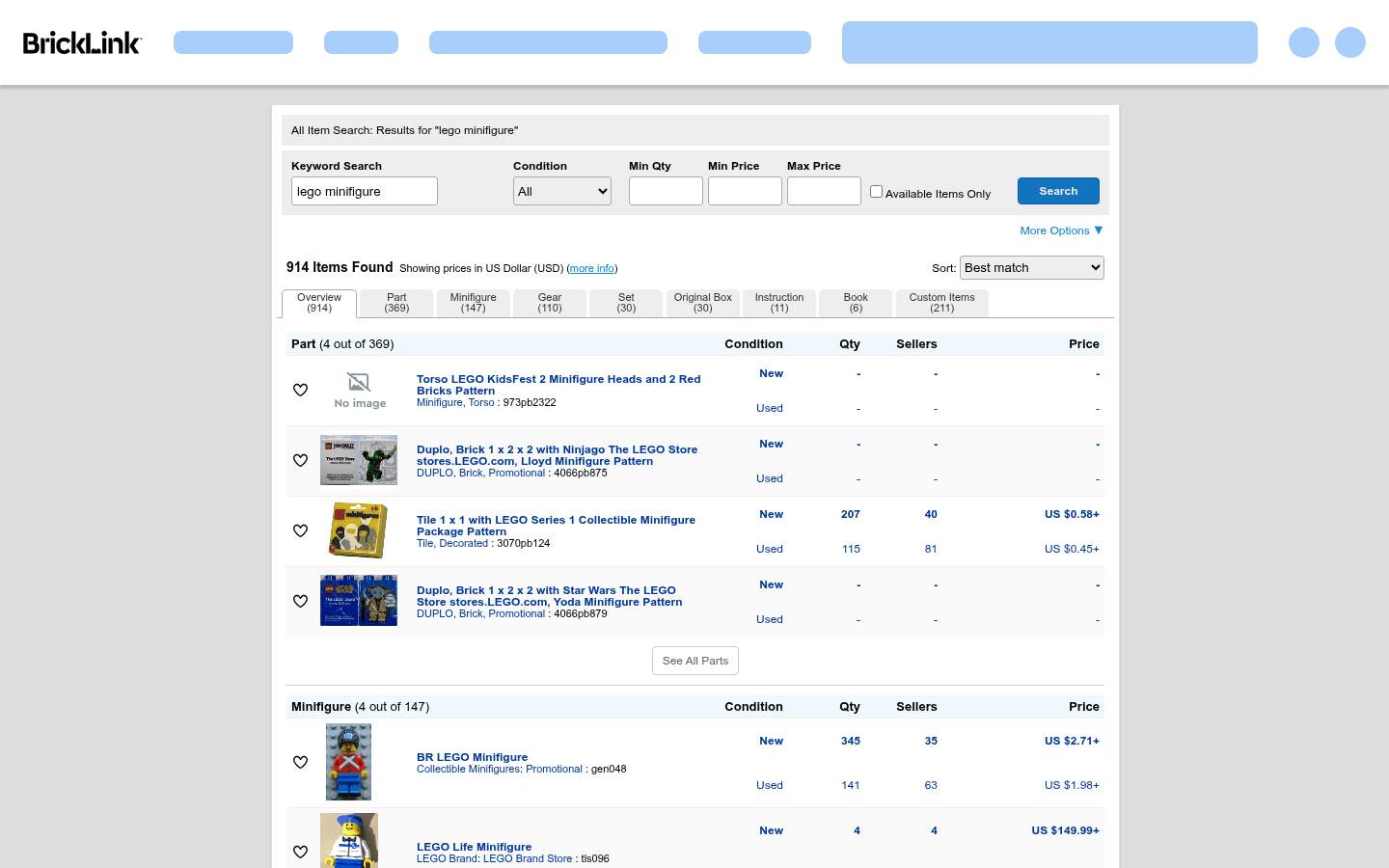
BrickLink is the market standard for LEGO pricing information. A seller I know calls it the Wall Street of LEGO, and that's about right, it's where most resellers check comps before making an offer on a lot. Before you set a number, sort your inventory and run a rough estimate of what you're holding. If you want a fast starting point, our LEGO collection value calculator will give you a ballpark on a mixed lot before you start negotiating with a buyer.
Where Do You Find Buyers for Bulk LEGO?
You find wholesale LEGO buyers on the same platforms where resellers already gather: BrickLink forums and store networks, eBay bulk lot listings, Facebook Marketplace and reseller groups, Instagram, and in person at LEGO conventions like Brickworld and BrickCon.
eBay is a gold mine for both sourcing and selling bulk lots since it puts your listing in front of millions of buyers, though eBay's standard final value fee runs around 13.25 percent before you even add promoted listings, and I've seen promoted placement push the effective take rate close to 25 percent of the sale if you need the extra visibility. BrickLink is cheaper to sell on, with fees closer to 3 percent plus payment processing, which is part of why it's the preferred spot for offloading low dollar loose parts. Facebook Marketplace works well for local pickups and lets you skip platform fees entirely, though I always recommend meeting somewhere safe and public, like a police station parking lot, for any high value handoff. Instagram is where I've seen relationships matter most. When I started building a following there, I found that buyers who already trust you will move fast, sometimes within minutes of a story post, because there's no marketplace friction in the way.
What Should You Include When You List a Wholesale Lot?
A strong wholesale listing includes an accurate piece count, condition notes, a breakdown by category such as minifigures, sets, and loose parts, and photos or video of the actual inventory, not stock images. Buyers are pricing blind without this, so vague listings get lowball offers by default.
Here's a quick checklist I use before offering a lot wholesale:
| Step | What to Do |
|---|---|
| Sort | Separate minifigures, sets, and loose parts into their own groups |
| Identify | Scan or look up minifigures so you know what's actually in the lot |
| Grade | Note condition: complete, missing pieces, yellowed, or damaged |
| Estimate | Run a rough market value on the full lot before discounting |
| Document | Take clear photos or video of the real inventory, not stand ins |
| Set terms | Decide on price, pickup or shipping, and payment method upfront |
When I sort a big lot, identifying the minifigures accurately is what takes the most time, and it's also what determines the real value, since a handful of rare figures can be worth more than the rest of the lot combined. Our LEGO minifigure database, which covers more than 18,686 minifigures, is what I use to run that check fast before I make an offer, or take one, so both sides stay honest about what's actually being sold.
How Do You Avoid Getting Lowballed on a Big Lot?
Avoid getting lowballed by knowing your lot's real value before you talk to a buyer, getting more than one offer, and never handing over inventory sight unseen without a documented count. Buyers count on sellers not knowing what they have, so the sorting step isn't optional.
In my view, the biggest mistake sellers make is accepting the first offer because they want the deal over with. A seller I know always gets at least two offers on a store sale before deciding, even when the first one seems fair, just to see the range. It usually pays for the extra day it takes.
Is Wholesale Selling Worth It Compared to Selling Individually?
Wholesale selling is worth it when you value speed, cash flow, and freed up space over maximum profit. Selling individually is worth it when you have time to list, photograph, and ship each item, since that route almost always earns more per piece.
| Selling Wholesale | Selling Individually | |
|---|---|---|
| Speed | Fast, often one transaction | Slow, item by item over weeks or months |
| Typical return | Roughly 30 to 50 percent of market value | Closer to full market value, minus platform fees |
| Work required | Low, one buyer handles the rest | High, every item needs listing and shipping |
| Best for | Clearing space, exiting fast, big lots | Maximizing profit on rare or high value pieces |
My honest take: I run a hybrid approach. I sell my rarest and highest value minifigures individually because that's where the real profit lives, and I move slower bulk inventory wholesale so it doesn't sit around taking up space. If you're just getting started and want to build capital, wholesale can get a business off the ground even without a following. Our haul calculator can help you see what a mixed haul is actually worth before you decide whether to break it up or sell it whole. If you want to track everything as you go, it's worth creating a free account and getting your inventory organized from the start.
Frequently Asked Questions
Is selling LEGO wholesale profitable?
Selling LEGO wholesale can be profitable, but the margin is lower than selling individually since you're typically pricing at 30 to 50 percent of market value. It works best as a volume play, moving large amounts of inventory fast rather than maximizing profit on each piece.
How much should I charge for a bulk LEGO lot?
There's no fixed number, but most wholesale bulk lots trade somewhere between 30 and 50 percent of what the sorted inventory would sell for individually. Condition, completeness, and how sorted the lot is all move that percentage up or down.
Where do LEGO resellers sell wholesale lots?
Resellers sell wholesale lots through BrickLink store networks, eBay bulk listings, Facebook Marketplace groups, Instagram connections, and in person at conventions like Brickworld and BrickCon. BrickLink is generally considered the most active market for full store buyouts specifically.
Do I need to sort my LEGO before selling it wholesale?
Yes. Sorting and identifying what's in your lot, especially minifigures, is what lets you price it accurately and avoid lowball offers. Buyers pay less for unsorted inventory because they have to do that work themselves after the purchase.
Can I sell LEGO wholesale without a BrickLink store?
Yes, you don't need a BrickLink store to sell wholesale. Bulk lots move regularly through Facebook Marketplace, local reseller networks, and Instagram connections, though having a documented BrickLink price history on your items can help you justify your asking price to a buyer.
What Do These LEGO Selling Platforms Look Like?
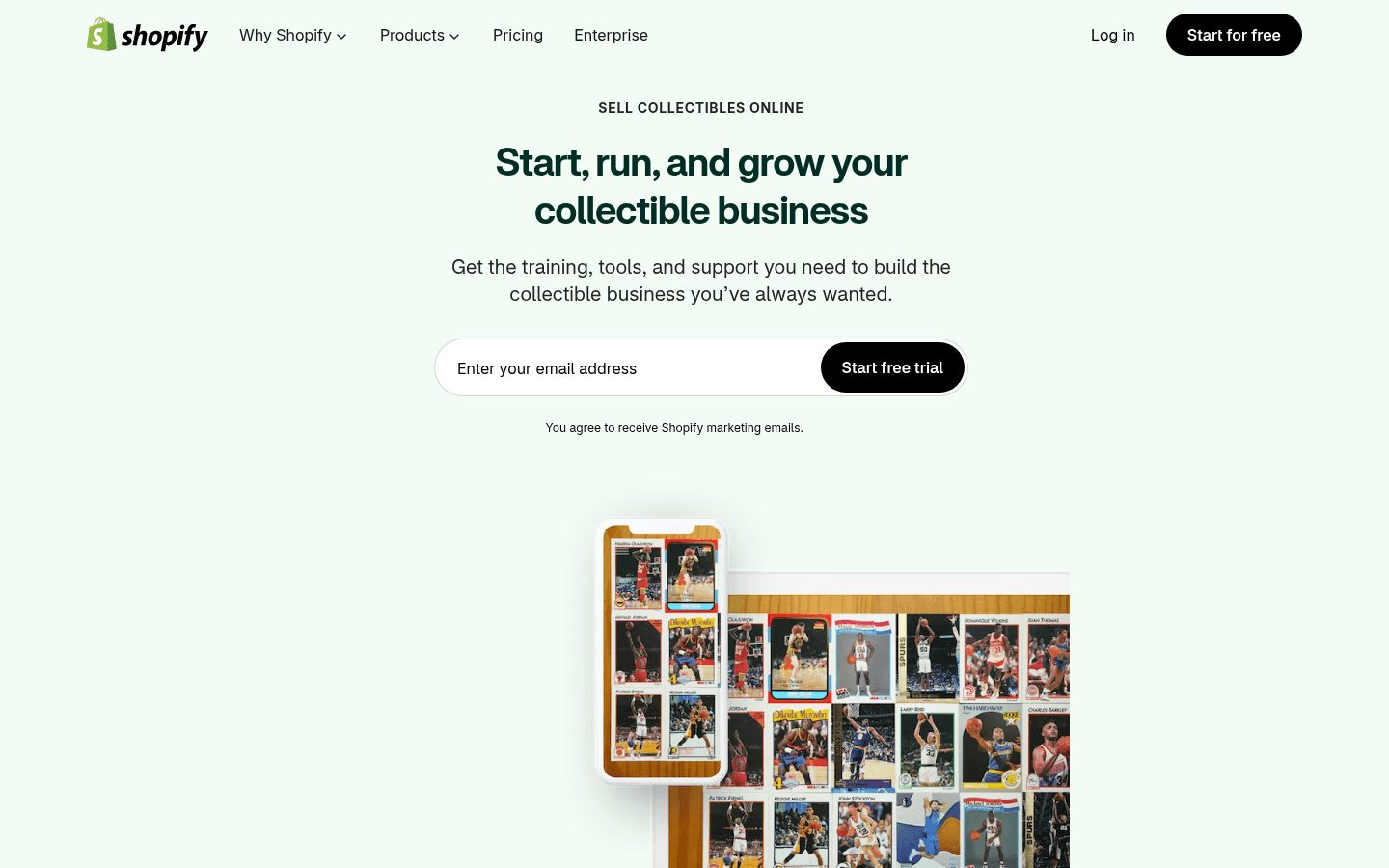
Before choosing where to sell, it helps to see the difference between a live-selling marketplace, a broad search marketplace, a LEGO-native catalog, and a social or local channel. These screenshots are visual references only. Platform interfaces, fees, and rules can change.
CTA(Identify%20and%20Price%20100%2B%20Figures%20With%20One%20Pic).png)

