


Multi channel LEGO selling means listing the same inventory, sets, minifigures, and bulk lots, across more than one marketplace such as BrickLink, eBay, Whatnot, and Facebook Marketplace instead of picking just one. Done right, it puts your inventory in front of more buyer types without doubling your workload, because each platform tends to pull a different kind of shopper.
I've sold LEGO on eBay, BrickLink, Whatnot, and Facebook Marketplace, and I've learned that no single platform captures the full market. eBay reaches the widest audience, BrickLink is where serious collectors go to pay fair market price, Whatnot rewards sellers who build a live audience, and Facebook Marketplace is where a lot of the cheapest sourcing happens. Selling on just one means you're only ever talking to part of the buyer pool.
Key takeaways:
- Multi-channel selling means listing the same inventory across BrickLink, eBay, Whatnot, and Facebook Marketplace, not building separate inventories for each.
- Each platform attracts a different buyer type, so cross-listing usually grows total sales instead of just splitting the same sales.
- The biggest risk is overselling, when the same minifigure sells on two platforms at once. A shared inventory system fixes this.
- Start with two platforms before adding a third or fourth. Trying to manage five platforms on day one usually backfires.
What Is Multi-Channel LEGO Selling, Exactly?
Multi-channel LEGO selling is the practice of listing your minifigures, sets, and parts on more than one marketplace using a single source of inventory truth, instead of treating each platform as its own separate business. The goal is to reach more buyer types with the same stock, not to create more work by managing several disconnected spreadsheets.
In my experience, most resellers start on one platform almost by accident. Maybe eBay because it's the first thing that comes to mind, or Whatnot because a friend invited them to a show. That's a fine place to start, but staying there caps how much of the market you can reach.
Why Sell LEGO on More Than One Platform?
Selling on more than one platform matters because each LEGO marketplace pulls a different type of buyer, so spreading the same inventory across a few of them usually grows total revenue instead of just splitting one audience. A minifigure that sits for weeks on one platform can sell within days on another.
I found that BrickLink buyers are patient and price-sensitive. They're often filling a specific hole in a set or a collection, and they'll wait for the right price. eBay buyers move faster and respond to urgency, especially if you list 30 to 50 percent below current market value, which in my experience tends to sell within 24 to 48 hours. Whatnot buyers are shopping for entertainment as much as the item itself, and they'll pay a premium if the show is engaging. A seller I know only lists on eBay because Whatnot's live format doesn't fit their schedule, and that's a completely reasonable choice too, it just leaves some revenue on the table.
Which LEGO Platforms Should You Start With?
Most resellers should start with two platforms, one for fast, broad-demand sales and one for accurate pricing and patient buyers, before adding a third. Pairing BrickLink with eBay or Whatnot covers both ends of that spectrum without overwhelming a new seller.
| Platform | Best For | Fee Reality | Buyer Type |
|---|---|---|---|
| BrickLink | Accurate pricing, parts, individual minifigures | Lower selling fees than eBay | Patient collectors and builders |
| eBay | Fast sales, broad reach | Can approach 25 percent of the sale with promoted listings | Bargain hunters, wide audience |
| Whatnot | Live selling, building a following | Frequent no-seller-fee days | Engaged, entertainment-driven buyers |
| Facebook Marketplace | Local sourcing and no-fee local sales | No platform selling fees | Local buyers and sellers clearing collections |
How Do You Keep Inventory in Sync Across Platforms?
Keeping inventory in sync means tracking every item in one master list first, then pushing listings out to each platform, rather than manually re-entering the same minifigure four separate times. Without a shared system, it's only a matter of time before something sells twice.
When I sort a new bulk lot, I scan and log everything before a single item goes up for sale anywhere. That one habit has saved me more headaches than anything else in this business. Here's a basic checklist I recommend for staying in sync:
- Log every item in one master inventory before listing it anywhere
- Mark an item as "listed" on each platform where it's live
- Mark it "sold" everywhere else the second it sells on any one platform
- Reconcile your master list weekly against what's actually still in your bins
- Keep photos and condition notes attached to the item, not just the listing
Before you even log an item, cross-checking it against brick'em's LEGO minifigure database helps make sure you're listing it under the correct name and set instead of guessing. This is exactly the kind of workflow brick'em's haul calculator and inventory tools were built around, so a scanned bulk lot can be tracked as it moves from sourcing to Whatnot, eBay, and BrickLink without retyping everything three times.
What Should You Price Differently on Each Platform?
Prices should reflect each platform's fees and buyer behavior, not stay identical everywhere, or you'll either lose margin on high-fee platforms or scare off price-sensitive buyers on BrickLink. A small price gap between platforms is normal and expected.
From what I've seen, BrickLink prices should track close to current sold listings since that's the market's reference point, often called the closest thing LEGO has to a stock ticker. eBay prices need room for promoted listing fees, which can push your total take rate close to 25 percent of the sale. Whatnot prices can run a little higher than BrickLink because buyers are paying partly for the live experience. My first Whatnot show did over $500 in sales with only about 10 people watching, so that premium is real even at small scale.
Heads up: This is not financial or legal advice. We're sharing what we've learned from the LEGO reselling community.
Before setting prices anywhere, it's worth checking your own collection against current data using a tool like brick'em's LEGO collection value calculator, since guessing at value across four platforms at once is how margin quietly disappears.
How Do You Avoid Overselling the Same Item Twice?
You avoid overselling by treating your master inventory as the single source of truth and updating it the moment something sells, on any platform, before you do anything else. Overselling a rare minifigure is one of the fastest ways to damage your reputation on every platform at once.
I personally check my inventory list before I even respond to a buyer message about availability, not after. It takes ten seconds and it's saved me from apologizing to a buyer more than once. If you're running four platforms manually, in my view a daily sync at minimum, first thing in the morning and last thing at night, is the least you should do until you have a system that updates automatically.
Is Multi-Channel Selling Worth It for Beginners?
Multi-channel selling is worth it once you have enough inventory and experience to manage two platforms without confusion, but it isn't the right move for your very first week. Beginners are usually better off learning one platform's rhythm before adding a second.
I started on eBay and stayed there until I understood shipping, returns, and pricing well enough to not think about them constantly. I've sold over $100,000 worth of LEGO on eBay over the years, and that platform alone taught me most of what I know about pricing to sell versus pricing to sit. Once eBay felt automatic, adding BrickLink and then Whatnot didn't feel like starting over, it felt like layering on new buyer types I already understood how to serve.
What Does a Simple Migration Checklist Look Like?
A simple migration checklist walks through exporting your existing listings, matching them against your master inventory, and re-listing them on a new platform with the right condition notes and pricing, so nothing gets duplicated or missed. Treat it like a one-time project, not an ongoing chore.
| Step | What To Do |
|---|---|
| 1. Export | Pull your current listings and photos off your primary platform |
| 2. Match | Compare exported items against your master inventory for duplicates |
| 3. Price check | Adjust price for the new platform's fees and buyer behavior |
| 4. Re-list | Upload to the new platform with condition notes attached |
| 5. Sync | Mark the item as listed on both platforms in your master inventory |
If you want to skip building this from scratch, brick'em's signup flow is built around exactly this kind of migration: scan once, then export to Whatnot, eBay, BrickLink, and Shopify from the same inventory record. If you're weighing whether the time savings are worth it, brick'em's blog has other reseller workflow breakdowns worth reading too.
Frequently Asked Questions
Do I need software to sell LEGO on multiple platforms?
You don't strictly need software. A shared spreadsheet can work for a small collection, but it gets unreliable fast once you're managing more than a hundred items across three or four platforms. Most sellers I know eventually move to some kind of inventory tool once overselling becomes a recurring problem.
Which LEGO platform has the lowest fees?
BrickLink generally has lower selling fees than eBay, and Facebook Marketplace has no platform selling fees at all for local transactions. Whatnot regularly runs no-seller-fee days too. Always check each platform's current fee schedule before pricing, since fee structures do change over time.
How many platforms should a beginner LEGO reseller use?
Most beginners do best starting with one platform, then adding a second once that first one feels manageable, usually after a few months. Jumping straight to four platforms at once tends to create more overselling mistakes than it's worth for someone still learning pricing and shipping.
Can I sell the exact same minifigure on eBay and BrickLink at the same time?
Yes, since the same figure can absolutely be listed in two places at once. The important part is updating your master inventory the moment it sells anywhere. The risk isn't listing it twice, it's forgetting to remove the second listing after the first sale happens.
Does cross-listing on Whatnot hurt my BrickLink reputation?
No, cross-listing itself doesn't hurt your reputation on either platform, since reviews and feedback are platform specific and don't transfer between them. What matters more is shipping accurately described items on time everywhere you sell, which is what actually builds reputation on any platform.
What Do These LEGO Selling Platforms Look Like?
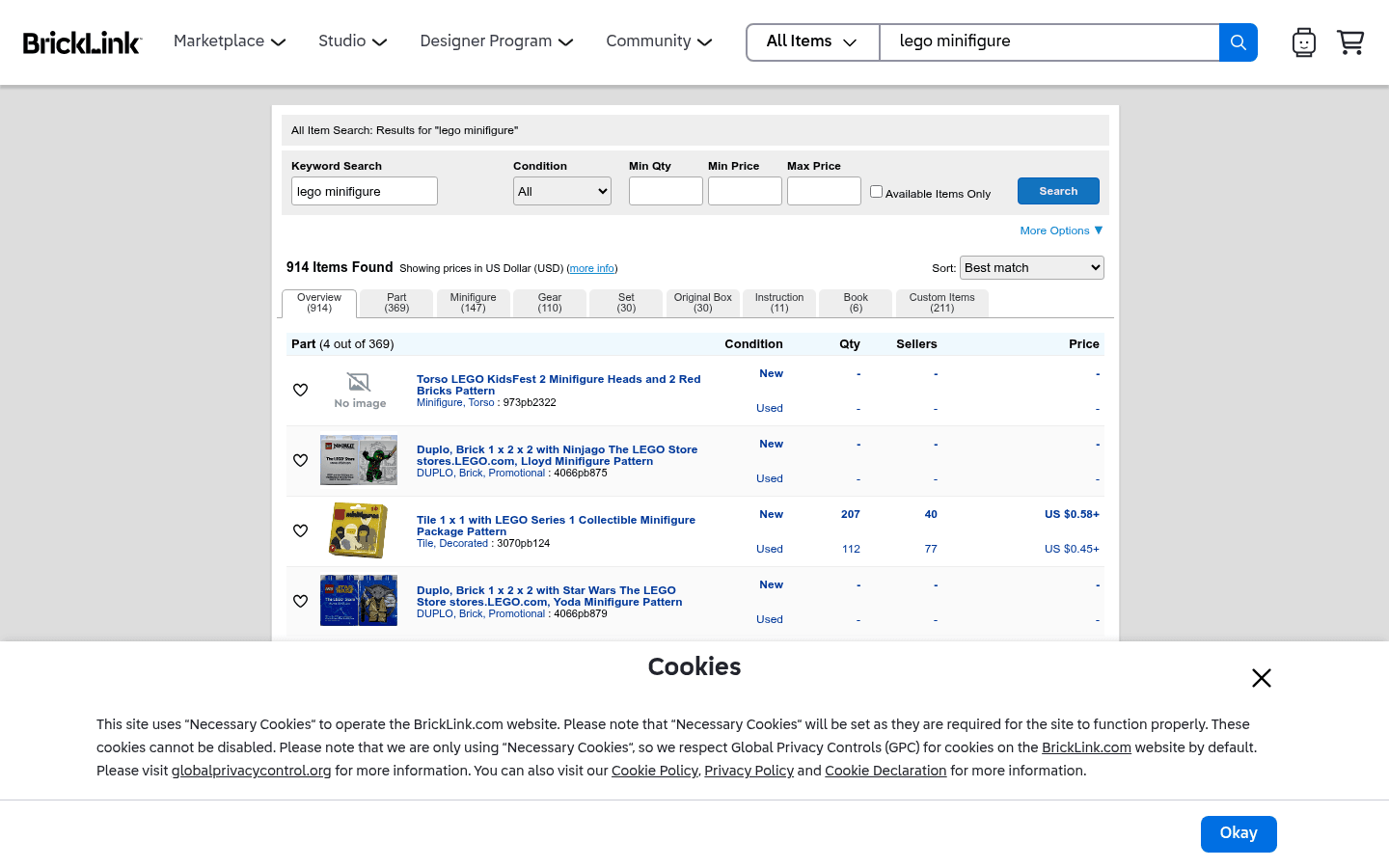
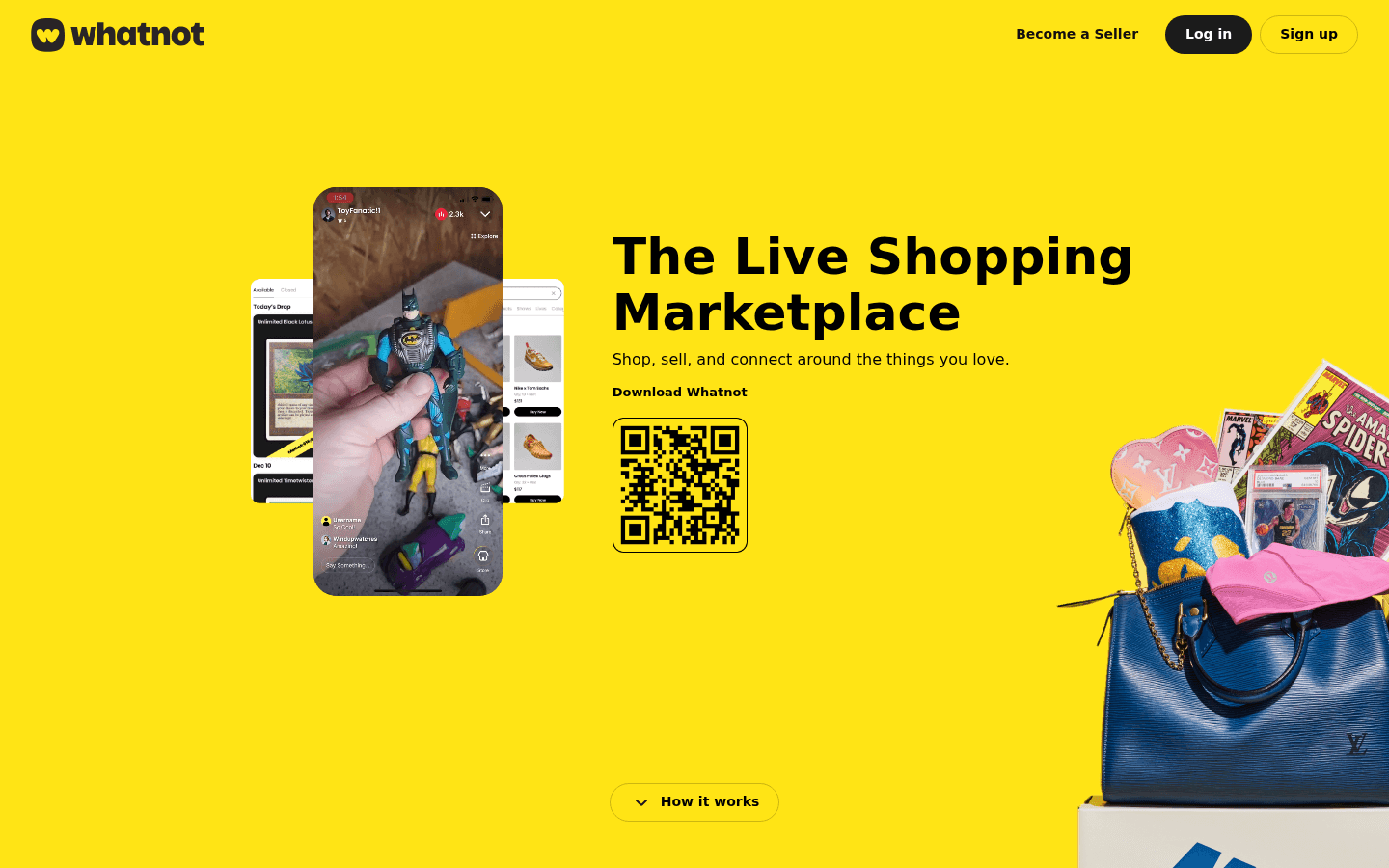
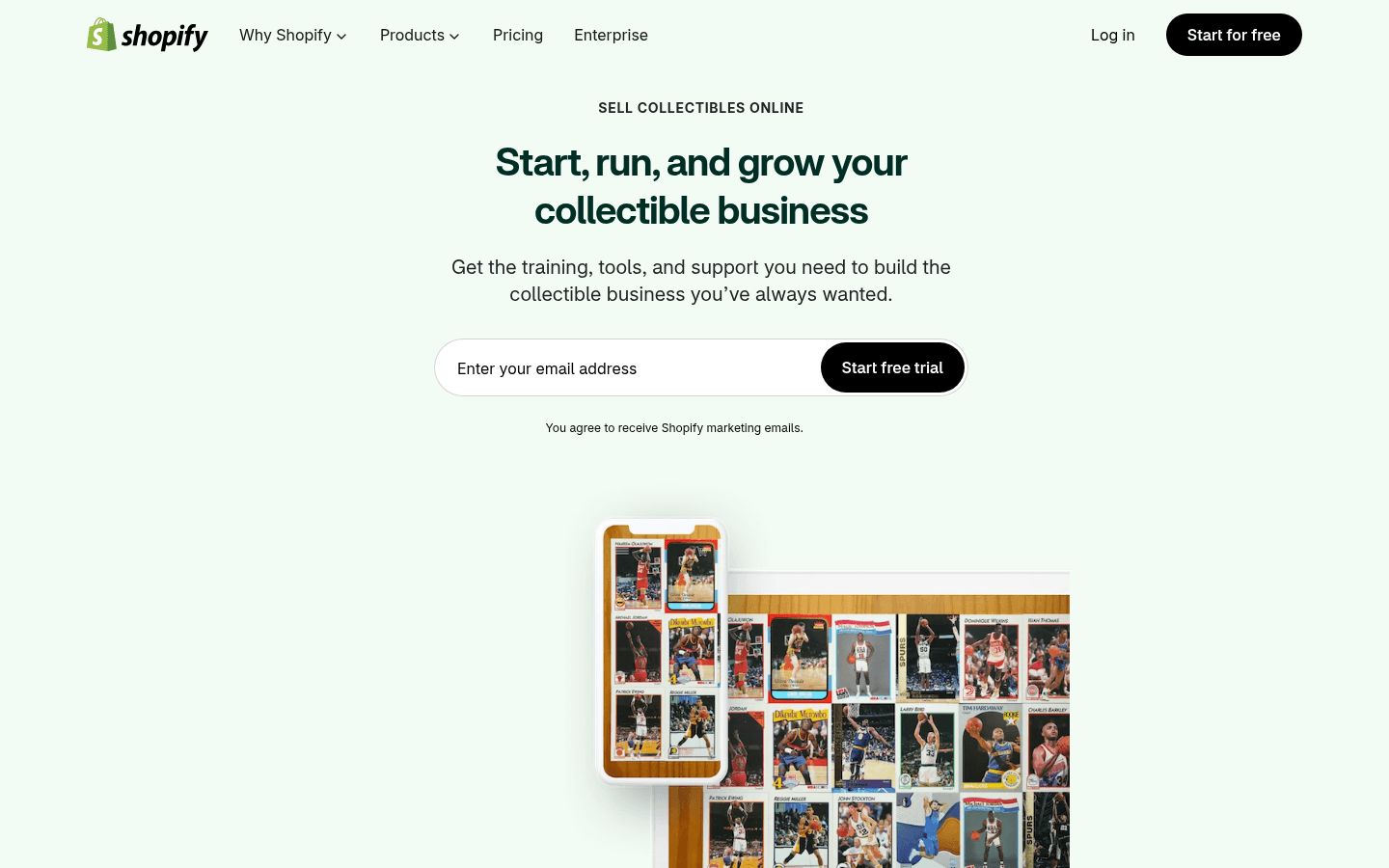
Before choosing where to sell, it helps to see the difference between a live-selling marketplace, a broad search marketplace, a LEGO-native catalog, and a social or local channel. These screenshots are visual references only. Platform interfaces, fees, and rules can change.
.png)

