


Local vs online LEGO selling comes down to one trade: platform fees and a smaller buyer pool versus bigger reach and faster sell-through. If you're moving bulky sealed sets or a garage-sale lot, local deals through Facebook Marketplace or a LEGO meetup usually keep more of the sale price in your pocket. If you're moving minifigures, retired sets, or anything with a niche fan base, online platforms like eBay, BrickLink, and Whatnot put your listing in front of a much bigger audience, and that reach is usually worth more than the fee you give up.
I've sold LEGO through pretty much every channel a reseller can use, and the honest answer is that margin isn't really about local versus online. It's about matching the item to the channel that wants it most. A $10 bulk lot of City minifigures might make more sense as a quick local flip. A rare Star Wars figure or a sealed modular set is usually worth shipping across the country to the right buyer.
- Local selling skips platform fees but limits your buyer pool and takes your own time and gas money.
- Online platforms charge fees, sometimes close to 25% with promoted listings on eBay, but expose your inventory to far more buyers.
- BrickLink has lower fees than eBay and is the best fit for individual parts and precisely priced minifigures.
- Whatnot rewards consistency and audience building, and can push prices above market value for the right seller.
- The smartest resellers use a mix of channels based on what the specific item is, not a single default platform.
Where Does Local LEGO Selling Actually Win on Margin?
Local selling wins on margin when you skip platform fees entirely and negotiate face to face, especially on heavy or bulky sets where shipping would eat most of your profit. Facebook Marketplace deals, local buy-sell-trade groups, and LEGO meetups let you keep close to 100% of the sale price, but you trade that for a smaller buyer pool and more of your own time.
In my experience, local deals are best for items where the math on shipping just doesn't work: large sealed sets, bins of loose bricks, or lots too heavy to ship profitably. I've picked up boxes of used sets from Facebook Marketplace sellers who just wanted them gone, and because there's no platform fee, even a modest price gets you a real margin. A seller I know builds most of his sourcing this way, buying local lots cheap and reselling the good pieces online.
Where Does Online LEGO Selling Win on Margin?
Online selling wins on margin when your inventory needs a bigger audience than your local area can offer, particularly for rare minifigures, retired sets, or themes with a devoted following. Platforms like eBay, BrickLink, and Whatnot put your listings in front of thousands of buyers who already want what you're selling, and that reach usually outweighs whatever percentage you give up in fees.
I've sold over $100,000 worth of LEGO on eBay, and it's still the platform I'd point a new online seller to first. eBay is a gold mine for both sourcing and selling LEGO minifigures because the buyer pool is enormous. You give up some margin to fees, but you get access to buyers who simply do not exist in your local market. When I sell something rare, online is almost always the better move.
How Do Selling Fees Compare Between Local and Online LEGO Sales?
Fees are the clearest difference between local and online selling: local deals typically cost you nothing beyond your time, while online platforms charge anywhere from a small percentage to close to a quarter of your sale price once you add promoted listings. The table below breaks down how the main channels stack up.
| Channel | Typical Fee Load | Best For |
|---|---|---|
| Facebook Marketplace | No platform fee | Local pickups, bulky sets, fast cash |
| eBay | Can approach 25% with promoted listings | Broad reach, rare or retired sets and figures |
| BrickLink | Lower selling fees than eBay | Individual parts and precisely priced minifigures |
| Whatnot | Seller fee varies, some no-fee show days | Live audience building, character-driven themes |
| Local events or meetups | No platform fee, but table and travel costs | Deal flow, networking, offloading bulk inventory |
Heads up: This is not financial or legal advice. We're sharing what we've learned from the LEGO reselling community.
Is Facebook Marketplace Worth It for LEGO Resellers?
Facebook Marketplace is worth it mainly as a sourcing tool rather than a primary selling channel, since it's a gold mine for people clearing out old LEGO who just want it gone. You avoid platform fees entirely, and buyers there are often open to offers, so haggling is normal and expected on both sides of the deal.
I recommend meeting in safe, public locations, and a lot of experienced sellers meet at a police station parking lot for exactly that reason. It's rare for anything to go wrong, but LEGO lots can be worth real money, so a little caution keeps the transaction smooth. Before you commit to a lot, run the numbers with a haul calculator so you're not guessing at what the pieces are actually worth.
Should You Sell LEGO on eBay or Keep It Local?
eBay makes more sense than a local sale whenever an item has broad demand and you can price it competitively, because in a strong niche like LEGO, listing at 30 to 50 percent below market value tends to sell within 24 to 48 hours. Local sales make more sense when the item is heavy, low-value per pound, or unlikely to attract online shipping-worthy interest.
eBay buyers love a steal, and that's both the opportunity and the catch. You can move inventory fast if you price for volume, but it's rare to get above-market value on eBay the way you sometimes can on Whatnot, unless the item is genuinely rare. From what I've seen, promoted listings are often necessary to get enough eyeballs on a listing, and that's the part of eBay's margin story that catches new sellers off guard.
What About Whatnot and Live Selling for LEGO?
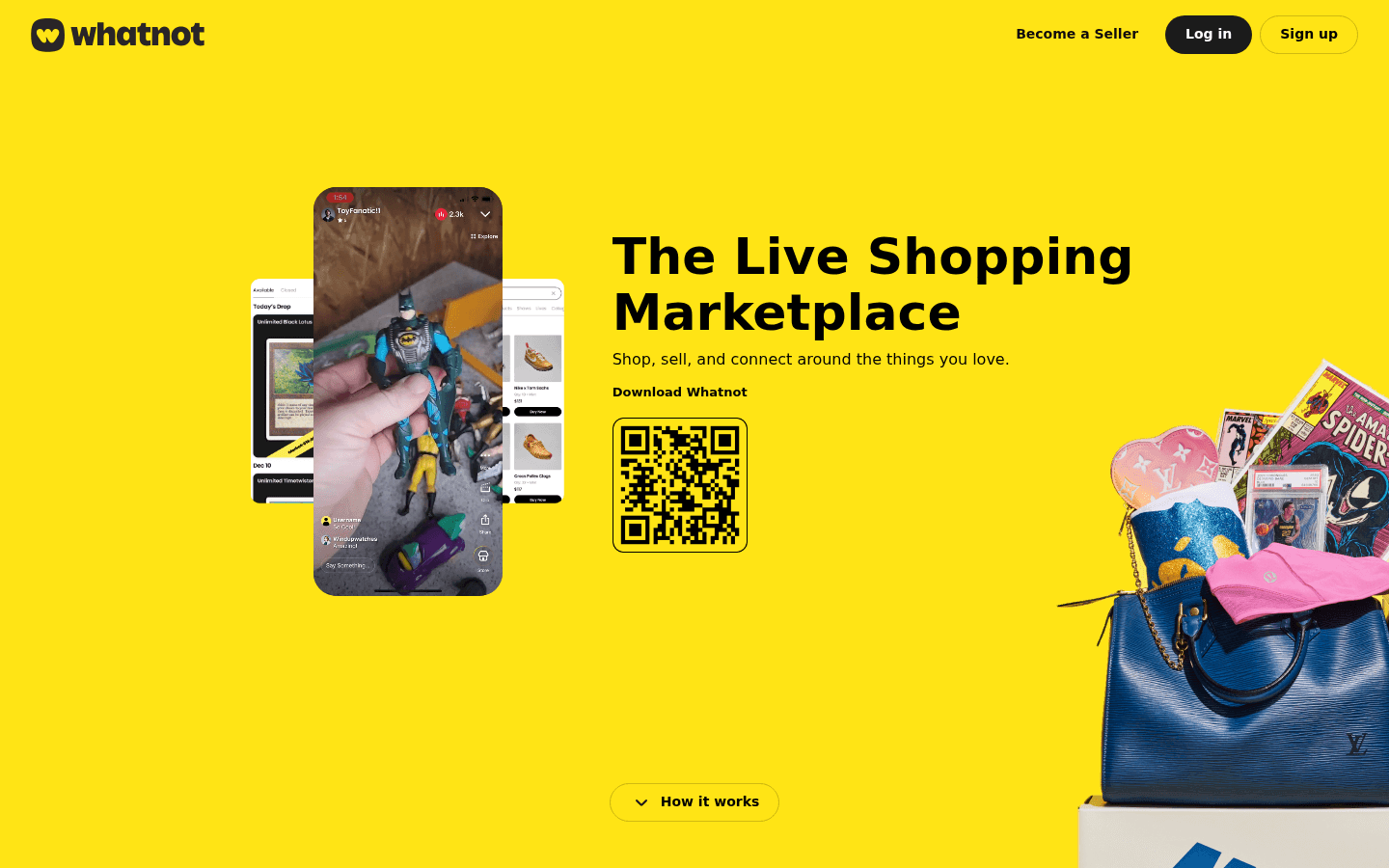
Whatnot can outperform every other channel on margin once you build an audience, because live buyers who trust you will often pay 30 percent or more above typical market value for the right item. It takes longer to get there than listing on eBay or BrickLink, and early shows can lose money while you build a customer base, but the upside is real for sellers who stick with it.
My first Whatnot show had about 10 people watching and still did over $500 in sales, which felt like a big deal at the time. I've seen my own following grow past 3,000 and sales cross $30,000 in about five months, without ever showing my face on camera. I found that spending around $20 per show on boosted promotion near the start of a stream helps get initial eyes on it. Whatnot also tends to work especially well for character-driven categories: Star Wars, Marvel, and Ninjago all do well because buyers already care about the story behind the piece.
Where Does BrickLink Fit Into the Local vs Online Decision?
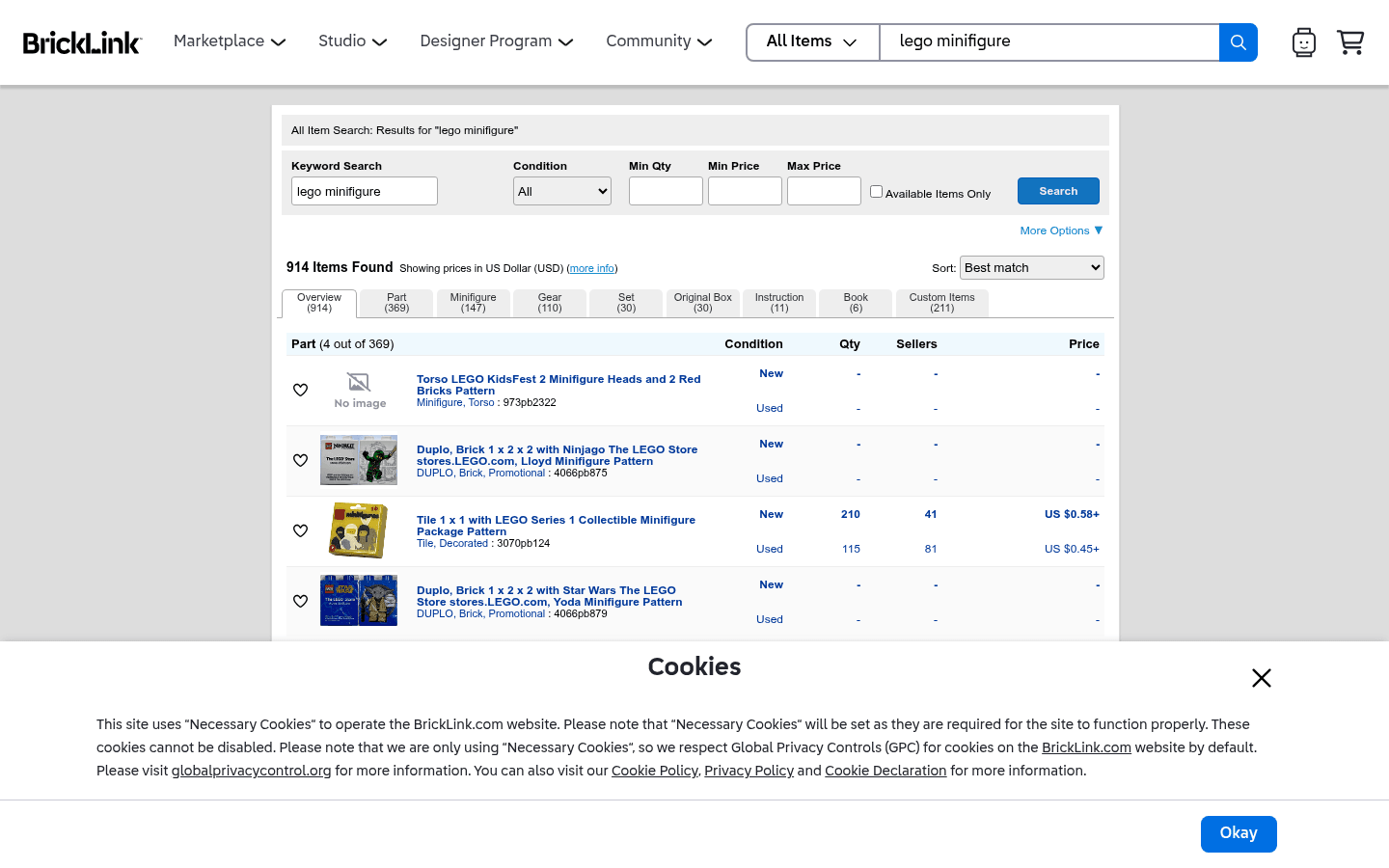
BrickLink fits in as the pricing and inventory backbone for online LEGO selling, not necessarily the fastest sales channel, because it's the market standard for accurate pricing, almost like the Wall Street of LEGO. It has meaningfully lower selling fees than eBay, which makes it the right home for individual parts and minifigures priced under $5 that wouldn't be worth shipping on other platforms.
I learned early on that larger sellers sometimes acquire entire BrickLink stores from smaller sellers, often paying somewhere in the 30 to 50 percent of market value range for the whole inventory at once. That's a different game than day to day selling, but it shows how much weight the platform carries as a pricing reference. Scan your own pickups against the minifigure database before you decide whether a piece belongs on BrickLink, eBay, or a local sale.
How Do You Decide Which Channel Fits Your LEGO Inventory?
The right channel depends on the item's size, rarity, and per-unit value, not a single default platform you use for everything. Use this checklist to sort a new lot before you list anything.
- Heavy or bulky and low value per piece: consider a local sale or Facebook Marketplace.
- Rare minifigure or retired set with broad demand: list on eBay for maximum reach.
- Individual parts or figures under $5: BrickLink's lower fees make more sense than eBay shipping.
- Character-driven theme like Star Wars, Marvel, or Ninjago: consider building a Whatnot audience.
- Incomplete set missing a few pieces: source the missing parts before you decide where to sell.
- Large or mixed bulk lot: sort and price it before choosing a channel for each piece.
Whichever channel you pick, track what the whole lot is actually worth with a collection value calculator so you're pricing off real numbers instead of a guess. If you're just getting your inventory organized, create a free brick'em account and start scanning before you list your first item.
Frequently Asked Questions
Is it better to sell LEGO locally or online?
It depends on the item. Bulky, low-value-per-piece inventory usually nets more locally because you skip shipping and platform fees entirely. Rare minifigures, retired sets, and character-driven themes usually do better online, where a much bigger buyer pool can outweigh the fees you give up on eBay, BrickLink, or Whatnot.
What LEGO sells best on Facebook Marketplace versus eBay?
Facebook Marketplace works best for bulky sealed sets, mixed bulk lots, and anything not worth shipping. eBay works best for individually valuable items like rare minifigures or retired sets, since its huge buyer pool can absorb fees that would erase the margin on a low-value local item.
Do I need to worry about fees when selling on Whatnot?
Whatnot's seller fee varies and the platform has run no-seller-fee days at times, so it's worth checking current terms before a show. In my experience, the bigger factor is audience size and consistency. A loyal audience can pay above market value, which often matters more than the exact fee percentage.
How do I know if a LEGO lot is worth buying before I resell it?
Run the numbers before you buy. A haul calculator lets you estimate what a mixed lot is worth based on piece counts and condition, so you're not guessing. I never buy a bulk lot without at least a rough estimate of what I can realistically get back out of it.
Is BrickLink or eBay better for selling minifigures?
BrickLink tends to win for individually priced, lower-dollar minifigures because its fees are lower and pricing data is considered the market standard. eBay tends to win for rare or higher-demand figures where a bigger buyer pool and competitive bidding can push the final price above what BrickLink's fixed pricing model typically returns.
What Do These LEGO Selling Platforms Look Like?
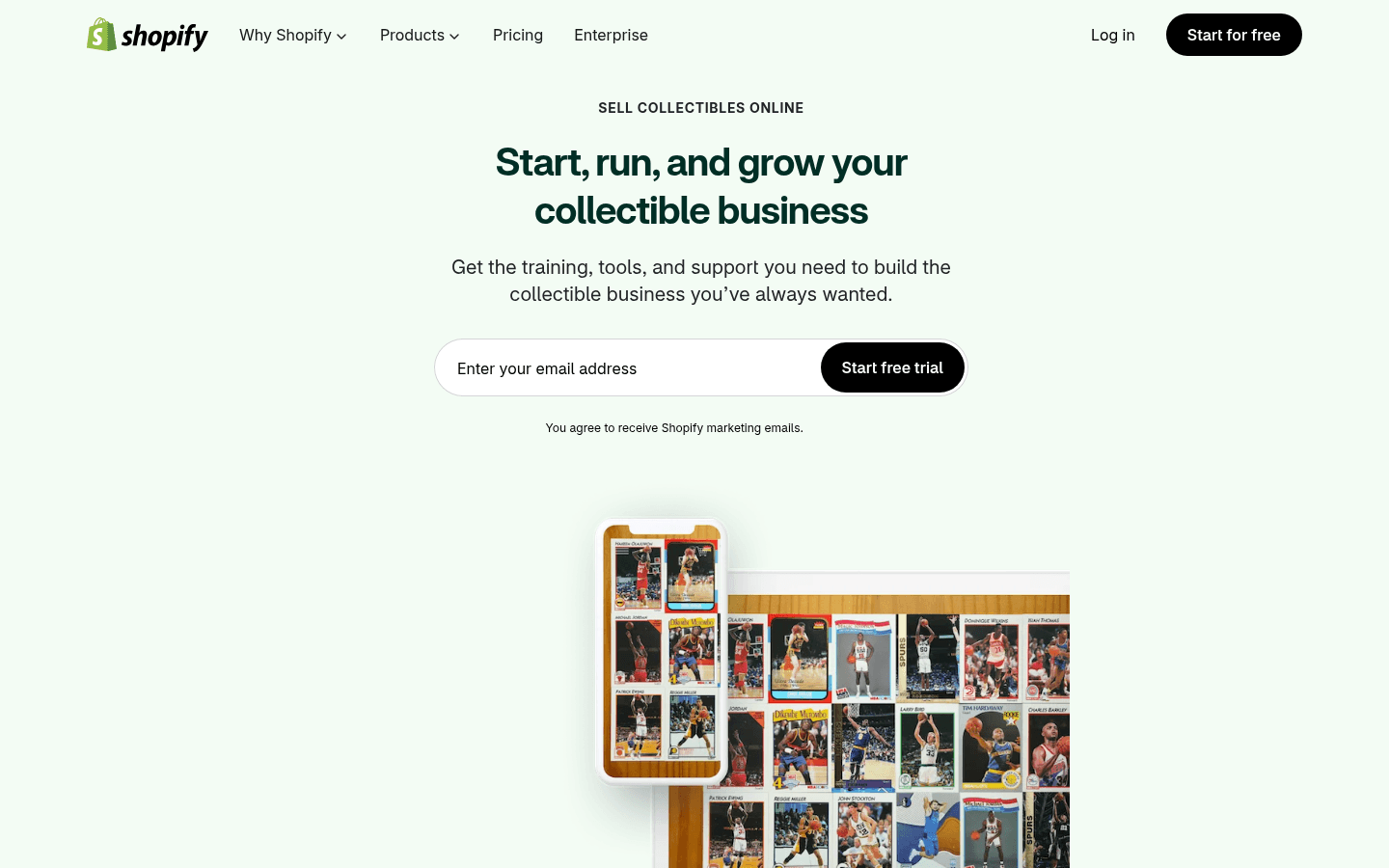
Before choosing where to sell, it helps to see the difference between a live-selling marketplace, a broad search marketplace, a LEGO-native catalog, and a social or local channel. These screenshots are visual references only. Platform interfaces, fees, and rules can change.
.png)
