


If you've sold LEGO on eBay, Whatnot, or BrickLink for more than a few months, the idea of building your own web store has probably crossed your mind. Short answer: for most LEGO resellers, a standalone website isn't worth the time and money until you already have an audience willing to follow you off a marketplace. If you're just getting started, the marketplaces are still doing the hard work of finding buyers for you.
I've gone back and forth on this myself more than once. Selling in a place where people are already browsing beats waiting months for Google to notice a brand new domain. But there are real situations where a LEGO reseller's own site earns its keep, and I want to walk through exactly when that shift makes sense instead of just telling you to "go independent."
Key takeaways:
- A standalone LEGO store means you cover hosting, payment processing, and marketing yourself, with zero built-in buyer traffic on day one.
- Marketplaces like eBay, BrickLink, and Whatnot already have buyers actively searching for LEGO every day, which is a huge head start for new sellers.
- Your own site tends to pay off once you already have an audience, an Instagram following, Whatnot regulars, or an email list, who trust you enough to buy off-platform.
- Most resellers who do well with a website run it alongside marketplace listings rather than replacing them outright.
What Does It Actually Take to Open Your Own LEGO Web Store?
Opening your own LEGO web store means picking an ecommerce platform, paying a monthly subscription, setting up payment processing, photographing and describing every single item yourself, and handling your own customer service, refunds, and shipping disputes. There's no built-in audience waiting for you. You're responsible for every part of the sale, from the first click to the review left afterward.
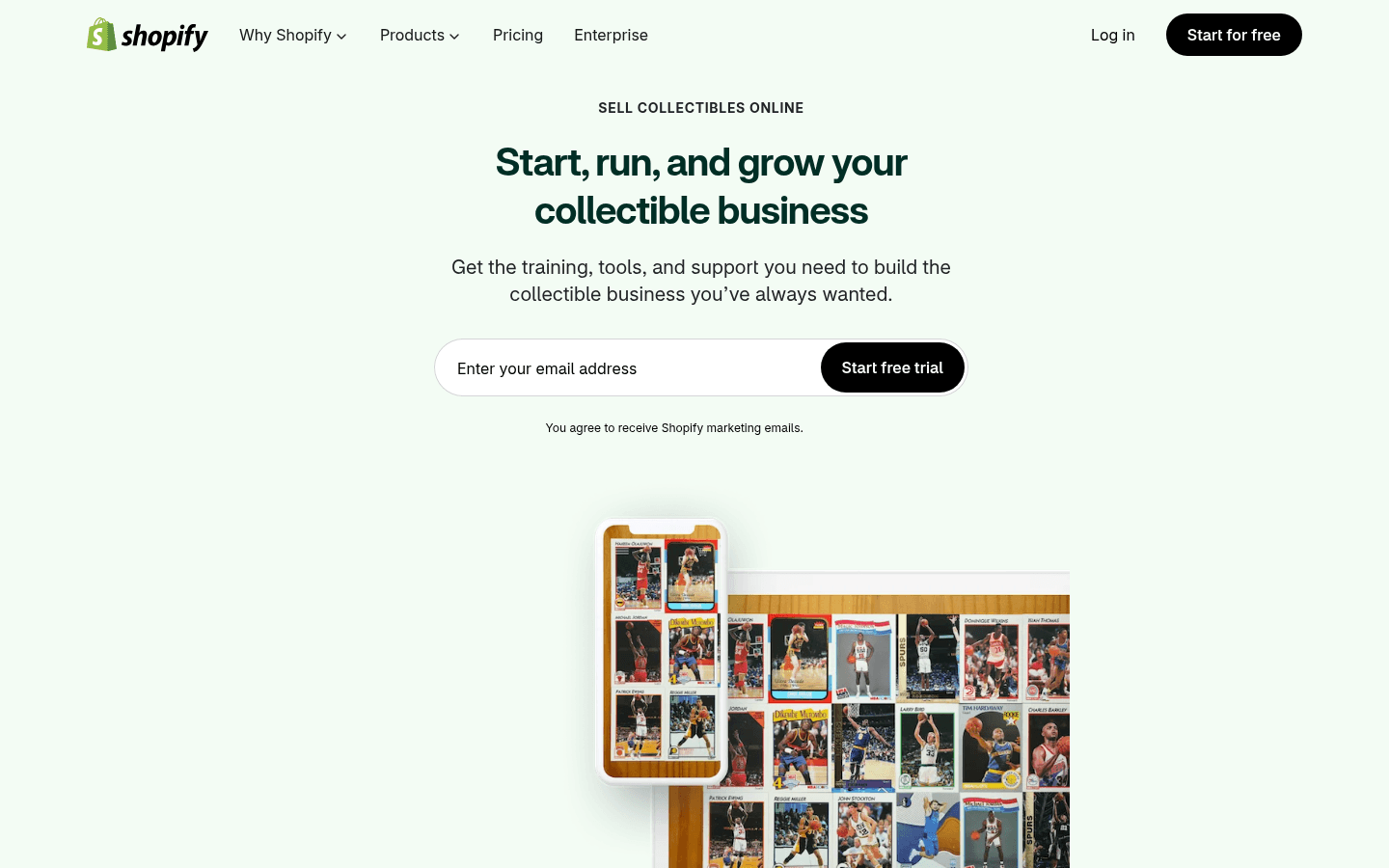
Shopify is the platform most resellers reach for first. Plans have generally landed somewhere in the $30 to $40 a month range for a basic store at the time of writing, but pricing and plan tiers change, so check Shopify's current pricing before you commit to anything. On top of that you're paying standard card processing fees on every order, plus whatever you spend on a domain, apps, and photography.
Why Do Most LEGO Resellers Start on Marketplaces Instead?
Most LEGO resellers start on marketplaces because BrickLink, eBay, and Whatnot already have buyers actively searching for minifigures and sets every day, so a new seller doesn't have to build an audience from zero. In my experience, that built-in traffic is worth more in the first year than any extra control you'd get from running your own site.
I've sold over $100,000 worth of LEGO through eBay alone, and the reason isn't that eBay is cheap. It's that eBay puts a listing in front of millions of people searching for exactly what you have. BrickLink works the same way for parts and minifigures, it's the closest thing the hobby has to a real pricing index, almost like the Wall Street of LEGO, and buyers already trust it enough to check out without hesitation. My first Whatnot show only had about 10 people watching, and it still did over $500 in sales. That kind of result on day one is very hard to replicate on a website nobody has heard of yet.
What Are the Real Costs of Running Your Own LEGO Website?
The real costs of running your own LEGO website go beyond the monthly platform fee: you're also paying card processing on every transaction, spending real hours on photography and listing copy, and covering any ads you run just to get people to find the site at all. None of that disappears just because you're not paying a marketplace's cut.
- Ecommerce platform subscription (commonly in the tens of dollars per month)
- Payment processing fees on every order
- Domain registration and email
- Photography and listing time for each item
- Paid ads or promotion to replace marketplace search traffic
- Customer service, returns, and shipping problems you now own directly
Heads up: This is not financial or legal advice. We're sharing what we've learned from the LEGO reselling community.
Do You Lose the Built-In Traffic Marketplaces Give You?
Yes, and this is the part new sellers underestimate. A brand new website has no search ranking, no reviews, and no algorithm pushing it in front of buyers, so traffic has to come from somewhere you build yourself. It usually takes months of consistent content and outside promotion before a new LEGO store sees meaningful organic visits.
I noticed this firsthand when I compared how fast a new listing gets views on a marketplace versus how long it takes a new domain to rank for anything. A fresh eBay or BrickLink listing can get seen within hours because the platform already has the traffic. A fresh website is starting from absolute zero, and that gap is exactly why so many resellers keep marketplace listings running even after they launch a site.
When Does a LEGO Reseller Actually Need Their Own Site?
A LEGO reseller actually needs their own site once they already have an outside audience willing to follow them off a marketplace, usually built through Instagram, Whatnot shows, or an email list. Without that audience already in place, a website is mostly just extra overhead with no traffic to show for it.
I reached 3,000-plus followers and over $30,000 in sales in about 5 months on Instagram without ever showing my face on camera, and that audience is exactly the kind of thing that makes a standalone store worth building. I've also posted a single Instagram story and sold $700 of LEGO to three different people in about 20 minutes, because the trust was already there. When you have that kind of following, sending them to your own store instead of a marketplace listing starts to make real sense.
How Do You Drive Traffic to a New LEGO Store Without Marketplace Search?
You drive traffic to a new LEGO store the same way you'd build any audience: consistent posting on Instagram, regular Whatnot or live shows that point people to your site, an email list you actually use, and word of mouth inside LEGO reseller and collector communities. None of that happens automatically the way marketplace search does.
It also isn't free. I personally budget around $20 per show on boosted promotion when I'm trying to get a Whatnot show in front of new people, and paid traffic to a standalone website tends to cost at least that much per meaningful visitor, often more. Compare that to eBay, where even with promoted listings pushing your total take rate close to 25% of the sale, you're still reaching people who were already searching for LEGO. That's the tradeoff: pay a marketplace a cut of sales that were already going to happen, or pay to build traffic from nothing on your own site.
Own Website vs Marketplace: A Quick Comparison
Here's the short version: marketplaces win on traffic and trust, your own site wins on control and margin once you already have buyers coming to you.
| Factor | Own Website | Marketplace (eBay, BrickLink, Whatnot) |
|---|---|---|
| Built-in buyer traffic | None at launch | Millions of active searchers |
| Fees | Platform subscription plus processing | Listing and final value fees, higher with promotion |
| Setup time | Days to weeks | Minutes per listing |
| Buyer trust | You have to earn it | Already established by the platform |
| Control over branding | Full control | Limited to platform templates |
Should You Run Both a Website and Marketplace Listings?
Running both is the approach most successful resellers I know actually use. Marketplaces handle discovery for buyers who don't know you yet, and a website becomes the place your existing audience buys from directly, often at better margin since there's no marketplace cut on that sale.
Before splitting inventory across channels, you need a clear picture of what you actually own and what it's worth. That's a lot easier when everything is scanned and organized in one place instead of guessed at from memory, which is where a tool like brick'em's minifigure database comes in handy for identifying what you're holding before you decide where to list it. If you're weighing whether a big bulk buy is even worth the time to sort and list across channels, running the numbers through a haul calculator first can save you from a bad purchase before it happens.
What's the Smartest Way to Start If You're Not Sure Yet?
The smartest way to start if you're not sure yet is to stay on marketplaces, build your inventory and your audience at the same time, and only invest in a standalone website once you can point to a real group of people who'd actually visit it. Jumping straight to a website before that audience exists is how a lot of sellers I know end up with a store and no traffic.
While you're building that inventory up, it's worth keeping a running sense of what your collection is actually worth using a collection value calculator, so you're not caught off guard by how much you're sitting on. When you're ready to organize everything properly across whichever channels you end up using, you can sign up for brick'em to keep your inventory straight from day one instead of retrofitting a system later.
Frequently Asked Questions
Do I need a business license to sell LEGO online?
Requirements vary by state and country, and this isn't legal advice, so check your local rules before you scale up. A lot of sellers start as a hobby seller on marketplaces and formalize things like a license or LLC once sales become consistent enough to matter for taxes.
Is Shopify the best platform for a LEGO reseller website?
Shopify is the most common choice among resellers I've seen because it's built for ecommerce specifically and integrates with a lot of shipping and inventory apps. That said, it's not free, so it only makes sense once you have enough outside traffic to justify the monthly cost.
How long does it take a new LEGO website to get search traffic?
In my experience it typically takes several months of consistent content and outside promotion before a new website sees meaningful organic search traffic. That's very different from a marketplace listing, which can get views within hours because the platform already has buyers searching.
Can I sell on my own website and BrickLink at the same time?
Yes, and a lot of resellers I know do exactly this. Just keep inventory counts synced carefully so you don't sell the same item twice, since nothing updates automatically between a standalone site and a separate marketplace account unless you're using a tool built to track it.
Should a brand new LEGO reseller skip marketplaces and go straight to a website?
I wouldn't recommend it. Marketplaces give a brand new seller instant access to buyers who are already looking for LEGO, and that head start is hard to replace with a website that has no traffic yet. Start where the buyers already are, then expand once you've built a following of your own.
What Do These LEGO Selling Platforms Look Like?
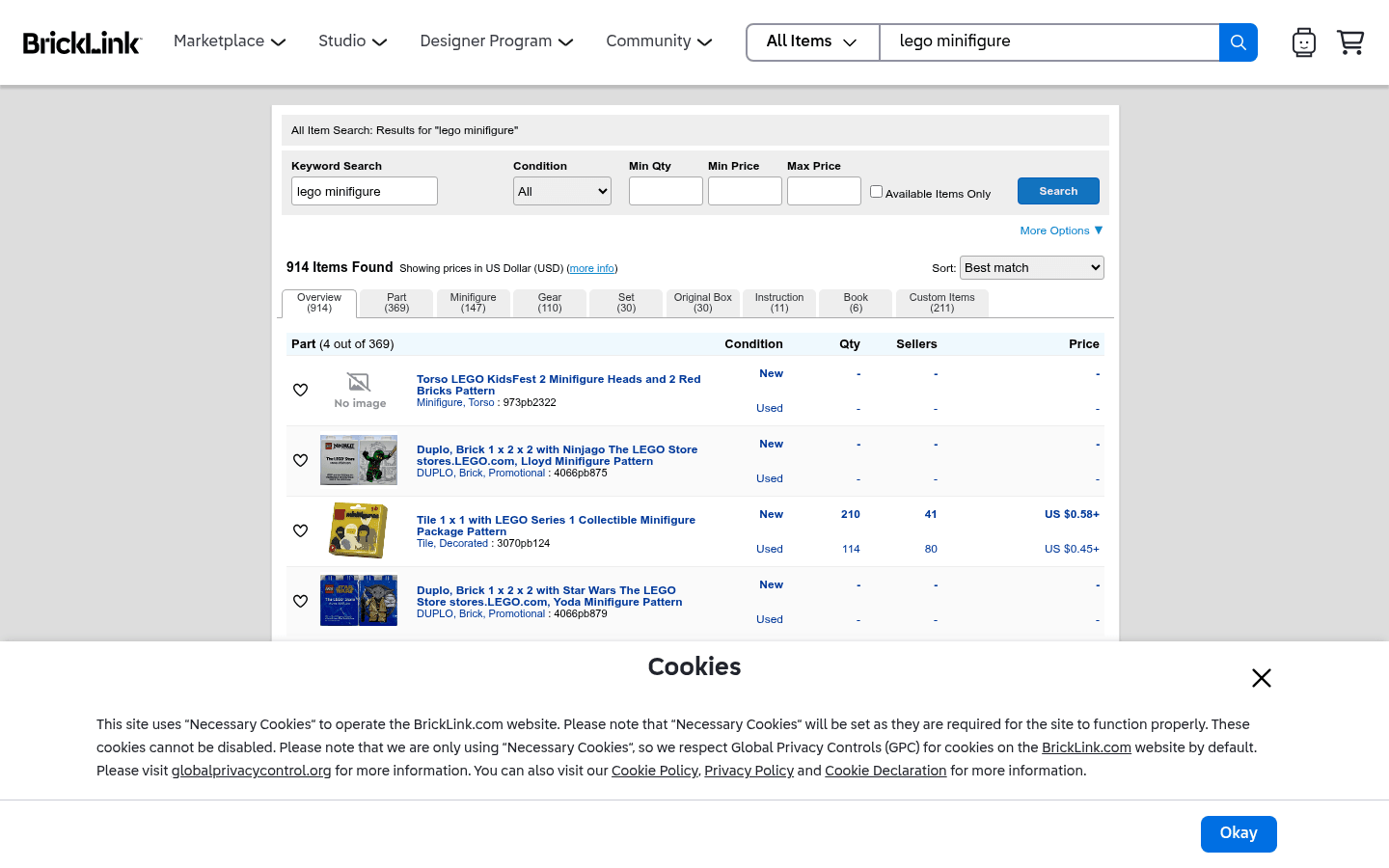
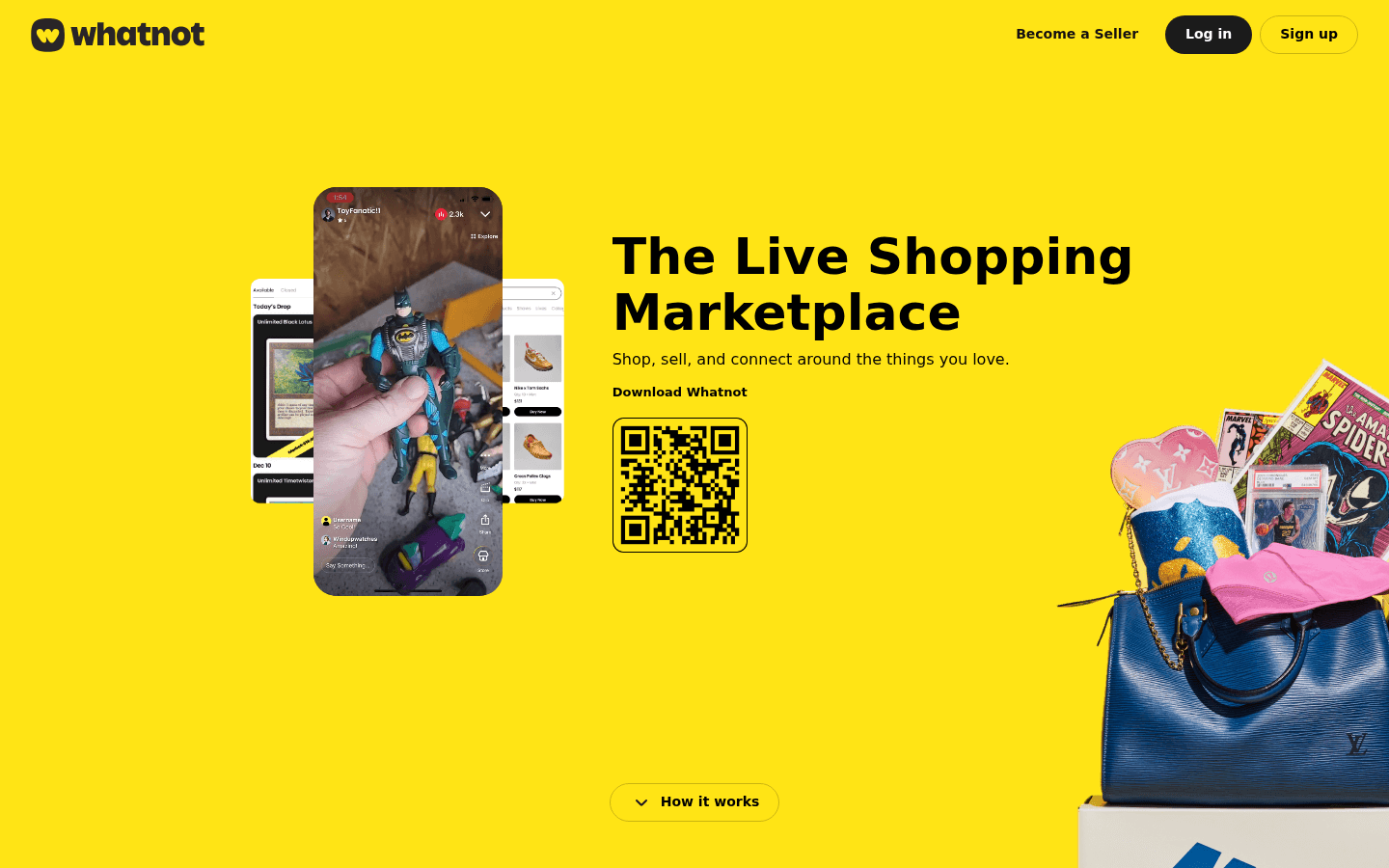
Before choosing where to sell, it helps to see the difference between a live-selling marketplace, a broad search marketplace, a LEGO-native catalog, and a social or local channel. These screenshots are visual references only. Platform interfaces, fees, and rules can change.
.png)

