If you buy and sell LEGO minifigures for a living, you already know some themes hold their price like a rock and others jump around depending on the week, the platform, and whatever a YouTube video just said. The short answer: Star Wars, Castle, Pirates, and Modular Buildings tend to be the most price volatile LEGO themes because they combine nostalgia-driven collectors, limited new supply, and uneven demand across BrickLink, eBay, and Whatnot, while City and most Harry Potter figures stay flat because demand is thin everywhere. In my experience sourcing and reselling thousands of figures, volatility is not the same thing as bad. Volatile themes can swing up just as fast as they swing down, which is exactly where resellers who track prices closely can make real money.
This post breaks down which LEGO minifigure themes move the most, why they move, and how I personally decide what to buy, hold, or flip fast based on that movement. None of this is investment advice. It is what I have learned from running brick'em, talking to other sellers, and sorting through a lot of bins.
- Nostalgia themes like Castle and Pirates swing hardest because supply is fixed and buyers are emotional.
- Star Wars is highly liquid but still moves with movies, anniversaries, and retirements.
- City figures are the most stable, and stable here means stable and low.
- Collectible Minifigures (CMF) volatility depends heavily on packaging and whether buyers can scan before they buy.
- BrickLink is the best place to track six month price averages before you commit to a theme.
What Does "Price Volatility" Actually Mean for LEGO Minifigures?
Price volatility means how much a minifigure's resale value swings up and down over weeks or months, instead of holding a steady number. A figure with low volatility sells for close to the same price every time, on every platform. A figure with high volatility might sell for 30 percent above its six month average one week on Whatnot and 20 percent below it the next week on BrickLink.
I track this the same way a lot of sellers I know do: by watching sold listings, not asking prices. Asking prices on BrickLink or eBay tell you what someone hopes to get. Sold listings tell you what someone actually got. If you only look at asking prices, you will think every theme is more valuable and more stable than it really is.
Why Do Some LEGO Themes Swing in Price More Than Others?
LEGO themes swing in price based on three things: how fixed the supply is, how emotional the buyer base is, and how many places you can actually sell the figure. Retired themes with no new supply and a nostalgic buyer base, like Castle and Pirates, move the most. Active themes with steady new supply, like City, barely move at all.
A theme can be extremely popular and still be low volatility, and a theme can be a niche favorite and still swing wildly. Popularity and volatility are not the same measurement. BrickEconomy and BrickLink both publish historical pricing data that make this easy to see once you start comparing retired sets against currently available ones.
Is Star Wars a Volatile LEGO Theme?
Star Wars is moderately volatile. It is one of the most liquid LEGO themes on Whatnot and eBay, which means figures sell fast, but prices still move around anniversaries, new movie or show releases, and when LEGO retires a wave of sets. In my experience, Star Wars is the best beginner theme precisely because demand is so broad that even a volatile week still ends in a sale.
What makes Star Wars swing is mostly supply timing. When LEGO releases a big new Star Wars wave, older figures from the same characters sometimes dip because buyers have fresh options. When a set retires, the opposite happens. I recommend watching BrickLink's six month average on any Star Wars figure before pricing it, rather than guessing off memory.
Why Is Marvel Underrated When It Comes to Price Stability?
Marvel is underrated as a LEGO theme because it is extremely liquid but doesn't get the same attention from collectors that Star Wars and Castle get, which actually makes it steadier to resell. I've noticed Marvel figures move consistently across eBay and Whatnot without the big emotional price spikes you see in nostalgia themes.
From what I have seen selling Marvel figures myself, the volatility here comes mostly from movie release timing rather than scarcity. A character appearing in a new film can bump short term demand, but the theme as a whole does not swing nearly as hard as Castle or Pirates once that attention fades.
Why Does Harry Potter Struggle to Hold Resale Value?
Harry Potter is one of the more overrated LEGO minifigure themes for resale because it is not very liquid. Demand exists, but it is thin outside a specific collector base, so figures can sit unsold for a while even when priced fairly. I personally list most of my Harry Potter inventory on BrickLink rather than live platforms, because that patient, search driven buyer tends to convert better than a fast moving Whatnot crowd.
This is actually a case where low liquidity creates volatility in the opposite direction most sellers expect. Instead of swinging up and down, Harry Potter prices can go quiet for long stretches and then jump when a specific set or character suddenly gets rediscovered.
Is Ninjago a Stable or Volatile LEGO Theme?
Ninjago is highly liquid and fairly stable, which makes it one of the better beginner themes alongside Star Wars. An ongoing show keeps the fandom active year after year, so demand doesn't dry up the way it does with retired, one and done theme lines. I noticed Ninjago figures sell consistently on Whatnot without needing a big promotional push.
The main volatility driver in Ninjago is new season releases. When a new wave of sets and a new season drop around the same time, older minifigures from popular ninja characters can see a short term bump as collectors try to complete sets from that era.
Why Are Castle and Pirates Two of the Most Volatile LEGO Themes?
Castle and Pirates are the two most volatile LEGO minifigure themes because both are retired, both rely on nostalgic adult collectors, and both have genuinely limited supply left in circulation. When a specific vintage Castle or Pirates figure gets attention, usually from a collector community post or a BrickEconomy mention, prices can jump fast because there simply are not more of them being made.
These two themes do especially well on eBay and Whatnot, where collector buyers with real nostalgia will pay above typical BrickLink pricing for the right figure in the right condition. I've seen this firsthand running shows where a single vintage Pirates figure drew more bidding energy than an entire bin of newer sets.
Why Is City the Least Volatile and Lowest Value LEGO Theme?
City is the most stable LEGO theme, and that stability is mostly a bad thing for resellers because it is stable at a very low price. Most generic City minifigures rarely sell for more than a couple dollars each, and that number barely moves because LEGO keeps producing new City sets every single year, which keeps supply high and demand spread thin.
I don't recommend building a reselling strategy around generic City figures. If you come across City inventory in a bulk lot, it's usually better treated as bulk filler than a theme worth sorting and pricing individually, unless a specific character or rare variant is involved. I've personally sold over $100,000 worth of LEGO on eBay since I started, and the sales that moved fastest were almost never generic City minifigures, they were themed, character driven figures that buyers actually wanted to collect.
How Volatile Are Collectible Minifigures (CMF)?
Collectible Minifigures, often called CMF, can be surprisingly volatile because so much of their value depends on packaging and mystery. LEGO's CMF line has been running since 2010, and sealed, unopened packs have historically carried a premium over opened figures because buyers are paying partly for the surprise of not knowing exactly which figure is inside.
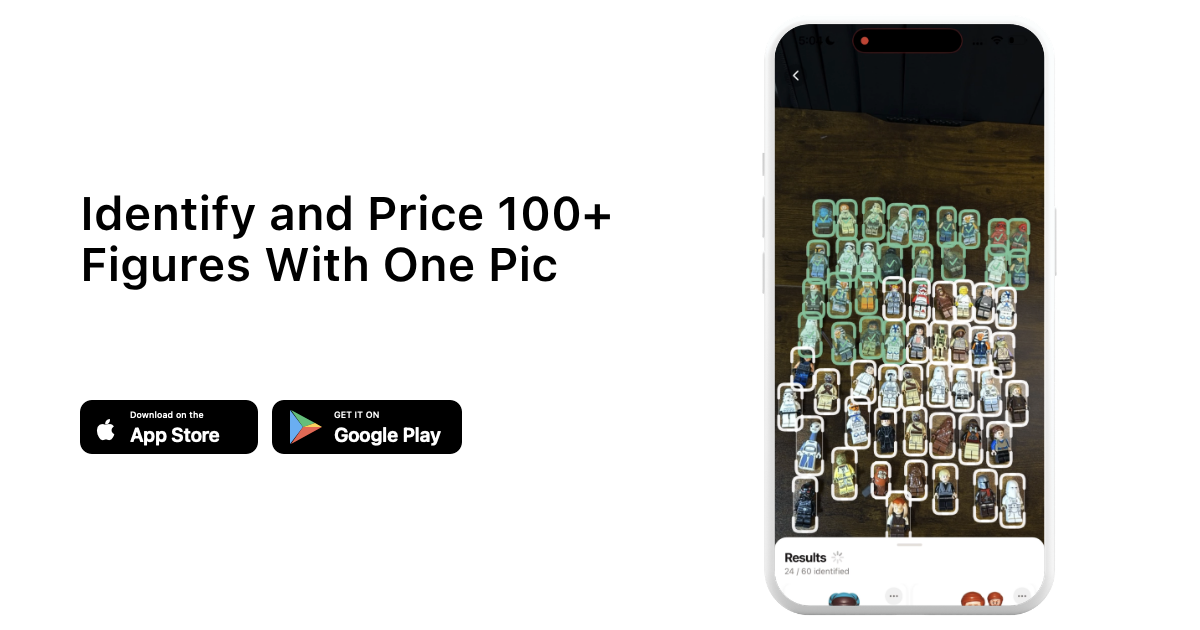
That mystery premium has started to shrink for newer waves, since tools that let buyers scan a sealed pack and identify the figure inside, including the brick'em app, make it easier to know what you're actually buying before you open it. That's good for buyers and good for sellers who want faster, more confident transactions, but it does change the pricing dynamics compared to older CMF series where nobody could tell what was inside until it was opened.
What About Modular Buildings and Icons Figures?
Modular Buildings and Icons sets are two of the most interesting long term categories because they're highly liquid but require real capital to get into, and I personally believe they'll keep climbing as the line matures. LEGO's Modular Buildings series started in 2007 with Cafe Corner, and the line has built a loyal, high spending collector base ever since.
The figures that come packaged with Modular and Icons sets tend to be a little illiquid on their own compared to Star Wars or Marvel, mostly because buyers are usually after the full set rather than the single minifigure. When they do sell individually, prices can swing based on how collectible the parent set has become, which is worth checking with a tool like the brick'em minifigure database before you price one out.
How Can You Track LEGO Price Volatility Before You Buy or Sell?
The most reliable way to track LEGO price volatility is to check sold listing history on BrickLink regularly, compare it against current Whatnot and eBay activity, and log your own inventory so you can see trends over time instead of guessing from memory. I use my own sales data from brick'em constantly, because what sold last month isn't always what will sell this month.
| Theme | Liquidity | Typical Volatility | Best Marketplace |
|---|---|---|---|
| Star Wars | Very High | Moderate | Whatnot, eBay |
| Marvel | High | Low to Moderate | eBay, Whatnot |
| Harry Potter | Low | Low (slow, occasional spikes) | BrickLink |
| Ninjago | High | Low to Moderate | Whatnot |
| Castle / Pirates | Moderate | High | eBay, Whatnot |
| City | High volume, low value | Very Low | Bulk lots |
| CMF | High | Moderate | LEGO.com, BrickLink |
| Modular / Icons | Moderate | Rising steadily | BrickLink, eBay |
If you want to go a step further, running your own numbers through a LEGO collection value calculator or a LEGO investment calculator before you commit real money to a theme is a lot smarter than going off gut feeling, especially with retired, nostalgia driven themes where a single bad buy can sit in a bin for months.
Resellers should use volatility data to decide how fast to turn inventory, not just what to buy. High volatility themes like Castle and Pirates can be worth holding for the right buyer, while low volatility, low value themes like City are better moved quickly in bulk rather than sorted figure by figure. I personally sort every bulk lot I buy within a day or two of getting it, because letting inventory sit is how a lot of sellers lose money without realizing it.
Platform fees matter here too, because they eat into how much of that volatility actually turns into profit. eBay's final value fee runs around 13 percent for most categories, and Whatnot's standard commission has generally been closer to 8 percent, though both change their fee structures over time, so always check current rates before you commit to a platform. My first Whatnot show had about 10 viewers and did just over $500 in sales, and five months later I had grown past 3,000 followers with more than $30,000 in total sales, almost entirely from volatile, character driven themes rather than steady, low value ones.
Heads up: This is not financial or legal advice. We're sharing what we've learned from the LEGO reselling community.
When I started reselling LEGO seriously, I didn't have a system for any of this. I was pricing everything off gut feeling and losing money on figures I held too long. Once I started logging sold prices by theme, the volatile themes basically pointed themselves out. If you're just getting started, I'd recommend doing the same thing manually before you lean on any tool, including ours, so you actually understand why the numbers move the way they do. You can read more reseller breakdowns like this one on the brick'em blog, and if you want help tracking and pricing inventory as you go, you can start your 14-day free trial to get started.
Frequently Asked Questions
Which LEGO minifigure theme is the most price volatile?
Castle and Pirates are generally the most price volatile LEGO minifigure themes because both are retired with fixed supply and rely on nostalgic, emotionally driven collectors. Prices for specific vintage figures can jump quickly when attention spikes, then settle back down once that specific demand cools off again.
Which LEGO theme holds its value most consistently?
Ninjago and Marvel tend to hold value most consistently among popular themes because both have broad, steady demand without relying on scarcity alone. City is also consistent, but it stays consistently low in value rather than consistently high, since new supply keeps entering the market every year.
Is Harry Potter a good LEGO theme to resell?
Harry Potter can be resold profitably, but it is not a fast or especially liquid theme, so it's usually overrated for beginners. In my experience it performs better on BrickLink's patient, search driven buyer base than on live platforms like Whatnot, where fast moving crowds often skip past it.
Why do Collectible Minifigures (CMF) swing in price?
CMF prices swing because a meaningful part of their value comes from the mystery of not knowing which figure is inside a sealed pack. As scanning tools make it easier to identify figures before opening them, that mystery premium has started shrinking for newer waves compared to older series.
How often should I check LEGO minifigure pricing data?
I check pricing data at least weekly for anything I'm actively buying or selling, and before any bigger purchase regardless of theme. A lot of sellers I know check less often and end up pricing off memory, which is exactly how you miss both the upside and downside of a volatile theme.