


The fastest way to get more Whatnot buyers selling LEGO is to combine a consistent show schedule with an engaging on-camera style, a clean buyer-facing setup, and active audience interaction, then reinforce all of it with a small boosted promotion spend near the start of each show. I've watched this exact combination take sellers from a handful of viewers to real, repeatable sales, and I've lived it myself starting with a show that only had about 10 people watching.
Whatnot rewards sellers who show up again and again more than it rewards any single "viral" show. In my experience, growth on Whatnot is closer to compounding interest than a lottery ticket. You build trust one show at a time, and buyers start coming back because they know when you're live and what you sell.
- Show consistency matters more than any single tactic on Whatnot.
- A small boosted promotion spend near the start of a show can help new viewers find you.
- Star Wars, Ninjago, and other character-driven LEGO themes tend to be the most liquid categories for live selling.
- Cross-promoting on Instagram and other channels can drive real buyers into your next Whatnot show.
- Pricing and identifying your lot before you go live keeps the show moving and keeps buyers engaged.
What Actually Gets You More Whatnot Buyers Selling LEGO?
More Whatnot buyers come from a consistent show schedule, an engaging selling style, a clean setup buyers can actually see, and active audience engagement, reinforced by a modest boosted promotion spend. None of these work in isolation. I've seen sellers nail one of these and still stall out because they ignored the other three.
Whatnot is a genuinely strong platform, and in my view there's a real reason it became one of the fastest-growing companies in live commerce. But growth takes time. I recommend treating your first month or two of shows as an investment in reputation, not a shortcut to profit.
Why Does a Consistent Show Schedule Matter So Much on Whatnot?
A consistent schedule matters because Whatnot buyers build habits around when their favorite sellers go live, and missed or irregular shows break that habit before it forms. From what I've seen, a seller who shows up every Tuesday and Saturday night builds an audience faster than one who streams randomly, even if the random streamer has better inventory.
Pick two or three days a week you can actually commit to long term, and stick to them even when a show is slow. My first Whatnot show only had around 10 people watching and did just over $500 in sales. It didn't feel huge, but it was the first data point in a pattern that kept repeating and growing.
How Do I Build an Engaging LEGO Show Buyers Want to Watch?
An engaging LEGO show comes down to asking your audience thoughtful questions, reacting to their comments in real time, and giving people a reason to stick around instead of just watching a silent auction. I personally never showed my face on camera, and I still grew to over 3,000 followers and past $30,000 in sales in about 5 months by focusing on interaction over production value.
Ask viewers what set they're chasing, what minifigure got them into collecting, or which theme they think is underrated. Every comment is a chance to keep someone in the show longer. There's also a real psychological hump around going live for the first time. I recommend pushing through that first show even if it's rough, because the second and third shows get noticeably easier.
Should You Spend Money on Whatnot Promoted Show Boosts?
Yes, a small promoted boost is worth testing once your basics are in place: I recommend budgeting around $20 per show on Whatnot's boosted promotion near the start of the stream to help new viewers discover you while you still have a full show ahead of you. Boosting a show that's about to end wastes most of the exposure.
Watch for Whatnot's no-seller-fee days too, since stacking a promoted show on a fee-free day can stretch your margin further. Whatnot has also raised a large Series F round and appears to be positioning itself for a future IPO, which in my view means the platform currently has strong incentive to let sellers keep more of what they earn. I expect those seller-friendly terms to shift over time as investor pressure increases, so it's worth checking Whatnot's current fee structure before you build a business model around today's numbers.
Heads up: This is not financial or legal advice. We're sharing what we've learned from the LEGO reselling community.
What LEGO Categories Bring in the Most Whatnot Buyers?
Character-driven, story-heavy LEGO themes with broad name recognition tend to pull in the most consistent Whatnot buyers, while generic or purely functional themes tend to move much more slowly. In my experience, buyers show up for characters they already love, not just plastic.
| Theme | Liquidity on Whatnot | Notes |
|---|---|---|
| Star Wars | Very high | Broad, beginner-friendly demand |
| Ninjago | Very high | Ongoing show keeps fandom active |
| Marvel | High, underrated | Big liquid market, less competition |
| Castle and Pirates | Moderate | Nostalgia-driven collectors, strong prices |
| City | Low | Figures rarely sell for much individually |
Collectible Minifigures also do well live because of the mystery factor, especially when they're still sealed. Check current listings on the official LEGO Minifigures theme page and compare pricing trends on BrickEconomy before you decide which lots to lead with in a show. Browsing the Whatnot LEGO category for a week is also one of the fastest ways to see which themes other sellers are moving right now.
How Can Off-Platform Content Bring Buyers to Your Whatnot Show?
Posting flips and teasers on Instagram or other social channels builds a warm audience that already trusts you before they ever click into a live Whatnot show. I've seen an Instagram story sell $700 worth of LEGO to three different buyers in about 20 minutes once real trust was established, and that same trust translates directly into Whatnot viewers.
A longer-term tactic I use is spending time in bigger Whatnot sellers' streams, engaging meaningfully in chat, and following them on Instagram afterward. When a well-known seller follows back, it signals credibility to buyers checking out your profile for the first time. Building a network this way takes patience, but it compounds the same way show consistency does.
Where Should You Source LEGO Inventory for Whatnot Shows?
Bulk lots from Facebook Marketplace, garage sales, and even BrickLink store buyouts tend to give Whatnot sellers the cheapest inventory relative to resale value. A seller I know builds most of their show inventory by buying discounted bulk lots and sorting the winners from the filler before ever going live.
Browsing Facebook Marketplace for people clearing out old bins is a reliable way to source cheap lots, though I always recommend meeting in a safe public location, like a police station parking lot, for larger cash transactions. Once you've got a lot home, identifying and pricing everything before the show keeps your stream moving instead of stalling out while you look up values on camera. Running a haul through brick'em's haul calculator before a show tells you roughly what a bin is worth before you commit shelf space and prep time to it. If a piece doesn't fit your Whatnot show, it's often still a fast seller listed individually on eBay's LEGO minifigures marketplace instead.
What Mistakes Keep New Whatnot LEGO Sellers From Growing?
The biggest mistakes are inconsistent show scheduling, a messy or hard-to-see setup, ignoring chat comments, and pricing everything at full market value with no room for a Whatnot-specific deal. I noticed early on that even small setup issues, like bad lighting or a shaky camera angle, quietly cost sales because buyers couldn't tell what they were bidding on.
- Skipping shows instead of pushing through a slow one
- Not asking the audience questions or reacting to comments
- Going live with unpriced, unsorted inventory
- Ignoring boosted promotion entirely once the basics are solid
- Expecting profit in the first few shows instead of building an audience
New sellers should expect a real learning curve, and it's normal to lose a little money on early shows while you build a customer base. I learned that the hard way and it still paid off within a few months.
How Long Does It Take to Grow a Whatnot LEGO Audience?
Most sellers should expect several months of consistent shows before Whatnot growth feels explosive, though the exact timeline depends heavily on show frequency, engagement, and niche. I reached 3,000-plus followers and over $30,000 in sales in about 5 months, and I still consider that a fast outcome rather than the norm.
In my view, Whatnot is one of the best platforms for a beginner precisely because the upside is so large. A seller who builds real audience momentum can potentially move from casual hobby selling to 20,000-plus followers and sell items well above typical market value within a year. That outcome isn't guaranteed, but it's realistic for sellers who treat show consistency as non-negotiable.
How Does brick'em Fit Into Growing a Whatnot Show?
brick'em helps because the time you save identifying and pricing your LEGO lot ahead of time is time you get back for actually being engaging on camera during the show. I built brick'em around this exact problem after seeing how much prep work slows sellers down before they even go live.
Scanning a bulk lot of minifigures against brick'em's minifigure database before a show means you already know what you're holding up, what it's roughly worth, and which pieces deserve the most airtime. When your inventory is already sorted and priced, you can spend the entire show talking to buyers instead of hunting for values, which is exactly the kind of active engagement that grows a Whatnot audience faster. If you're weighing whether a big sealed lot is worth building a whole show around, brick'em's collection value calculator gives you a quick read before you commit airtime to it.
Frequently Asked Questions
Do I need to show my face to grow a Whatnot LEGO audience?
No, showing your face is not required to grow on Whatnot. I personally grew past 3,000 followers and $30,000 in sales without showing my face on camera, relying instead on engaging commentary, thoughtful audience questions, and a clean view of the inventory itself.
How much should I spend on Whatnot promotion per show?
I recommend starting around $20 per show on Whatnot's boosted promotion, spent near the beginning of the stream so new viewers have time to discover you and stay. Confirm current promotion pricing and options in your Whatnot seller dashboard, since platform tools and costs can change.
Which LEGO themes get the most Whatnot buyers?
Character-driven themes like Star Wars, Ninjago, and Marvel tend to attract the most consistent Whatnot buyers because of broad name recognition and story-based collector demand. Slower-moving themes like standard City sets typically bring in far fewer bids and lower per-item prices.
Is Whatnot worth it for a brand-new LEGO seller?
Yes, in my view Whatnot is one of the best starting platforms for a new LEGO seller because of its high upside for sellers who build show consistency and audience engagement. Expect a learning curve and some early losses, but the long-term growth ceiling is significant for sellers who stick with it.
What should I do before going live to sell more on Whatnot?
Sort and price your inventory in advance so you aren't scrambling for values mid-show, and plan a few questions to ask your audience to keep chat active. A quick pass through brick'em's signup flow lets you scan and price a lot ahead of time so the entire show can focus on selling instead of research.
What Do These LEGO Selling Platforms Look Like?
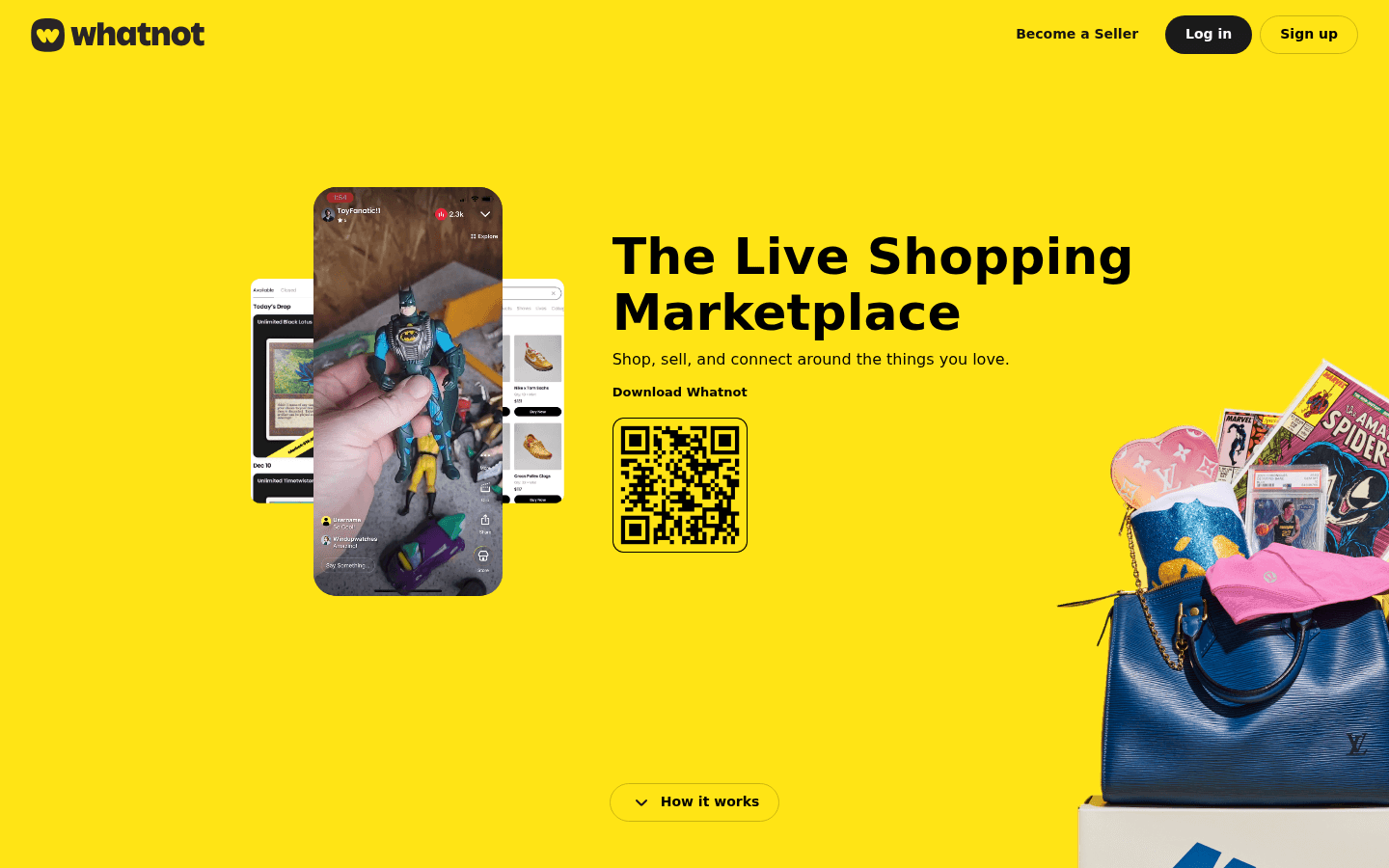
Before choosing where to sell, it helps to see the difference between a live-selling marketplace, a broad search marketplace, a LEGO-native catalog, and a social or local channel. These screenshots are visual references only. Platform interfaces, fees, and rules can change.
CTA(Identify%20and%20Price%20100%2B%20Figures%20With%20One%20Pic).png)

