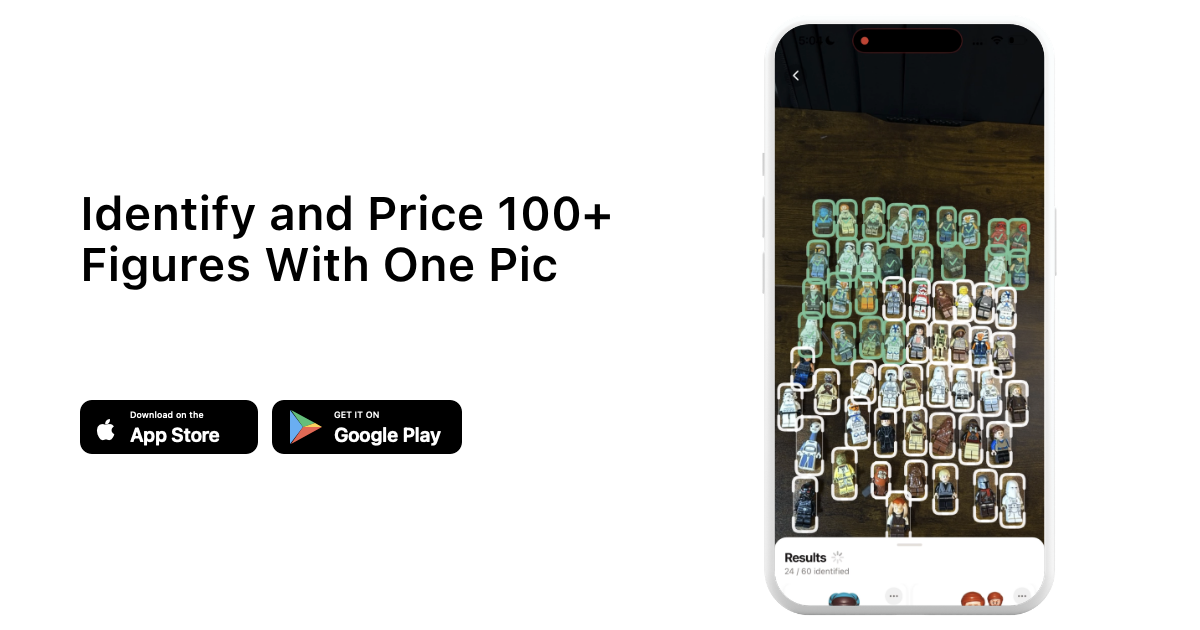


If you're trying to decide whether to sell LEGO minifigures individually or in bulk lots, here's the direct answer: selling individually almost always brings in more total money, but it takes far more time, and lots sell faster with a lot less listing work. In my experience running a LEGO resale business, the right call depends on how much time you actually have, how patient you are with slow moving inventory, and whether you need cash now or can wait for the right buyer.
I've sold minifigures both ways for years, and I've learned there's no single right answer. A rare Star Wars figure deserves its own listing. A box of 200 mixed City figures almost never does. This post walks through the real tradeoffs, the platforms where each approach works best, and a simple framework you can use to sort your own inventory.
Key takeaways:
- Individual listings generally produce higher total revenue per figure, especially for rare or character driven minifigures.
- Bulk lots trade margin for speed. You give up money to save hours of work.
- Platform choice matters. BrickLink favors individual sales, Whatnot and eBay can move lots fast.
- Most resellers do best with a hybrid approach: pull the valuable figures out, lot the rest.
Why Does This Question Matter for LEGO Resellers?
This question matters because it determines how you spend your limited listing time, and listing time is the real bottleneck in LEGO reselling, not sourcing. When I started, I listed everything individually and burned entire weekends photographing figures worth two or three dollars each. I learned fast that not every figure deserves that treatment, and sorting out which ones do is the whole game.
Minifigures are also one of the few LEGO categories where the gap between "best case" and "average case" pricing is enormous. A common city figure might sell for a dollar or two. A rare licensed figure from a popular theme can sell for well over a hundred dollars. That spread is exactly why the individual versus lot decision is worth thinking through carefully instead of defaulting to one method for everything.
Do LEGO Minifigures Sell Better Individually or in Lots?
Individually, minifigures almost always sell for more money in total, but lots sell faster and need almost no per item work. From what I've seen, a lot of fifty mixed figures might sell as a bundle for an amount that looks reasonable in one transaction, while those same fifty figures, sorted and listed one by one, could realistically bring in two to four times as much if even a handful turn out to be valuable theme or character figures.
The catch is time and risk. Listing fifty figures individually means fifty photos, fifty descriptions, and fifty chances that something sits unsold for months. A lot sells in one shot, usually within days, especially on a platform built for fast turnover like Whatnot or eBay. I personally use lots as a cash flow tool and individual listings as a profit tool, and I treat them as two different parts of the same business rather than competing strategies.
What Does Selling Minifigures Individually Actually Involve?
Selling individually means identifying each figure, checking its current market value, photographing it clearly, writing an accurate description, and listing it on a platform where buyers search for that specific character. This is the slow path, but it's the path that captures the real value hiding in a pile of mixed inventory, because pricing a figure correctly is where most of the money actually comes from.
In my experience, identification is the part people underestimate. A figure that looks generic can be a variant worth real money, and a figure that looks exciting can be a common reprint worth almost nothing. I recommend running your inventory through a proper minifigure database before you price anything, because guessing by eye is how sellers leave money on the table or, just as often, overprice common figures and watch them sit unsold.
BrickLink is the platform most built for this. It's where serious buyers and builders go looking for a specific figure, and it's widely treated as the reference point for LEGO pricing, almost like the Wall Street of LEGO. The tradeoff is that BrickLink buyers are price sensitive, and most listings sit at or just below the going market rate rather than above it.
What Does Selling Minifigures in Bulk Lots Actually Involve?
Selling in bulk lots means grouping figures by theme, condition, or quantity and selling them as one listing, which trades per unit profit for speed and simplicity. This works well when you have a large volume of lower value figures, limited time to list everything individually, or inventory you want off your shelves to free up cash for the next source haul.
I noticed early on that bulk lots perform best when there's a clear organizing theme buyers can picture, like "fifty assorted City minifigures" or "Star Wars lot, twenty figures, mixed condition," rather than a random grab bag with no description. Buyers of lots are often other resellers themselves, people who plan to re-sort and re-list the good figures individually, so they're doing the same math you are, just one step removed.
eBay and Facebook Marketplace both move lots well because buyers there are comfortable with "mystery value" purchases. A seller I know sells almost nothing but bulk lots on Facebook Marketplace because it avoids platform fees entirely and the local pickup model fits lower value bulk inventory better than shipping would.
How Do BrickLink, eBay, and Whatnot Compare for Minifigure Sales?
BrickLink works best for individually priced figures sold at or near market rate, eBay works well for both individual rare figures and bulk lots thanks to its huge buyer pool, and Whatnot works best for live, engaged selling of individual figures where storytelling and personality drive the sale price up. Each platform rewards a slightly different selling style, so matching your inventory to the right platform matters as much as the individual versus lot decision itself.
I've sold over $100,000 worth of LEGO through eBay over the years, and the biggest lesson is that promoted listings can eat into margin fast, sometimes pushing your effective take rate close to a quarter of the sale price once fees and promotion costs are added up. Even with that cost, eBay puts a listing in front of a massive buyer pool, and in a strong niche like LEGO minifigures, pricing thirty to fifty percent below current market tends to move a figure within a day or two.
Whatnot is different. My first ever Whatnot show had only about ten people watching, and it still did over $500 in sales, which felt like a big deal at the time. Within about five months of consistent shows I'd grown to over 3,000 followers and more than $30,000 in total sales, without ever showing my face on camera. Live selling rewards engagement and consistency more than any other factor, and it's one of the few places where a seller can get buyers to pay above typical market value for the right figure.
Heads up: This is not financial or legal advice. We're sharing what we've learned from the LEGO reselling community.
Pricing swings fast in this hobby, so whatever numbers you're working from, verify current sold prices before you commit to a strategy. A figure that sold well last year might be common today, and vice versa.
When Should You Break a Lot Apart Instead of Selling It Whole?
Break a lot apart whenever a quick scan turns up figures from high demand themes, since pulling even a few valuable pieces out of a mixed lot and selling them individually usually nets more than the entire lot would have sold for as a bundle. Star Wars, Marvel, and Collectible Minifigures tend to be the categories worth this extra sorting step, because they carry built in character demand that common City or generic theme figures simply don't have.
Here's a simple way I sort when a new bulk haul comes in:
- Scan the whole lot first and flag anything from a high demand theme before touching pricing.
- Pull out anything that looks unusual, limited, or promotional, even if you don't recognize it yet.
- Price the standout figures individually on BrickLink or list them on Whatnot for a show.
- Bundle the remaining common figures into a themed lot and move it quickly on eBay or Facebook Marketplace.
I use this same process every time I sort a new haul, and it consistently outperforms selling everything the same way. A lot of sellers skip the sorting step because it feels slower upfront, but in my view it almost always pays for the extra time within the first few figures you pull out.
Individual vs Lot Selling: A Quick Comparison
| Factor | Selling Individually | Selling in Lots |
|---|---|---|
| Typical total revenue | Higher, especially for rare figures | Lower, but predictable |
| Time per figure | High (photo, ID, price, list) | Very low |
| Best platforms | BrickLink, Whatnot | eBay, Facebook Marketplace |
| Best for | Rare, licensed, character figures | Common, mixed, bulk inventory |
| Risk | Slower sell through on niche figures | Leaving value on the table |
What's the Smartest Strategy for Most LEGO Resellers?
The smartest strategy for most resellers is a hybrid one: sort every new haul first, pull out the figures from strong themes and sell those individually, then lot the rest for a fast sale. This isn't an either or decision, and treating it that way is probably the single biggest mistake I see newer sellers make when they're starting out.
I started out doing everything individually because it felt like the "right" way to maximize profit, and I learned the hard way that my time has a cost too. Once I started lotting the common stuff and only hand pricing the figures worth the effort, both my revenue per hour and my overall profit went up, because I was spending my limited listing time on the figures that actually justified it.
If you're just getting your sorting process set up, I recommend running new hauls through a proper identification and pricing workflow before you decide what goes individual and what goes into a lot, so you're not guessing. You can also run a prospective haul through a haul calculator to get a sense of what a box of mixed LEGO is actually worth before you even buy it, which helps you negotiate sourcing deals with more confidence.
For sellers thinking about this more like a long term collection than a flip, it's worth tracking total value over time rather than figure by figure. A collection value calculator can help you see the bigger picture across everything you're holding, which matters if you're deciding how much to sell now versus hold for later.
Frequently Asked Questions
Is it better to sell LEGO minifigures individually or as a lot?
It depends on the figures. Individually priced sales typically bring in more total money, especially for rare or character driven figures, while lots sell faster with far less listing work. Most experienced resellers use both, pulling out valuable figures first and lotting the rest for speed.
How do I know if a minifigure is worth selling individually?
Check whether it comes from a high demand theme like Star Wars, Marvel, or Collectible Minifigures, since those carry character driven demand. Running it through a minifigure database before pricing helps confirm whether it's a common variant or something genuinely worth listing on its own.
What's the fastest way to sell a bulk LEGO minifigure lot?
eBay and Facebook Marketplace tend to move bulk lots quickest, since buyers on those platforms are comfortable with mixed, unsorted inventory. Pricing a lot thirty to fifty percent below perceived market value also tends to speed up a sale considerably.
Do rare minifigures sell for more on BrickLink or Whatnot?
Both can work well, but they reward different things. BrickLink tends to reflect steady market rate pricing since buyers there compare listings directly, while Whatnot can push prices above typical market value through live engagement, especially for figures with strong visual or character appeal.
Should beginners start with individual listings or bulk lots?
Beginners often do better starting with lots while they build up identification skills, since lots require less pricing knowledge upfront. As you get more comfortable spotting valuable figures, shifting the best pieces into individual listings is usually where the real profit growth comes from.