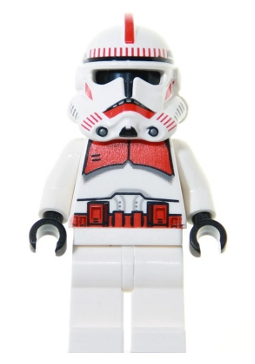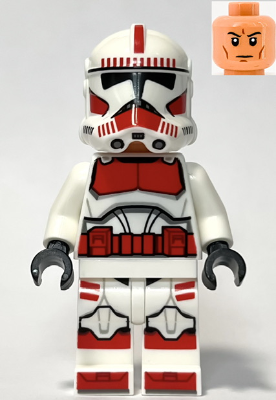

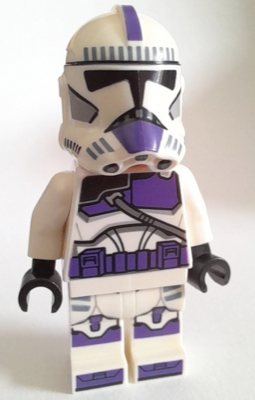
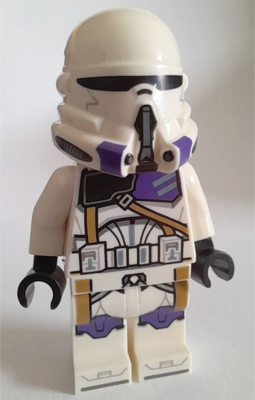
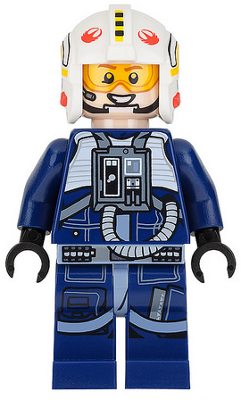

A misidentified minifigure is a mispriced listing. Price a $45 clone commander as the $4 trooper that looks almost identical and you just donated $41 to a stranger on eBay. Do that twice a week and the free scanner app you picked becomes the most expensive tool in your business.
So we stopped guessing. We took 100 minifigures from a working reseller inventory and ran the same figures through four scanner apps LEGO sellers actually use: brick'em, BrickScan, Brickify, and WhatFig. One photo per figure, one attempt per app, no retries. Here is exactly what happened.
What is the most accurate LEGO minifigure scanner?
brick'em is the most accurate LEGO minifigure scanner in our July 2026 benchmark, identifying 98 of 100 minifigures correctly. BrickScan scored 85%, Brickify 73%, and WhatFig 58%. Every app scanned the same 100 figures, and a scan only counted as correct when the top result was the exact figure.
A 13-point gap between first and second place sounds abstract. It is not. At 98%, a bin of 100 figures leaves you 2 manual lookups. At 85%, you are searching BrickLink 15 times. At 58%, the scanner is barely doing half the job.
How we ran the test
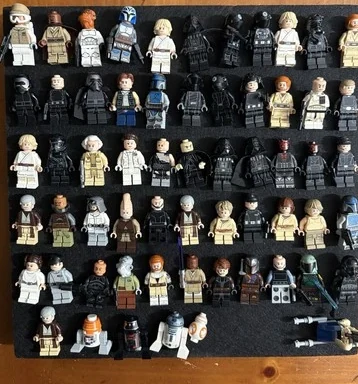
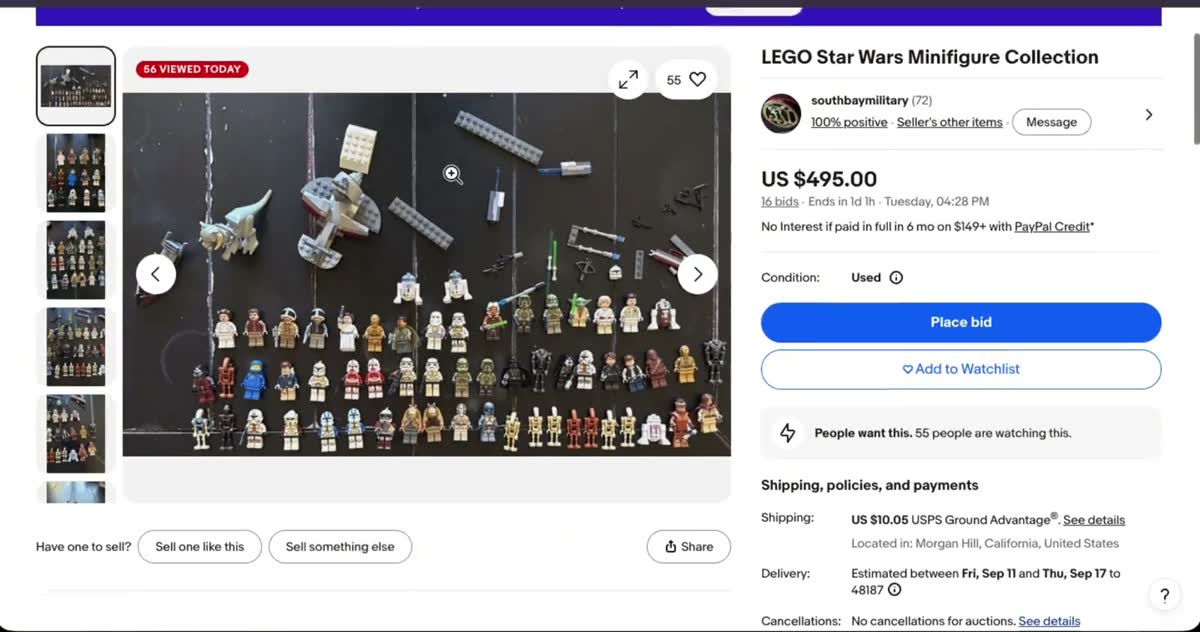
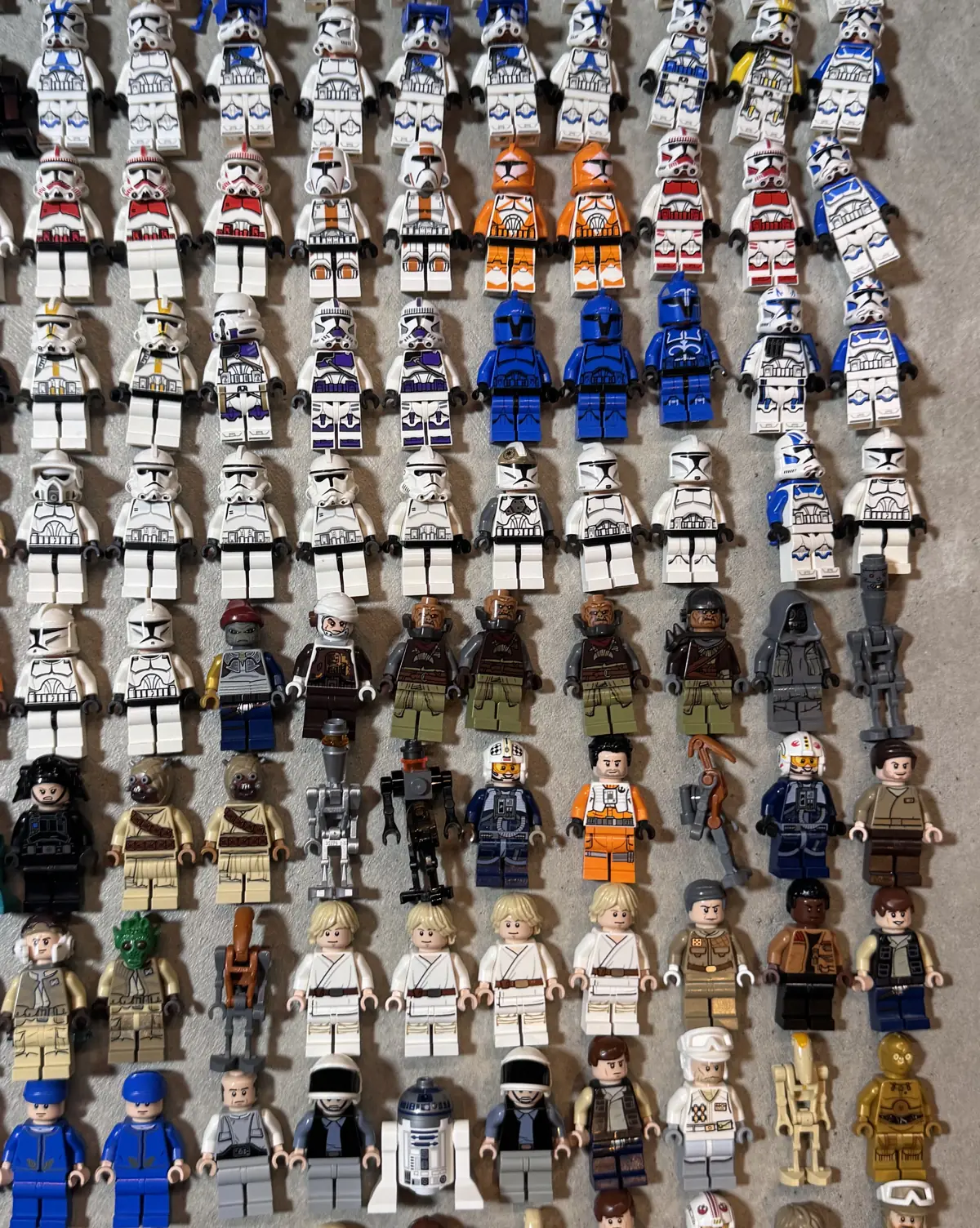
We wanted the test to look like a real sorting session, not a lab demo. The 100 figures came straight from active reseller inventory:
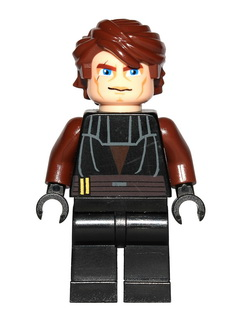
- Licensed themes: Star Wars, Marvel, and Harry Potter figures, including several near-identical clone and trooper variants
- Collectible Minifigures: CMF figures from multiple series, scanned without their accessories
- Core themes: City and Ninjago figures, the bread and butter of bulk lots
- Real condition: a mix of minty display figures and played-with figures with worn torso prints
The rules were strict. Same figure set for every app. One scan attempt each. The top result had to be the exact figure, so calling a variant the base figure counted as a miss. Variants are where the money is: some differ by a single line of torso print and a $40 price gap.
The full results: LEGO minifigure scanner accuracy compared
| Scanner | Correct IDs (of 100) | Accuracy |
|---|---|---|
| brick'em | 98 | 98% |
| BrickScan | 85 | 85% |
| Brickify | 73 | 73% |
| WhatFig | 58 | 58% |
Some fairness is due here. All four apps handled clean, common, licensed figures well. Scan a mint Darth Vader in good light and everyone gets it. The gap opened in three places: variants, worn prints, and older or obscure figures.
brick'em missed 2 of 100. Both were heavily worn figures where the torso print was more scratch than ink. We are not going to pretend any camera can read a print that is no longer there.
Is brick'em better than BrickScan?
Yes. On the same 100 minifigures, brick'em identified 98 correctly and BrickScan identified 85. The 13-point gap came almost entirely from variant detection and worn figures. BrickScan handled clean licensed figures well but returned base figures where variants mattered, and variants are where resale value hides.
For a casual collector scanning a shelf of display figures, either app gets the job done most days. For a reseller, those 13 points are the difference between 4 manual lookups per show and 30. And the figures a scanner misses are rarely the $3 commons. They are the variants and oddballs, which are exactly the figures worth the most.
Why do LEGO scanners misidentify minifigures?
LEGO scanners misidentify minifigures for four main reasons: near-identical variants that differ by tiny print details, worn or scratched torso prints, poor lighting and glare on glossy plastic, and database gaps on newly released figures. Variant confusion is the most expensive failure because variants often carry very different prices.
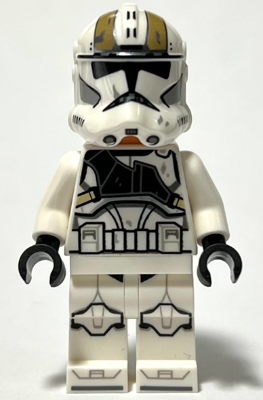
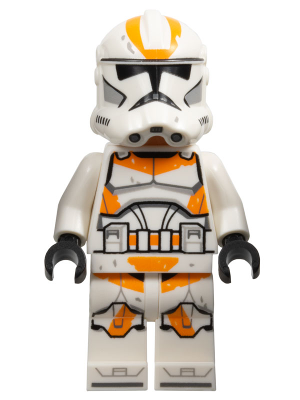
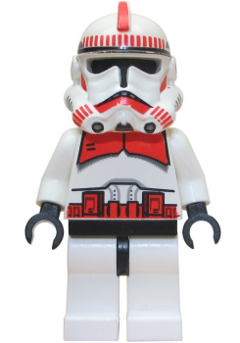
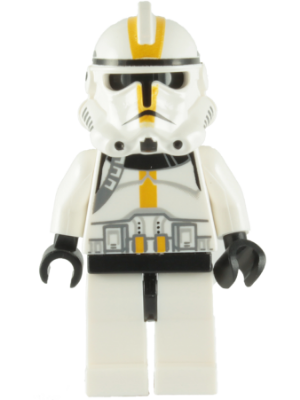
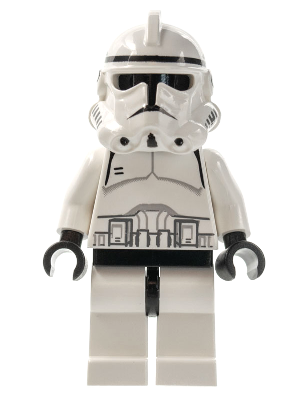
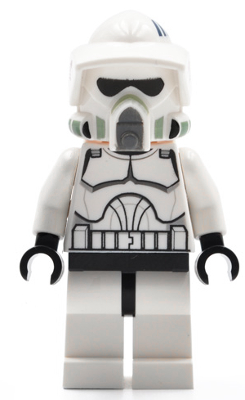
The variant problem deserves its own paragraph. Take the classic example every Star Wars seller knows: early clone trooper variants that differ by a helmet mold or a few millimeters of print. Get the ID wrong and your listing is off by an order of magnitude in either direction. Overprice it and it sits. Underprice it and someone snipes it in an hour, and they knew exactly what they were buying.
brick'em tip: accuracy compounds in bulk. brick'em scans 100+ figures in one session and prices each one against BrickLink's 6-month sold average as it identifies them, so a miss is something you catch in seconds, not something you discover after the sale. Try it free.
What does 98% accuracy mean at volume?
Percentages hide the real cost, which is time. A manual lookup means squinting at a torso print, guessing search terms, and scrolling a catalog. Call it two minutes per figure when it goes well.
Now run a 200-figure Whatnot show through each accuracy tier. At 98%, you do 4 manual lookups, roughly 8 minutes of cleanup. At 85%, you do 30 lookups, an hour of unpaid catalog work. At 58%, you do 84 lookups and you have stopped being a seller and become a search engine operator.
That is the whole argument for caring about accuracy. Nobody buys a scanner to scan. They buy it to list faster, and every miss is a toll on the way to the listing.
Minifigures are also only half the job. We ran the same head-to-head benchmark on LEGO parts, where the accuracy spread was even wider. See the full LEGO parts scanner accuracy test for those results.
Frequently asked questions
How accurate are LEGO minifigure scanner apps?
Accuracy ranges widely. In our July 2026 test of 100 identical minifigures, results ran from 58% to 98% depending on the app. Clean, common figures scan reliably almost everywhere. The difference shows up on variants, worn prints, and newly released figures, which is exactly where resellers need accuracy most.
Is brick'em better than Brickify?
In our benchmark, yes. brick'em identified 98 of 100 minifigures and Brickify identified 73. Brickify's misses concentrated on variants, where it tended to return the base figure instead of the exact one. At bulk volume, that 25-point gap means roughly 25 extra manual lookups per 100 figures.
Is WhatFig accurate for identifying LEGO minifigures?
WhatFig identified 58 of 100 minifigures in our benchmark, the lowest score of the four apps tested. It handled clean, common figures but struggled with worn prints and licensed variants. At 58% accuracy, nearly half of a bulk lot still needs manual identification after scanning.
Can LEGO scanners tell apart minifigure variants?
The best ones can, most of the time. Variant detection was the single biggest separator in our test. Variants can differ by one torso print line or helmet mold while carrying dramatically different values, so a scanner that returns the base figure instead of the variant can misprice a listing by $30 or more.
How many minifigures can you scan at once?
It depends on the app. brick'em scans bulk lots of 100+ minifigures in a single session and prices each figure from BrickLink's 6-month sold average as it goes. Sellers we know prelist entire Whatnot shows in about an hour this way instead of two to three hours per 200 figures.
Run your own test
Do not take our word for it. Grab the 10 hardest figures in your inventory, the worn ones, the variants, the weird 2003 sports figures, and scan them yourself.
Ready to move faster? brick'em scans your minifigures, pulls live BrickLink prices, and tracks your inventory. Start free today. Create your account.