

If you sell LEGO for a living or even just on the side, a return or refund request is going to land in your inbox eventually. From what I've seen running brick'em and selling LEGO myself, the sellers who handle returns calmly and with good documentation keep their accounts healthy and their buyers coming back. The sellers who panic or get defensive end up with bad feedback, forced refunds, and sometimes a suspended account. Handling LEGO returns and refunds well means having a clear policy, documenting your inventory before it ships, and knowing how eBay, BrickLink, and Whatnot each treat seller protection differently.
In my experience, most return disputes in the LEGO space come down to three things: missing pieces, a buyer claiming the item wasn't as described, or straight up return fraud where a buyer swaps or damages a piece and sends it back for a refund. The good news is that almost all of these are preventable or at least defensible if you document what you shipped.
- Write a specific, visible return policy on every listing, not just a platform default.
- Photograph and, where possible, scan or log every minifigure and set before you box it.
- Know each platform's buyer protection rules before you list, because eBay, BrickLink, and Whatnot are not the same.
- Respond fast and factually to disputes. Silence almost always loses the case for the seller.
- Keep your documentation for at least as long as the platform's dispute window.
What Should a LEGO Seller's Return Policy Actually Say?
A good return policy spells out the return window, who pays return shipping, and what condition the item must be in to qualify, and it should say this in plain language on every listing rather than relying on a platform's generic default. I recommend writing your own version instead of copying the boilerplate, because buyers trust specifics. Something like "returns accepted within 14 days if the item is unopened and all pieces listed are present" tells a buyer exactly where they stand and gives you something concrete to point back to if a dispute opens.
I personally spell out piece counts and condition in the listing itself, not just in a separate policy page. If a set is missing a piece or two, I say so up front. Buyers who know what they're getting rarely open disputes over it later. A vague policy is almost worse than no policy, because it gives a platform's dispute team nothing to side with you on.
How Do eBay, BrickLink, and Whatnot Handle LEGO Returns Differently?
eBay leans heavily toward the buyer, BrickLink leans toward documented seller terms, and Whatnot sits somewhere in between with live-selling specific protections, so the platform you choose changes how much return risk you're carrying. I've sold over $100,000 worth of LEGO on eBay over the years, and eBay's buyer protection is strong enough that a determined buyer can usually get a refund even against a stated no-returns policy if they claim "item not as described."
BrickLink works differently. Sellers set their own terms in their store policy, and the BrickLink dispute process generally expects both sides to have communicated first before escalating. Whatnot's live format means a lot of condition questions get answered on camera during the show, which actually reduces "not as described" disputes compared to static listings, but you still need photos and a clear policy for anything sold after the live show ends. In my view, if you're new, assume eBay will side with the buyer more often than not, and price and document accordingly.
How Do You Handle a Wrong Item or Not-as-Described Claim?
When a buyer says they got the wrong minifigure, the wrong set, or a part that doesn't match the listing, ask for photos immediately and compare them against your own pre-shipping documentation before agreeing to anything. In my experience, most "wrong item" claims on LEGO orders are genuine mistakes during picking, especially with similar-looking minifigures from the same theme, but a smaller share are buyers trying to swap in a damaged or cheaper piece.
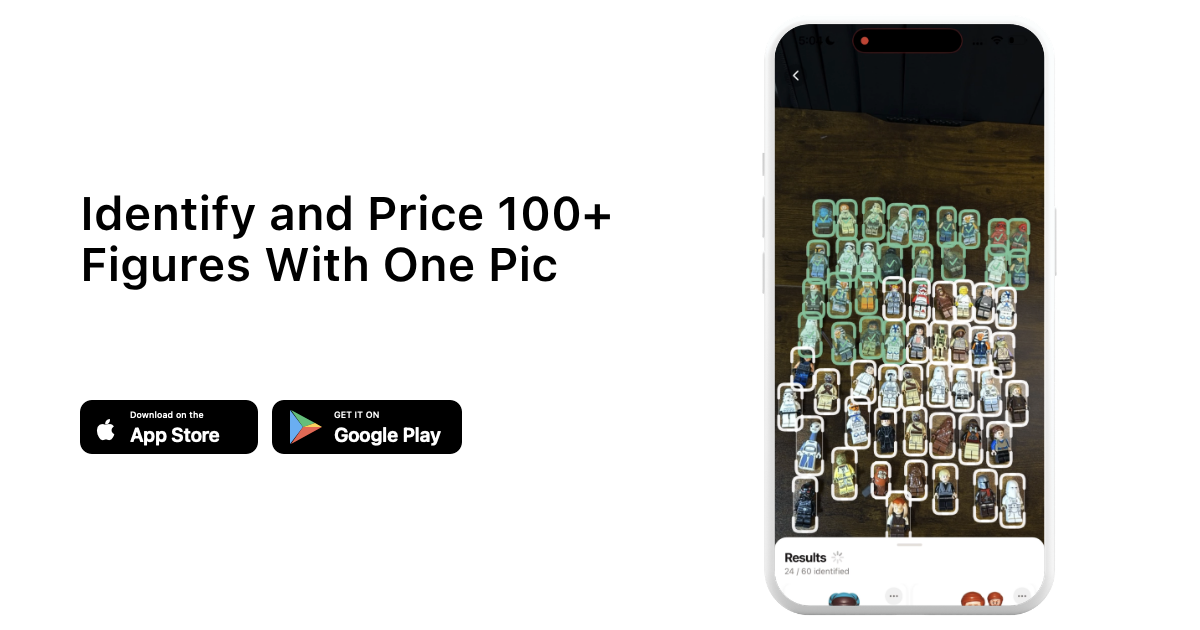
This is where having your own records matters most. If you scanned or logged the exact minifigure before it shipped, you can compare torso, legs, and accessory details against what the buyer is showing you. I use brick'em's minifigure database to confirm exact figure details before I box anything, which has saved me from a few "that's not what I ordered" disputes where the buyer was simply unfamiliar with a close variant.
What's the Right Way to Respond to a Damaged LEGO Return?
Ask for timestamped photos of the damage and the shipping box, then compare the damage pattern against how you packed it, because genuine shipping damage and buyer-caused damage usually look different once you know what to look for. Cracked clear pieces, bent stickers, or crushed box corners that match a rough transit scan are usually legitimate. A snapped minifigure accessory or a part that looks deliberately separated is a different story.
A seller I know in the Whatnot LEGO community told me she started photographing every sealed set from all four sides plus the shipping label right before sealing the box, specifically because of a damaged-return dispute she lost without proof. That one habit changed her win rate on damage claims almost completely. It takes an extra thirty seconds per package and it's worth it.
How Can You Protect Yourself From Return Fraud?
Return fraud in LEGO reselling usually shows up as a buyer swapping a genuine rare minifigure for a bootleg or damaged one, or claiming an item never arrived when tracking shows delivery, so your best defense is documentation that exists before the item ever leaves your hands. I started weighing packages before sealing them on anything over a certain value, because a mismatched return weight is hard for a buyer to explain.
From what I've learned, platforms will generally side with sellers who can show clear before-and-after evidence, but they will almost never side with a seller who has nothing. Keep your proof of authenticity, your weight, your photos, and your shipping receipt together for each order, and keep them past the return window, not just until the sale clears.
| Platform | Typical Return Leaning | Best Seller Defense |
|---|---|---|
| eBay | Buyer-favored, especially on "not as described" claims | Detailed listing photos and condition notes |
| BrickLink | Seller terms matter, but communication is expected first | Clear store policy plus message history |
| Whatnot | Live show reduces description disputes | On-camera condition reveal plus post-show photos |
| Facebook Marketplace | Informal, mostly local, no platform refund system | In-person inspection before money changes hands |
| Mercari | Buyer-favored similar to eBay | Photos of every included piece before shipping |
Should You Offer Refunds on Incomplete or Missing-Piece Sets?
Yes, but only partial refunds proportional to what's actually missing, and only after you and the buyer agree on exactly which pieces aren't there, because a full refund on a set that's 95% complete is rarely fair to you as the seller. I recommend offering a partial refund calculated against the missing piece's individual value rather than refunding the whole order, especially on bulk lots and used sets where incompleteness is common and expected.
If you're regularly selling incomplete sets, it's worth running the numbers through brick'em's collection value calculator before you quote a refund amount, so you're offering something proportional instead of guessing. Buyers respond much better to a specific, calculated partial refund than a round number pulled out of thin air.
How Do You Document Items Before You Ship to Avoid Disputes?
Documenting an item before shipping means photographing it from multiple angles, logging piece counts for sets, and keeping a record tied to the specific order, done consistently enough that you have proof ready the moment a dispute opens rather than scrambling after the fact. I noticed my dispute response time, and win rate, improved dramatically once documentation became a fixed step in my packing process instead of something I only did for expensive items.
For bulk lots and bigger hauls, I log everything through brick'em's haul calculator when I'm sorting, which doubles as a record of what went into a lot before I split it up and shipped pieces to different buyers. When something later gets questioned, I can point to a specific entry instead of relying on memory.
What Does Good Seller Customer Service Look Like During a Dispute?
Good customer service during a LEGO return dispute means responding within hours, not days, staying factual instead of defensive, and offering a reasonable middle option before the buyer escalates to the platform, because most buyers open a dispute out of frustration rather than malice. I learned this the hard way early on, when I let a dispute sit for two days while I gathered proof, and the buyer escalated straight to eBay before I ever replied.
Now I reply the same day, even if it's just to say "I see your message, let me pull my records and get back to you by tomorrow." That alone tends to calm down most buyers and buys you time to actually check your documentation before committing to a resolution.
Heads up: This is not financial or legal advice. We're sharing what we've learned from the LEGO reselling community.
Pre-Shipping Documentation Checklist
- Photograph the item from at least four angles, including any included accessories.
- Log piece counts for sets, or scan minifigures individually for identification.
- Weigh the package before sealing if the item is high value.
- Photograph the sealed box and the shipping label together.
- Note the exact condition language used in the listing, saved alongside the order.
- Keep all of the above for at least as long as the platform's dispute window, longer if possible.
Frequently Asked Questions
Do I have to accept returns on LEGO I sell as "used, as is"?
On most platforms, "as is" language reduces but doesn't eliminate your return risk, because buyer protection programs on eBay and Mercari can still allow a refund for items not as described regardless of your listing wording. BrickLink and in-person Facebook Marketplace sales give your stated terms more actual weight.
How long should I keep shipping documentation for a LEGO order?
I keep photos, piece logs, and shipping receipts for at least 90 days past delivery, which covers most platform dispute windows with room to spare. For higher value minifigures or sealed sets, I hold onto that documentation even longer, just in case a buyer resells the item and a dispute surfaces later.
What's the fastest way to prove a minifigure is the one I actually shipped?
A timestamped photo taken right before boxing, compared against the specific figure's known variant details, is usually enough. I run figures through brick'em's minifigure database before shipping so I have an exact match on record, not just a general description.
Should I refund shipping costs on a legitimate LEGO return?
That depends on the platform and the reason for the return. If the item was legitimately not as described or arrived damaged, most sellers I know refund shipping along with the item cost. If the buyer simply changed their mind and the listing was accurate, original shipping is often non-refundable.
Can a buyer return a LEGO set after swapping out the rare minifigure inside?
This happens, which is exactly why documenting piece counts and specific minifigure details before shipping matters so much. If your pre-shipping photos clearly show the original minifigure and the returned item doesn't match, you have real grounds to contest the return through the platform's dispute process.