

If you're wondering what you actually need before you sell your first LEGO set or minifigure, the short answer is this: starter inventory, a way to identify and price what you have, an account on at least one marketplace, basic packing supplies, and a simple system for tracking what sold and what didn't. Everything else is optimization you can add later.
I've been buying and selling LEGO for years now, and I still remember how overwhelming the first week felt. There's no single "right" way to start, but there is a wrong way, which is trying to do all five platforms, three storage systems, and a full accounting spreadsheet before you've sold a single minifigure. I started small, made plenty of mistakes pricing things, and slowly built the checklist below from what actually mattered.
- You don't need a huge budget. Many sellers I know started with under $200 in inventory.
- Identification and pricing accuracy matter more than which platform you pick first.
- BrickLink, eBay, Whatnot, Facebook Marketplace, and Mercari each serve a different kind of buyer.
- A basic shipping and listing system saves hours once you're moving more than a few items a week.
- Tracking your numbers from day one makes tax season and reselling decisions much easier later.
What Do You Actually Need Before You Start Reselling LEGO?
You need four things before your first sale: a small batch of starting inventory, a reliable way to identify and price it, an account on at least one selling platform, and basic shipping supplies. That's it. In my experience, most beginners stall out not because they lack knowledge, but because they try to set up everything perfectly before listing a single item.
Starting inventory can come from your own old sets, a Facebook Marketplace lot, or a bulk box from a garage sale. I'm a believer in starting with whatever you already have access to, even if it's a messy bin of random pieces and figures. You'll learn the basics of sorting, cleaning, and pricing faster working through a real bin than reading ten more articles about it.
How Much Money Should You Set Aside to Start?
Most people can realistically start reselling LEGO with $100 to $300 set aside for inventory, plus a little extra for shipping supplies like bubble wrap, poly bags, and boxes. You don't need thousands of dollars of sealed sets sitting in a closet to get going. A handful of minifigures, a small bulk lot, or a couple of used sets is plenty for your first month.
When I started, I put about $150 into a mixed bulk lot from Facebook Marketplace and spent a weekend sorting it. Some of it turned out to be junk, some of it covered my initial cost twice over, and a couple of minifigures alone paid for the whole lot. That's pretty typical from what I've seen with other new sellers too.
Heads up: This is not financial or legal advice. We're sharing what we've learned from the LEGO reselling community.
A lot of sellers I know track every dollar spent on inventory and supplies from day one using a simple spreadsheet or the haul calculator on brick'em, since it makes tax time and profit tracking far less painful once you're buying lots regularly.
Where Should You Source Your First LEGO Inventory?
Your best early sources are Facebook Marketplace, garage sales, thrift stores, and family or friends who have old LEGO sitting around. Facebook Marketplace in particular is a gold mine for people who just want old bins of LEGO gone, and many sellers are open to a reasonable offer if you ask politely.
I noticed early on that the best deals came from listings with bad or no photos, because fewer buyers bother messaging about them. If you do meet someone in person for a Facebook Marketplace pickup, meet somewhere public and well lit, like a police station parking lot or a busy retail lot. LEGO lots can be worth real money, and a little caution goes a long way even though incidents are rare.
BrickLink is also worth checking regularly if you're hunting for specific missing parts or figures to complete a set you already have, rather than general bulk sourcing.
How Do You Identify and Price What You Find?
Accurate identification and pricing matter more than almost anything else on this list, because guessing wrong in either direction either scares off buyers with an overpriced listing or hands away real value with an underpriced one. The most reliable approach is to look up the actual set or figure, confirm the exact variant, and check recent sold prices rather than asking or listed prices.
In my experience, minifigures are the trickiest category to price by eye because small differences in print, head shape, or accessories can change value by a lot. I use the LEGO minifigure database on brick'em to confirm exactly which figure I'm holding before I price it, and I'd recommend any beginner do the same rather than relying on memory or a quick guess.
Once you know what you have, the LEGO collection value calculator is a fast way to get a realistic sense of what a whole lot or collection is worth before you decide how to split it up for selling. I run new bulk lots through it almost every time now, just to catch anything I might have underpriced.
A rare minifigure genuinely can be worth $2,000 to $3,000, even though it's smaller than most people's index finger. Those cases are rare, but they're part of why identification matters so much. Common instruction manuals might only bring $2 to $5, while a handful of rare ones have sold for upward of $300, so even "boring" categories are worth a second look before you toss anything.
Which Platforms Should You Actually Sell On?
For a first-time seller, I'd recommend starting with eBay or Facebook Marketplace because they have the lowest barrier to entry, then adding BrickLink once you have multiple individual parts or figures to list, and trying Whatnot once you're comfortable talking through a camera. Each platform attracts a different kind of buyer, and spreading too thin too early just adds overhead.
eBay has been, in my words, the love of my life for LEGO reselling. I've personally sold over $100,000 worth of LEGO through eBay over the years, and it puts your listings in front of an enormous number of buyers. The tradeoff is that promoted listings, which many sellers end up needing for visibility, can push your effective take rate close to 25% of the sale once fees and promotion costs are combined.
BrickLink is the closest thing the hobby has to a stock exchange for parts and figures. It's sometimes called the Wall Street of LEGO, and it's genuinely the best place to find and price individual pieces, loose minifigures, and small lots. Fees are typically much lower than eBay's, which makes it realistic to sell items for just a few dollars without losing money on the sale.
Whatnot is a live-selling platform, and it has serious upside if you can build a consistent show schedule and an engaged audience. My first show had about 10 people watching and did a little over $500 in sales, which felt like a big deal at the time. Within about five months of showing up consistently, I'd crossed 3,000 followers and $30,000 in total sales, without ever showing my face on camera. Whatnot also runs no-seller-fee days fairly often, which is worth watching for if you're planning a bigger show.
Facebook Marketplace and Mercari both work well for casual, lower-effort local or low-ticket sales, especially for bulkier or less rare items where shipping cost eats too much into your margin anyway.
What Supplies and Systems Do You Need for Listing and Shipping?
You need a clean, well-lit space to photograph items, a basic scale, poly bags or small boxes, bubble wrap, and a label printer if you're shipping more than a few packages a week. None of this needs to be expensive. A phone camera and a window with good daylight will get you through your first several months of listings just fine.
When I sort through a new lot, I separate everything into rough categories first: complete minifigures, loose parts, instructions, and boxes, before I even think about photographing or listing anything. It sounds simple, but having a repeatable sorting process is what actually lets you move through inventory quickly instead of getting stuck re-touching the same pile for a week.
The LEGO Reseller Starter Checklist
Here's the condensed version of everything above, in the order I'd actually tackle it if I were starting over today.
| Step | Task | Why It Matters |
|---|---|---|
| 1 | Set aside $100 to $300 for starting inventory and basic supplies | Keeps early risk low while you learn |
| 2 | Source a first lot from Facebook Marketplace, garage sales, or your own old sets | Cheapest way to get real inventory |
| 3 | Sort into minifigures, parts, instructions, and boxes | Makes pricing and listing far faster |
| 4 | Identify exact minifigures and sets before pricing anything | Avoids under or overpricing |
| 5 | Check recent sold prices, not just asking prices | Gives you a realistic market value |
| 6 | Pick one primary platform to start (eBay, Facebook Marketplace, or BrickLink) | Reduces early overhead and confusion |
| 7 | Buy basic shipping supplies: poly bags, bubble wrap, a scale | Protects your margin and your items |
| 8 | Track every purchase and sale from day one | Makes profit and tax tracking painless later |
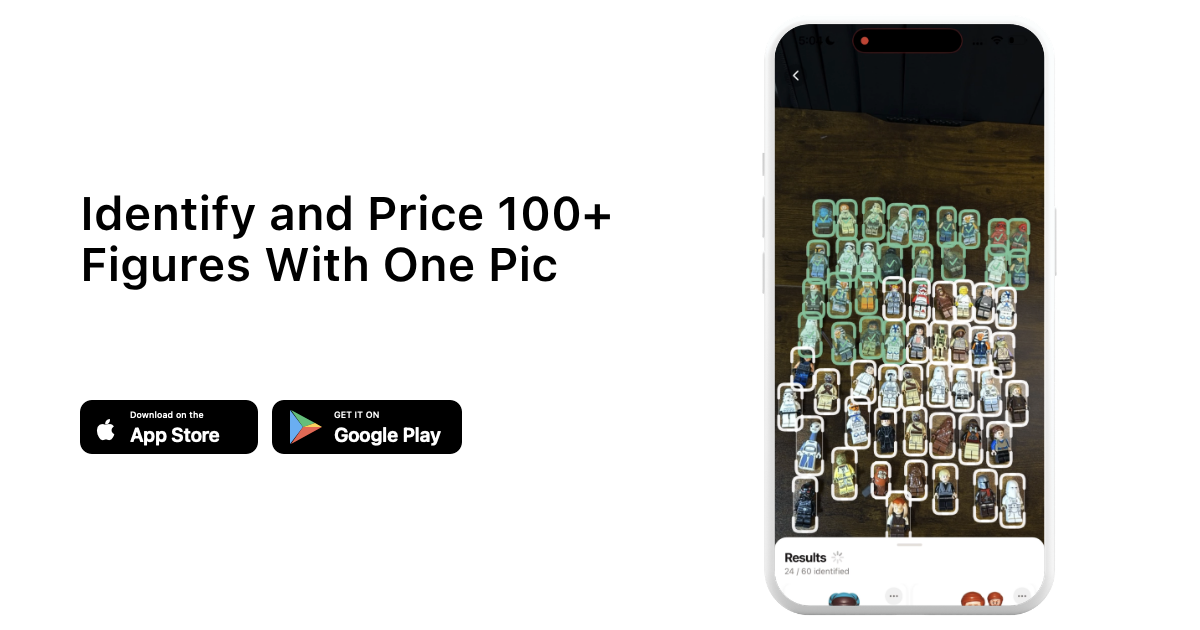
If you'd rather skip the manual identification step, you can also sign up for brick'em and scan a bulk lot of minifigures in one pass to get identification and pricing without doing it piece by piece.
What Mistakes Should You Avoid in Your First 90 Days?
The biggest early mistakes are overpricing out of attachment, underpricing out of impatience, trying every platform at once, and skipping identification because a figure "looks familiar." Each of these is fixable, but they're also the exact things that burn out new sellers before they get any traction.
I learned the hard way that guessing on identification costs you more than it saves in time. A seller I know once sold a rare printed torso variant for the price of a common one because he didn't double check it first, and he only realized the mistake after the buyer resold it for five times as much a few weeks later. It stings, but it's also exactly why checking before you list matters so much.
Expect to lose a little money on a few early items while you learn pricing and photography. That's normal, not a sign you're bad at this. Most sellers who stick with it for a few consistent months start to see their numbers turn around once they've built a feel for what sells where.
Frequently Asked Questions
How much money do I need to start reselling LEGO?
Most new sellers can realistically start with $100 to $300 set aside for a first inventory lot plus basic shipping supplies. You don't need sealed sets or rare minifigures to begin. A small bulk lot from Facebook Marketplace or your own old LEGO is usually enough for your first month of listings.
Which platform is best for a brand new LEGO reseller?
eBay and Facebook Marketplace are generally the easiest starting points because of their low barrier to entry and large buyer base. BrickLink is excellent once you have individual parts or figures to sell, and Whatnot is worth trying once you're comfortable building a live-selling audience over time.
How do I know if a minifigure is rare or valuable?
Check the exact print, head, and accessories against a reliable minifigure database rather than guessing from memory, then compare it to recent sold prices instead of current asking prices. Small print and part differences can change a figure's value significantly, so identification always comes before pricing.
Do I need a business license to resell LEGO?
Requirements vary by location and sale volume, so this isn't something we can answer generically here. A lot of sellers in the community start as a casual hobby seller and formalize things like licensing and taxes once sales become consistent, but you should check your local rules rather than assume.
What's the biggest mistake new LEGO resellers make?
Skipping proper identification and pricing checks is the most common and costly mistake. Guessing based on a figure "looking familiar" or pricing purely from gut feeling leads to under selling rare items and over pricing common ones, both of which slow your growth and frustrate buyers.