LEGO promotional minifigures are the free or discounted figures LEGO gives away with purchases, store events, conventions, or movie tie-in promotions, separate from sets you buy piece by piece and separate from the blind bag Collectible Minifigures line. If you are reselling, the short answer is that most promotional figures land somewhere between a few dollars and fifty dollars depending on rarity and condition, though a handful of rare giveaway pieces have sold for quite a bit more. In my experience running a LEGO resale business, GWP figures (gift with purchase) are one of the most overlooked categories because new sellers assume "free" means "worthless," and that assumption is usually wrong.
I've bought, sorted, and resold hundreds of promotional minifigures over the years, and the pattern I keep seeing is that event exclusives and short print run store promos hold value far better than figures LEGO handed out by the millions. This guide breaks down what counts as a promotional minifigure, how much they are realistically worth, how to spot a real one, where resellers actually buy and sell them, and the mistakes that cost new sellers money.
- Promotional minifigures include gift with purchase (GWP) figures, LEGO Store exclusives, convention and event giveaways, and some polybag releases.
- Print run and distribution window matter more than which character is on the figure.
- BrickLink and eBay sold listings remain the most reliable way to check real prices before you buy or sell.
- Condition, included accessories, and original packaging all move resale value up or down.
- Logging figures as soon as you acquire them saves hours when it is time to list and sell.
What Counts as a LEGO Promotional Minifigure?
A LEGO promotional minifigure is any figure released as a gift, bonus, or giveaway rather than sold on its own as part of a numbered set or a Collectible Minifigures series. That includes gift with purchase (GWP) figures handed out above a spending threshold, LEGO Store exclusives tied to grand openings or anniversaries, convention and event giveaways, and certain limited polybags built around movie releases. I personally sort these into their own bin the moment they come through my door, because they behave differently from set minifigures when it is time to sell.
The LEGO minifigure itself has been around since 1978, but the modern wave of promotional giveaways really picked up once LEGO started leaning on movie tie-ins and in-store events in the 2000s. Some of these figures were handed out by the thousands at a single opening weekend. Others were tied to a specific store location or a one day event, which is the real driver of long term value. When I sort a new haul, the first question I ask isn't "is this free," it's "how many of these actually exist."
How Much Are LEGO Promotional Minifigures Actually Worth?
Most promotional minifigures sell for somewhere between a few dollars and fifty dollars, with common movie tie in giveaways at the low end and scarce event exclusives at the high end. A small number of extremely limited convention figures have sold well above that range. The honest answer is that value depends almost entirely on how many were produced and how tightly distribution was controlled, not on how exciting the character looks on the shelf.
From what I've seen buying and selling in this category, the figures that hold value are the ones with a real story behind the scarcity: a single store, a single day, a capped quantity per customer. A GWP figure that LEGO.com shipped with online orders for a full month is usually common and cheap a year later. A figure given out only at one Brand Retail Store location for a product launch is a different animal entirely. Always check current sold listings before you price anything, since LEGO promotional values move around more than set values do.
Heads up: This is not financial or legal advice. We're sharing what we've learned from the LEGO reselling community.
What Makes LEGO Store Exclusive Promos Collectible?
LEGO Store exclusive promos are collectible because they are tied to a specific retail moment, like a grand opening, an anniversary, or a regional event, which naturally caps how many were ever handed out. A figure that only existed at one storefront on one weekend carries a built in scarcity story that mass produced GWP figures never get. I've noticed collectors chase the story as much as the plastic.
Store exclusives also tend to come with better provenance. Buyers can often point to the exact event, which makes authentication easier and builds buyer confidence. When I'm pricing a store exclusive, I look at whether it ever appeared in a GWP program nationally. If it did, treat it like a common GWP figure. If it was genuinely store specific, it usually sits in a higher tier, and checking recent BrickLink and eBay sold data is the only way to know for sure.
What Are LEGO Event and Convention Giveaway Figures?
Event and convention giveaway figures are minifigures LEGO distributes at trade shows, fan conventions, or ticketed brand events rather than through normal retail channels, and they are usually the scarcest category covered in this guide. Attendance caps, single day distribution, and sometimes a one per attendee limit all push print runs down into the hundreds or low thousands at most. I recommend treating any convention figure as a long term hold rather than a quick flip unless you already know the going rate.
A lot of sellers I know first encountered these figures at shows like Brickworld, Brick Convention, or BrickCon, where attendees walk away with something nobody outside that room received. Facebook Marketplace and local collector groups are often where these first surface after the event, before they make their way to BrickLink and specialty LEGO auction listings. Verify event names, dates, and distribution numbers before you quote a figure as "convention exclusive," since misattributing a figure's origin is one of the fastest ways to lose buyer trust.
How Do You Spot a Real LEGO Promotional Polybag?
You spot a real promotional polybag by checking the printed set number against official LEGO or BrickLink records, confirming the bag's thickness and seal pattern match genuine LEGO packaging, and verifying the figure's accessories match what was originally included. Promotional polybags get reprinted or counterfeited more often than people expect, especially popular movie tie in figures. Here is the checklist I actually use when a new polybag crosses my desk:
- Confirm the set number on the bag matches a documented LEGO promotional release, not a generic reissue.
- Check that the torso, legs, head, and accessories match the originally listed parts, not substitutes.
- Compare the bag seal and print quality against a verified reference photo from BrickLink.
- Note whether the figure was part of a GWP program (common) or a single event (rarer) before pricing it.
- Log the figure in your inventory immediately so you don't lose track of where it came from.
I use this exact sequence every time I buy a bulk lot that includes unopened promotional polybags, because the cost of guessing wrong is higher than the few minutes it takes to check.
Promotional Figures vs Collectible Minifigures: Which Is the Better Reseller Bet?
Collectible Minifigures (CMF) are generally the more liquid and consistent category, since LEGO.com and retail shelves sell them in predictable, documented series that buyers can research easily. Promotional figures can occasionally outperform CMF when distribution was genuinely tiny, but most promotional figures sell for less than a comparable CMF because they were produced in much larger numbers than collectors assume.
In my view, CMF is the safer, more repeatable category for a reseller building volume, while promotional figures are better treated as opportunistic buys. If I come across a bulk lot with a mix of both, I price the CMF figures using known series data first and treat the promotional figures as a bonus to research individually. The following comparison is how I think about the two categories side by side.
| Factor | Promotional / GWP Figures | Collectible Minifigures (CMF) |
|---|---|---|
| Distribution | Irregular, store or event specific | Documented numbered series |
| Typical liquidity | Lower, varies by figure | Higher, broad buyer base |
| Pricing research | Harder, requires event context | Easier, series data is public |
| Upside potential | High for true one off events | Steady, rarely explosive |
Where Should You Buy and Sell LEGO Promotional Minifigures?
BrickLink and eBay are the two most reliable places to both research and sell promotional minifigures, with Facebook Marketplace and Whatnot filling in as strong sourcing and live-selling channels depending on your audience. Mercari and BrickEconomy are also worth checking, Mercari for casual listings and BrickEconomy for tracking price trends over time. No single platform covers the whole lifecycle of a promotional figure from discovery to sale.
When I sell promotional figures, I lean on BrickLink first because it is the closest thing this hobby has to a Wall Street ticker for pricing, and serious buyers already trust its sold history. BrickLink has been running as the go to marketplace for individual LEGO pieces and minifigures since 2000, which is part of why its price history is so trusted. For figures with broader name recognition, like a movie tie in GWP, eBay's reach helps move inventory faster. I've sold over $100,000 worth of LEGO through eBay over the years, but promoted listings and standard fees can push your total take rate close to 25% on some categories, so factor that into your pricing. I've had good luck sourcing unopened promotional polybags through Facebook Marketplace lots that sellers list as generic LEGO bundles without realizing what is inside. If you already run live shows, Whatnot buyers respond well to the "guess what this free figure is worth" framing. My first Whatnot show only had about 10 people watching and still did over $500 in sales, and I've seen that same live, story driven energy work well on promotional figures specifically.
Before listing anywhere, run your find through our LEGO minifigure database to check whether the figure has documented sales history, and use our LEGO collection value calculator if you're pricing a whole lot that mixes promotional figures with sets and loose parts.
How Should Resellers Track a Promotional Minifigure Collection?
Resellers should track promotional minifigures the same way they track any other inventory, with a record of acquisition source, condition, accessories, and current market price, updated as new sold data comes in. The mistake I see most often is treating promotional figures as a junk drawer category instead of real inventory, which means sellers forget what they have until they stumble across it a year later at a lower price than they could have gotten.
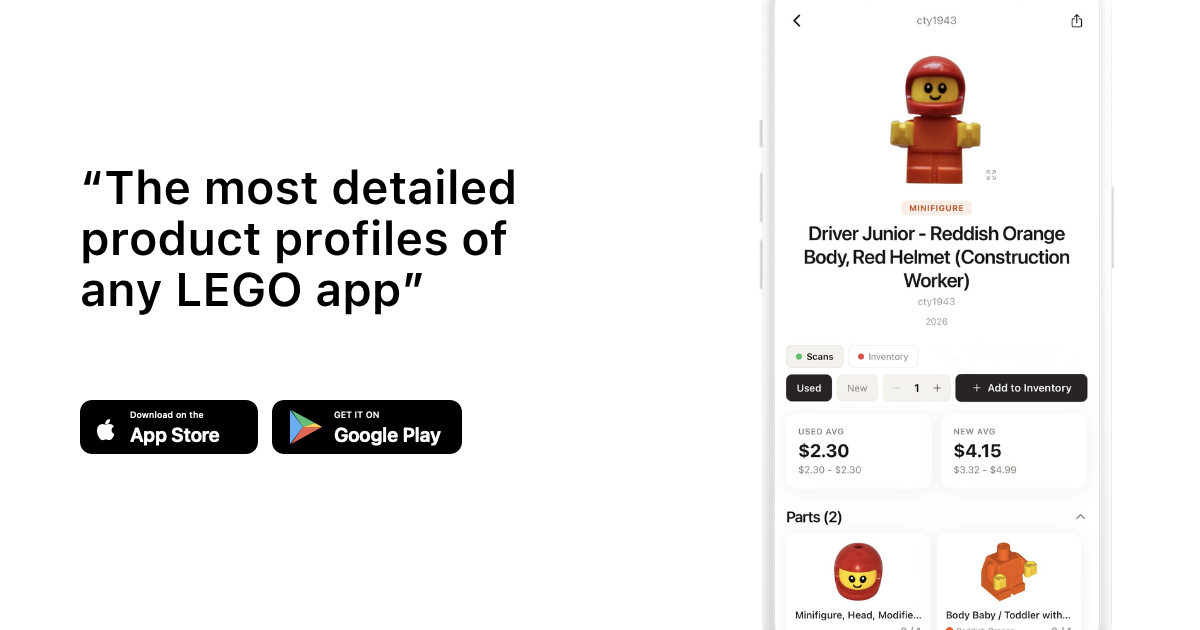
I started logging every promotional figure the moment it enters my hands, using a scan-first workflow so nothing sits unidentified in a box. If you're running a haul calculator on a mixed lot, promotional figures should get their own line item rather than getting bundled into "miscellaneous minifigures," because their value swings much more widely based on provenance. When you're ready to put a real system behind this instead of a spreadsheet, you can sign up for brick'em and scan figures in bulk as they come in.
What Mistakes Do New Sellers Make With GWP Figures?
The most common mistake new sellers make is pricing every promotional figure the same, regardless of how it was distributed, which either undersells rare event pieces or overprices common GWP figures that flooded the market. The second most common mistake is tossing the original packaging or instructions, which collectors often pay a premium for even on a "free" figure.
I learned this one the hard way early on, selling a handful of common GWP figures for too little because I lumped them in with a rarer store exclusive from the same promotional wave and assumed they'd sell at a similar price. They didn't, and I left money on the table. My rule now is simple: research each promotional figure individually before it goes into any bulk listing, and keep original bags and inserts whenever you reasonably can.
Frequently Asked Questions
Are LEGO promotional minifigures worth collecting?
Yes, especially event exclusives and tightly distributed store promos, which can hold value better than common set minifigures. Most promotional figures sell in a modest range, but a small number of genuinely scarce pieces command strong prices. Research distribution numbers before deciding whether a figure is worth holding or flipping quickly.
How can I tell if my LEGO promotional figure is rare?
Check how it was distributed. Figures tied to a single store, a single event, or a short promotional window are rarer than figures included in a national GWP program lasting weeks. Cross reference sold listings on BrickLink and eBay, since documented sales history is the most reliable rarity signal available.
Where is the best place to sell LEGO promotional minifigures?
BrickLink and eBay cover most promotional figures well, with BrickLink better for pricing accuracy and eBay better for broader reach. Whatnot works well if you already run live shows and can tell the figure's backstory on camera, since that story is a big part of what makes buyers interested.
Do LEGO promotional minifigures come with instructions or packaging?
Some do, especially polybag style promotional releases, while store and event giveaways are often handed out loose. When original packaging or instructions exist, keeping them intact generally increases resale value, so avoid discarding anything that came with the figure until you've researched it.
Should beginners focus on promotional figures or Collectible Minifigures first?
Beginners are usually better off starting with Collectible Minifigures, since pricing data is public and demand is consistent. Promotional figures are a strong secondary category once you understand how to research distribution and scarcity, which takes a bit more experience to get comfortable with.