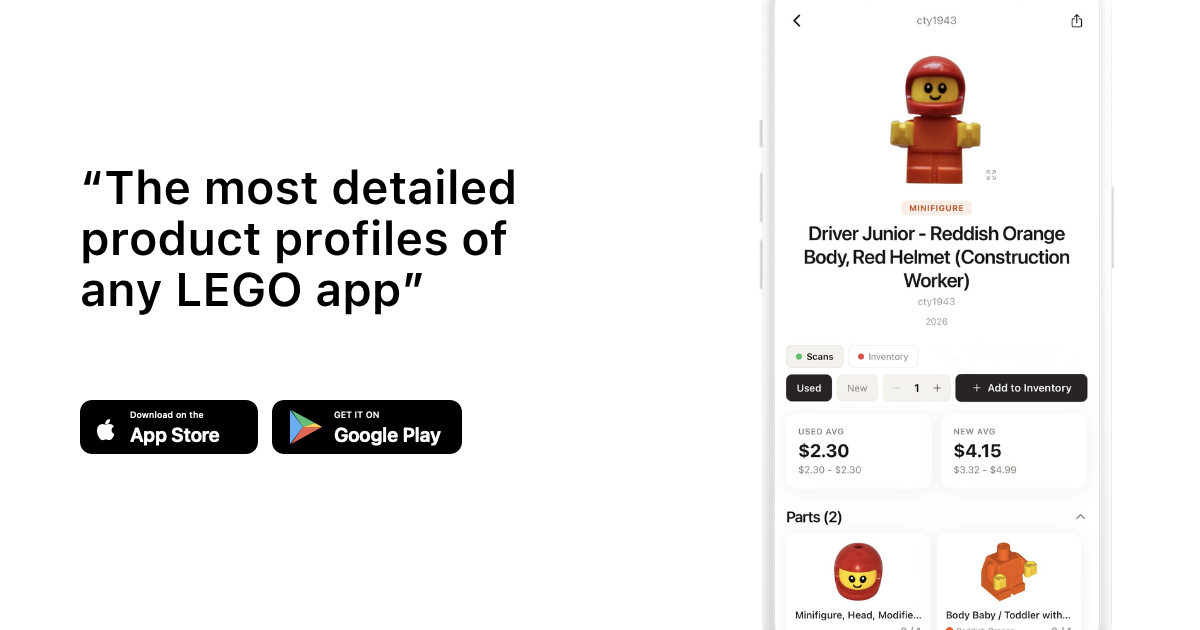


A LEGO monochrome minifigure is a minifig where every visible part, head, torso, legs, and hands, uses the same single color, like all-black, all-white, or all-chrome. These show up as background crowd figures inside bigger sets, as pieces of statue and display builds, or as the result of deliberate color-matching by a builder or seller. Their value depends almost entirely on rarity, color, and whether the parts came from an official LEGO set rather than a bin of mismatched pieces.
I've sorted through a lot of bulk lots over the years, and monochrome figures are one of those categories resellers either completely ignore or quietly build a side business around. In my experience, the all-black and all-white statue-style figures from licensed theme sets tend to pull the strongest demand, while random one-color crowd fillers from City sets usually sit closer to bulk pricing. The gap between those two outcomes is bigger than most new sellers expect.
This guide walks through what actually drives value in monochrome minifigures, which colors and themes tend to hold up best, where to sell them, and how to avoid overpaying for a figure that only looks rare.
- Monochrome value depends on official set origin, color rarity, and condition, not just the fact that a figure is one color.
- All-black and all-chrome statue or display figures from licensed sets generally outperform random all-one-color crowd figures from generic themes.
- Exact resale prices move constantly, so always check current sold listings before you price anything.
- BrickLink tends to be the more reliable venue for pricing individual monochrome pieces, while eBay and Whatnot can work well for bundles or rarer statue figures.
What Is a LEGO Monochrome Minifigure?
A monochrome minifigure is any minifig where the head, torso, arms, hands, and legs are all molded in a single color, with no printed detail or mixed-color parts breaking up the look. Think an all-black silhouette figure, an all-white "ghost" figure, or a chrome or metallic statue piece. They're distinct from a normal minifigure that just happens to wear one color of clothing, because on a true monochrome figure even the head and hands match.
LEGO uses monochrome figures for a few specific purposes: crowd fillers in large scenes, shadow or silhouette characters in certain theme sets, and statue-style figures meant to look like bronze, stone, or chrome sculptures. Outside of official sets, you'll also see monochrome figures created by resellers and customizers who swap parts to build a uniform look, often for display purposes or as a novelty item.
Why Are All-One-Color Minifigures Collectible?
All-one-color minifigures are collectible because the uniform look is unusual and visually striking next to a normal printed minifigure, and because many of the best examples only came in one or two specific sets. Scarcity plus a distinct display aesthetic is what pulls in buyers who aren't necessarily LEGO completionists, just people who want something eye-catching on a shelf.
From what I've seen moving inventory, the collectors chasing monochrome figures usually fall into two camps: people building a themed display (all-black army builders, for example) and people hunting one specific rare statue figure tied to a franchise they love. The first group cares about buying several at a reasonable price. The second group will pay well above typical minifigure prices for the right piece, especially if it's tied to Star Wars, Marvel, or another high-demand IP.
How Much Is an All-White LEGO Figure Worth?
Most all-white LEGO figures are worth somewhere between a dollar or two for common crowd-filler versions and significantly more for rare statue or licensed variants, but there is no single number that applies across the board. Set origin and condition move the price more than color alone.
I personally would not quote a flat value for "an all-white minifigure" without knowing which set it came from. A plain white crowd figure pulled from a generic City set is bulk-bin material. An all-white statue figure from a licensed theme, especially one that was only included in a single set or a limited promotional release, can sell for a meaningfully higher price because it's genuinely hard to find loose and complete. Before you list or buy one, pull up current sold listings on BrickLink or eBay for that exact figure, since asking prices and sold prices can be very different.
What Drives Value in All-Black LEGO Minifigs?
All-black minifigs get their value from the same forces that drive any minifigure: how rare the figure is, which set and theme it came from, and whether it's complete and undamaged. Black is a common base color in LEGO's palette, so an all-black figure needs a real scarcity story behind it to command a strong price.
In my experience, the all-black figures that actually sell well tend to be silhouette or shadow-style characters built for a specific story moment in a themed set, or statue figures meant to look like cast iron or obsidian. A seller I know who focuses on licensed minifigures told me he specifically watches for all-black variants tied to villain characters, since those tend to have smaller print runs than the hero figure in the same wave. Generic all-black crowd figures from basic City or Town sets, on the other hand, usually move at or near bulk prices.
Are Statue and Display Figures a Different Category?
Yes, statue and display figures are generally treated as their own category rather than lumped in with standard minifigures, because they're designed to look like sculptures rather than characters in action. Chrome, gold, and bronze-finish statue figures especially get evaluated more like collectible art pieces than playset minifigures.
I use a different mental model when I sort these. A standard monochrome minifigure's value usually tracks the character and set rarity. A statue figure's value tracks the finish quality, the character it represents, and how limited the release was, since many statue-style figures were tied to promotional events, San Diego Comic-Con exclusives, or limited retail runs rather than mainstream sets. Chrome and metallic finishes in particular can command a real premium over a matte monochrome version of the same character, because the finish itself is harder to produce and more prone to wear.
Which LEGO Themes Produce the Best Monochrome Minifigures?
Star Wars, Marvel, and other licensed character themes tend to produce the most valuable monochrome and statue-style minifigures, because the character demand carries the price even when the figure itself is a simple single-color mold. Generic themes like City generally do not.
In my view, this lines up with how liquid each theme is more broadly. Star Wars is one of the most liquid LEGO categories out there, so a rare all-black or chrome Star Wars figure has a large built-in buyer pool. Marvel is underrated in the same way, with huge demand that doesn't always get the attention it deserves. Castle and Pirates sets occasionally produce nostalgic monochrome or statue-style pieces that appeal to vintage collectors willing to pay up, but that's a narrower buyer base than character-driven themes. City, by contrast, is one of the least liquid themes for minifigures in general, and a plain monochrome City figure rarely breaks a couple dollars no matter the color.
Where Should You Sell Monochrome Minifigures?
BrickLink is generally the best venue for pricing and selling individual monochrome minifigures because its sold-item data acts like a real-time price reference for the entire LEGO secondary market. For rarer statue or licensed pieces, eBay and Whatnot can outperform BrickLink on a single standout item.
I recommend starting with BrickLink if you're trying to figure out what something is actually worth, since it functions almost like the Wall Street of LEGO pricing data. If you've got a genuinely rare chrome or statue figure tied to a strong IP, eBay's massive buyer pool can work in your favor, especially if you price it 30 to 50 percent below the going market rate, which in a liquid niche like LEGO tends to sell within 24 to 48 hours in my experience. Just keep in mind that eBay promoted listings can push your effective take rate close to 25 percent of the sale once you add them up, so build that into your pricing. I've personally sold over $100,000 worth of LEGO through eBay, and it's still one of the best places to move a standout monochrome piece fast. Whatnot is worth considering too, particularly for licensed theme figures with built-in fan bases, though building an audience there takes time; spending around $20 per show on boosted promotions early on can help get a new show in front of more buyers, and consistency matters more than any single tactic before it pays off.
How Do You Tell a Genuine Monochrome Figure From a Custom Build?
You can usually tell a genuine official monochrome figure from a custom build by checking whether every part matches a documented mold and color combination from an actual LEGO set, rather than parts that were simply swapped or repainted to look uniform. Official figures will have a traceable set number and release.
I've learned to always cross-reference the exact parts against a minifigure database before paying a premium, because it is extremely easy to assemble a convincing-looking monochrome figure from loose parts in different colors that merely look similar under bad lighting or small photos. Repainted or aftermarket-finished pieces are common in this niche too, and they should sell for much less than an authentic, factory-molded monochrome figure. If a listing doesn't mention the source set, ask before you buy.
Is Collecting Monochrome Minifigures a Smart Investment?
Monochrome and statue-style minifigures can be a reasonable niche within minifigure collecting, but they shouldn't be treated as a guaranteed investment any more than any other collectible category. Rarity and character demand matter far more than the simple fact that a figure is one color.
From what I've seen, the figures with real staying power are the ones tied to enduring franchises and genuinely limited production, not just any single-color mold. I started paying closer attention to this category after noticing how much bulk-lot monochrome inventory gets overlooked or thrown in with junk figures, which tells me there's often a mispricing opportunity for sellers willing to sort carefully. That said, treat any specific price projection as an opinion based on market experience, not a guarantee.
Heads up: This is not financial or legal advice. We're sharing what we've learned from the LEGO reselling community.
Checklist: Evaluating a Monochrome Minifigure Before You Buy or Sell
Use this quick checklist before you price, buy, or list any all-one-color LEGO minifigure, whether it's a crowd filler or a statue-style display piece.
| Step | What to Check | Why It Matters |
|---|---|---|
| 1 | Confirm the original set or release | Official set origin is the biggest driver of value versus a custom build |
| 2 | Identify the exact parts and color | Small mold or finish differences can change value significantly |
| 3 | Check current sold listings, not asking prices | Asking prices on BrickLink and eBay can run well above what actually sells |
| 4 | Inspect for wear, chips, or discoloration | Monochrome surfaces show scratches and fading more visibly than printed parts |
| 5 | Compare theme and character demand | A licensed character figure in a weak color will usually outsell a generic figure in a flashy finish |
| 6 | Decide the best sales channel | BrickLink for individual pricing accuracy, eBay or Whatnot for rare standout pieces |
If you're building out a collection or a resale inventory around these figures, it helps to track what you have and what it's actually worth rather than relying on memory. Running your lots through the brick'em minifigure database is a fast way to confirm exactly which set and variant you're holding before you set a price.
How Should Resellers Price and Track Monochrome Inventory?
Resellers should price monochrome minifigures the same way they'd price any other minifigure: by confirming the exact variant, checking recent sold data, and tracking condition, rather than assuming color alone sets the price. Treating "monochrome" as a single pricing tier is a common beginner mistake.
When I sort a bulk lot, I separate monochrome figures out early because they're easy to misjudge at a glance. A quick pricing pass using something like the brick'em collection value calculator helps put a realistic number on a whole lot instead of guessing piece by piece. If you're weighing whether a specific monochrome or statue figure is worth holding for appreciation versus selling now, the investment calculator can help frame that decision using your own cost basis instead of gut feel. And if you're regularly buying mixed bulk lots that might contain monochrome pieces, running the numbers through the haul calculator before you commit to a purchase keeps you from overpaying for a box that's mostly common parts.
Frequently Asked Questions
Are monochrome LEGO minifigures rare?
Some are, but most are not. Generic all-one-color crowd figures from basic sets are common and usually worth close to bulk prices. The rare and valuable ones are typically statue-style or licensed character figures from limited releases, so rarity depends heavily on the specific set and character, not the fact that the figure is a single color.
What is the most valuable color for a monochrome minifigure?
There's no single most valuable color across the board. Chrome and metallic finishes often command a premium because they're harder to produce and show wear easily, but a common color tied to a highly demanded character can outsell a rare finish on a forgettable one. Character and set rarity matter more than the color itself.
Where is the best place to sell a rare monochrome minifigure?
BrickLink is usually best for accurate individual pricing, since its sold-item history functions as the closest thing to a market standard for LEGO pieces. For a genuinely rare statue or licensed figure, eBay's larger buyer pool or a Whatnot live show can sometimes produce a stronger result on that one standout item.
How do I know if a monochrome minifigure is official or custom-made?
Check whether every part matches a documented mold, color, and set combination from an actual LEGO release. If the listing doesn't name a source set, or the parts look slightly off in finish or proportion, treat it as a possible custom build and price it accordingly rather than paying a premium for rarity it may not have.
Should I buy monochrome minifigures as an investment?
Treat it the same as any collectible niche: possible upside if you pick figures with real character demand and genuine scarcity, but not a guaranteed return. We're sharing community experience here, not financial advice, so verify current sold prices yourself before committing meaningful money to any single figure.