LEGO modular building figures are the minifigures that come packed inside the LEGO Creator Expert and LEGO Icons Modular Buildings Collection, and from what I've seen trading in this space, they're some of the most consistently valuable minifigures LEGO has ever made. Sets like Cafe Corner, Green Grocer, and Assembly Square didn't just ship bricks. They shipped a handful of characters you can't get anywhere else, and that exclusivity is exactly why collectors keep chasing them years after the sets go out of production.
In my experience sorting through modular sets for resale, the figures almost always outlast the building itself in collector interest. A torn-up building can get rebuilt or parted out, but a unique modular minifigure stays unique forever. That's the whole thesis behind why I started paying closer attention to modular figures instead of just the sets they came in.
- Modular Buildings minifigures are exclusive to their set, so there's no reprint to worry about diluting value.
- The Modular Buildings Collection started with Cafe Corner in 2007 and Assembly Square (2017) is one of the largest in the line at just over 4,000 pieces.
- Condition and completeness (accessories, printed torso, correct hair or hat piece) drive most of the price swing between a low and high sale.
- Always check current sold listings before pricing or buying. Published values move, and this guide won't give you an exact number for every figure.
What Makes a Minifigure a "Modular Building Figure"?
A modular building figure is any minifigure packaged inside one of the sets in LEGO's Creator Expert or LEGO Icons Modular Buildings Collection, a line of detailed, interconnecting street buildings that started with Cafe Corner in 2007. These figures are almost never reused in other sets, which is the main reason they hold interest long after the box is opened.
In my experience, new sellers assume a modular figure is valuable just because it's old. Age helps, but it's the exclusivity that really matters. A figure that only ever shipped in one set, in one year, with one print run, is a figure that can't be flooded with reprints the way a City or seasonal minifigure sometimes can. That scarcity is baked in from day one, not something that develops over time.
Why Do Modular Exclusive Minifigs Hold Value So Well?
Modular exclusive minifigures hold value because supply is fixed the day the set stops being produced, while the buyer pool keeps growing as the Modular Buildings Collection gains new fans every year. Unlike a Collectible Minifigures series figure, there's no newer wave to chase attention away from an older modular figure.
I've seen this play out on BrickLink time and again. A modular set retires, the figures stop circulating, and a few years later demand from AFOLs (adult LEGO fans) building out their modular street starts pushing prices up steadily rather than spiking and crashing. It's a slower, steadier kind of appreciation than a hyped Star Wars exclusive, but it tends to be durable. If you want to track how a set's secondary market value has moved since release, a site like BrickEconomy is the standard place collectors check.
How Much Are Cafe Corner Minifigures Worth?
Cafe Corner (set 10182), released in 2007, was the first set in the Modular Buildings Collection, and its figures are some of the most requested in the line because of that "first set" status. I won't quote an exact price here, since sold prices shift constantly and are better checked against current listings.
What I will say from my own buying and selling is that first-in-series modular figures tend to carry a meaningful premium over later releases in the collection, simply because collectors building a complete modular figure set need that first piece and there's a fixed, shrinking supply of it. If you're trying to price one, pull up recent BrickLink sold listings and recent eBay completed sales side by side rather than relying on either platform alone.
What Is the Green Grocer Minifigure Known For?
The Green Grocer (set 10185) came out in 2008 as the second entry in the Modular Buildings Collection, and its figures are known among collectors for strong, distinctive printing that hasn't been reused anywhere else in the LEGO catalog. That uniqueness is a big part of why the set is still talked about almost two decades later.
From what I've learned buying modular lots, Green Grocer figures tend to move a little slower than Cafe Corner's on the open market, but they're far from the hardest sell in the line. A seller I know who specializes in modular parting-out told me the trick is patience. These aren't figures you flip in a day on a fast-moving platform. They're figures you list correctly, price fairly against recent sales, and let find the right collector.
Are Assembly Square Figures a Good Investment?
Assembly Square (set 10255), released in 2017, is one of the biggest sets in the Modular Buildings Collection at just over 4,000 pieces, and its figures benefit from the set's popularity. Whether any single figure is "a good investment" depends on condition and what you pay going in, not just the set's reputation.
Heads up: This is not financial or legal advice. We're sharing what we've learned from the LEGO reselling community.
I personally treat any LEGO minifigure purchase as a collectible bet, not a guaranteed return. A lot of sellers I know who treat modular figures as a long-term hold are patient about it, buying when a set first retires and prices haven't run up yet, rather than chasing a figure after a viral post drives short-term demand. If you want a gut check on whether a figure or lot is priced reasonably against the current market, brick'em's LEGO collection value calculator is built for exactly that kind of quick sanity check before you buy.
How Do I Identify a Modular Exclusive Minifigure?
You identify a modular exclusive minifigure by matching its print, accessories, and hair or hat piece against the set it came from, since modular figures can look similar to generic Town or City figures at a glance but carry small printing differences that change value. Getting this wrong is a common pricing mistake.
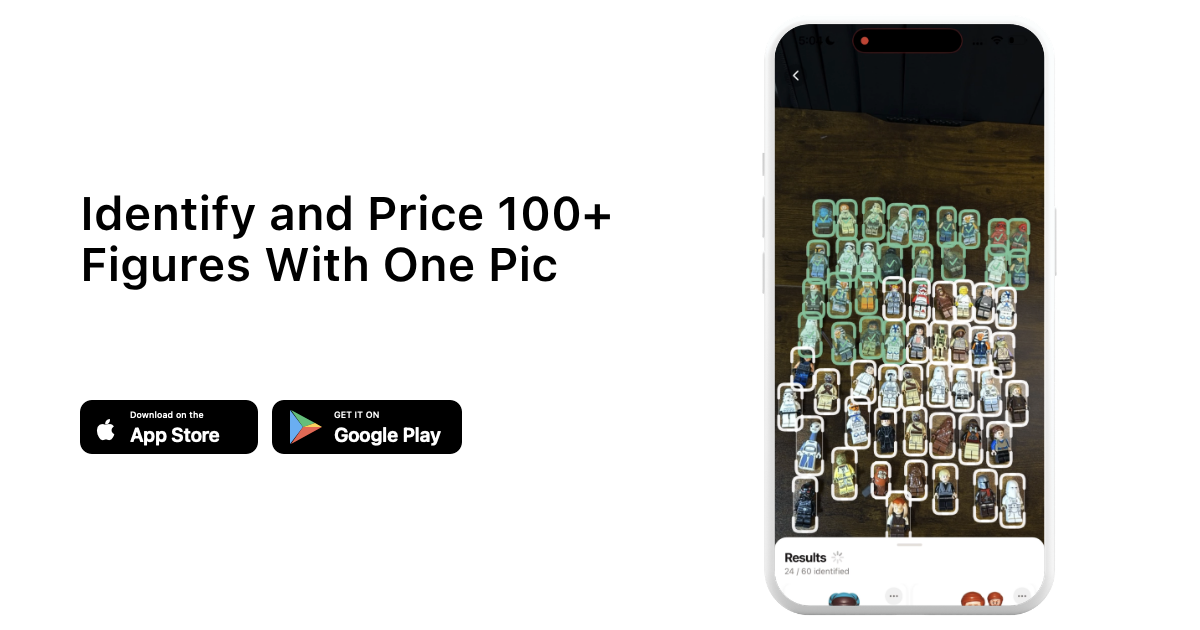
I use brick'em's scanner for exactly this reason when I'm going through a bulk modular lot. Rather than manually cross-referencing every figure against old set inventories, I snap a photo and get a match against the catalog in seconds. If you want to check your own figures against a real reference set, the LEGO minifigure database is the place I point people who want to do it by hand first.
Where Should You Sell Modular Building Minifigures?
Modular figures generally do best on BrickLink because it's the marketplace collectors use specifically to fill gaps in a themed set, and BrickLink's buyer base skews heavily toward people building out exactly this kind of collection. eBay and Whatnot can work too, but each platform fits a different kind of sale.
| Platform | Best For | Tradeoff |
|---|---|---|
| BrickLink | Collectors who need a specific modular figure | Slower sales, but buyers already know what they want |
| eBay | Broad reach, faster sale at the right price | Promoted listings can push total fees close to 25% of the sale |
| Whatnot | Building an audience, selling lots live | Takes time to grow a following before sales really take off |
| Facebook Marketplace | Local pickup, no platform selling fees | Smaller buyer pool for a niche figure |
In my experience, I'll list a true grail modular figure on BrickLink first because that's where the buyer who actually needs it is searching. For bulk modular lots with mixed figures, Facebook Marketplace or a Whatnot show tends to move inventory faster since you're selling the lot, not hunting for one specific collector.
What Mistakes Do New Sellers Make With Modular Figures?
The biggest mistake new sellers make is pricing a modular figure off memory or an old price they saw once, instead of checking what the figure actually sold for recently. The market moves, and modular figure prices in particular have climbed steadily as the Modular Buildings Collection has grown more popular.
- Not checking for the correct printed torso variant before assuming a figure is complete.
- Selling a modular figure bundled with common figures instead of listing it separately where collectors can find it.
- Ignoring accessories (a chef's hat, a specific tool, a food piece) that can matter more to completeness than the figure itself.
- Guessing at value instead of checking recent BrickLink and eBay sold listings before pricing.
- Not tracking what you paid, which makes it hard to know if a sale was actually profitable.
I started tracking every modular lot I bought against what I eventually sold the figures for, and it changed how I buy. I noticed I was consistently underpricing figures I didn't recognize on sight, which is part of why having a fast way to identify and price a figure matters so much when you're working through a bulk lot. If you're buying lots regularly, running the math on a prospective haul with brick'em's haul calculator before you commit to a price can save you from a lot we've-all-been-there mistakes.
Should You Buy Modular Figures as a Long-Term Hold?
Modular figures can make sense as a long-term hold if you're buying because you believe in the Modular Buildings Collection's staying power, not because you expect a fast flip. I recommend treating any single figure purchase as part of a broader collection strategy rather than a one-off bet.
My experience has been that the Modular Buildings Collection as a whole has aged well compared to a lot of other themes, partly because LEGO releases new entries in the line every year or two, which keeps the fan base active and keeps older sets relevant as "the one before this one." If you're building out a broader reselling or collecting strategy around modular figures and bulk lots, our blog has more guides on sourcing, identifying, and pricing LEGO inventory across themes.
Frequently Asked Questions
Are modular building minifigures worth more than regular LEGO minifigures?
Generally, yes. Modular figures tend to carry a premium over common minifigures because they're exclusive to a single set with a fixed production run. That said, value still depends heavily on condition, completeness, and current demand, so always check recent sold listings rather than assuming every modular figure is automatically valuable.
Which modular set has the most valuable minifigures?
There's no single permanent answer since the market shifts, but earlier sets in the collection, especially Cafe Corner, tend to get strong attention because of their first-in-series status. Larger, newer sets like Assembly Square also draw interest due to overall popularity. Checking current BrickLink and eBay sold listings is the only reliable way to know right now.
How can I tell if my modular minifigure is complete?
Compare it against the set's original figure lineup, checking the printed torso, legs, hair or hat piece, and any unique accessories like tools or food pieces. A brick'em scan or the LEGO minifigure database can help confirm you're not missing a small but value-affecting piece before you list it.
Is it better to sell modular figures individually or as a lot?
If you have a genuinely rare or sought-after figure, selling it individually on BrickLink usually gets you more than bundling it. If you're clearing out a mixed bulk lot with common figures mixed in, selling as a lot on Facebook Marketplace or in a Whatnot show can move inventory faster with less listing work.
Do modular minifigures actually appreciate over time?
Many have historically trended upward as the Modular Buildings Collection has grown in popularity since Cafe Corner launched in 2007, but past performance on any collectible is not a guarantee of future value. Treat it as a collecting decision first and a financial one second, and verify current pricing before buying or selling.