


The short answer: Star Wars, Marvel, and Ninjago minifigures are the strongest categories for a Whatnot show right now, with Collectible Minifigures and Castle close behind. These themes combine broad name recognition with active fan bases who actually show up and bid, which is the thing that matters most in a live format where you have seconds, not days, to convince someone to buy.
I've run enough shows and sorted enough bins to have opinions on this, and some of them go against what you'd expect. City minifigures, for example, are everywhere in bulk lots and almost never worth a live slot. Harry Potter looks like a safe bet because the franchise is huge, but in my experience it moves slower on Whatnot than it does on BrickLink. This post breaks down which categories to prioritize, which to skip, and how to prep your minifigure inventory before you go live.
- Star Wars, Marvel, and Ninjago are the most reliable Whatnot categories for minifigures because demand is broad, not niche.
- Collectible Minifigures (CMF) sell well live, especially still-packaged figures with mystery built in.
- Castle and Pirates are underrated with the right nostalgia-driven audience, and often do better on Whatnot and eBay than people assume.
- Harry Potter and City minifigures are generally weaker live-selling categories; Harry Potter tends to do better on BrickLink, and City figures rarely sell for much anywhere.
- Any pricing or investment framing here is community experience, not financial advice, and you should verify current sold prices before you price a show.
Which LEGO Minifigure Categories Perform Best on Whatnot Right Now?
Star Wars, Ninjago, and Marvel minifigures perform best on Whatnot right now because they combine broad brand recognition with active buyer bases who show up show after show. Collectible Minifigures and Castle figures round out the strong tier, while City figures and most Harry Potter pieces struggle to find buyers willing to pay live-show prices.
I sort my bins by theme before every show, and over time a pattern showed up that I didn't expect going in. It's not just about how big a franchise is. It's about whether the fan base is used to buying on sight, in the moment, from a stranger with a webcam. Here's how I'd rank the categories I see most often in reseller lots.
| Category | Whatnot Liquidity | Founder Take |
|---|---|---|
| Star Wars | High | Beginner-friendly, broad and familiar demand |
| Marvel | High | Underrated, very liquid, huge market |
| Ninjago | High | Ongoing show keeps the fandom active |
| Collectible Minifigures (CMF) | High | Packaged mystery still sells the moment |
| Castle | Medium to High | Nostalgia collectors will pay up |
| Pirates | Medium to High | Same collector profile as Castle |
| Icons | Medium | Great decor appeal, slower to move |
| Harry Potter | Low to Medium | Better fit for BrickLink than live shows |
| City | Low | Rarely worth a live slot |
Are Star Wars Minifigures Worth Selling on Whatnot?
Yes, Star Wars minifigures are some of the most dependable items I put in a show because almost every viewer recognizes the characters immediately, which means I'm not spending airtime explaining who someone is before I can sell them. That recognition speed is everything in a live format.
In my experience, Star Wars is one of the best categories for a brand-new seller specifically because the demand isn't limited to hardcore LEGO collectors. Star Wars fans, casual and serious, both bid. I've seen common troopers and background characters move in seconds simply because a viewer wanted to complete a squad, and I've also watched rarer, screen-accurate figures pull real competition in the chat. If you're building your first few shows, I'd start here.
Why Is Marvel an Underrated Whatnot Category?
Marvel is underrated on Whatnot because sellers gravitate toward Star Wars first and treat Marvel as a secondary theme, even though it's just as liquid and pulls from an even bigger overall movie and show audience. I personally don't think the gap in seller attention matches the gap in actual buyer demand.
From what I've noticed running shows, Marvel figures tend to sell to a slightly younger, more casual crowd than Star Wars, and that crowd moves fast when they recognize a character from a recent movie or show. If you're sorting a bulk lot and deciding what to feature live versus what to list flat on BrickLink, I'd bump Marvel higher than most sellers do.
Is Ninjago a Good Beginner Category for Whatnot Sellers?
Yes, Ninjago is a strong beginner category for Whatnot sellers because the show has run for years and kept building a fan base that treats new and classic figures as collectible in their own right, not just as toys. That ongoing story keeps demand active instead of fading the way a lot of retired themes do.
I recommend Ninjago to newer sellers for the same reason I recommend Star Wars: the audience is broad and the price point is usually approachable, so you can build show momentum with items that move fast instead of sitting on a handful of expensive pieces that only sell to a narrow buyer.
Should You Bring Harry Potter Minifigures to a Whatnot Show?
Generally, no, not as a headline category. Harry Potter is a huge franchise, but I've found it isn't very liquid in a live-selling format, and it tends to do better on BrickLink where buyers are actively searching for specific characters rather than reacting to whatever appears on screen.
That doesn't mean Harry Potter figures are worthless on Whatnot. I'll still run a few in a themed segment, especially around a new movie or anniversary news cycle. But if I'm building a show lineup and need reliable movement, I'm leaning on Star Wars, Marvel, and Ninjago first and treating Harry Potter as a slower-moving BrickLink listing instead.
Do City Minifigures Sell Well on Whatnot?
No, City minifigures generally do not sell well on Whatnot. In my experience they're one of the most highly illiquid categories in the whole catalog, and it's rare to see a plain City figure clear much more than a couple dollars even in a good show with an engaged audience.
I still buy City figures when they come attached to a bulk lot I want for other reasons, but I don't build inventory around them and I don't feature them live unless they're part of a themed set or a bundle. If your bins are full of City minifigures, I'd sort them into bulk-lot bundles rather than trying to sell them one at a time on camera.
How Do Collectible Minifigures Perform in Live Whatnot Shows?
Collectible Minifigures, often shortened to CMF, perform very well in live Whatnot shows because they carry a built-in sense of mystery that fits the live-auction format perfectly. A sealed or bagged figure gives the chat something to guess at, and that guessing is exactly the kind of engagement that keeps a show moving.
I've noticed that packaged CMFs tend to do better than loose, identified ones for that reason. Once a figure is out of the bag and its identity is obvious, some of that mystery premium goes away. Newer official CMF packaging includes QR codes that let buyers check what's inside before they commit, and tools like a bulk minifigure scanner can do the same job on loose figures when you're organizing inventory ahead of a show. Either way, I treat CMF as one of my most reliable live-selling categories.
What About Castle and Pirates Minifigures on Whatnot?
Castle and Pirates minifigures are both underrated on Whatnot and tend to attract the same kind of buyer: a collector with vintage nostalgia who's willing to pay well above what a casual figure would fetch. These aren't your fastest-moving categories, but the buyers who show up for them are motivated.
I use Castle and Pirates as anchor items late in a show when I want to slow the pace down and let a motivated bidder run the price up. Both themes also do well on eBay, in my experience, where a patient buyer can search specifically for a retired figure they've wanted for years. I wouldn't lead a beginner's first show with these categories, but I wouldn't ignore them either if they show up in a lot.
How Should You Prep and Price Minifigure Inventory Before a Whatnot Show?
The short version: sort by theme and liquidity, identify anything you're unsure about, check current pricing before you go live, and build a running order that puts your fastest-moving categories early to build show momentum. Skipping this step is how sellers end up guessing prices on camera, which slows everything down.
Here's the checklist I actually use before a show:
- Sort bins by theme first, then split each theme into "feature live" versus "bulk bundle."
- Identify anything you're not 100% sure about using a tool like brick'em's LEGO minifigure database before you price it.
- Run a quick pass through a LEGO collection value calculator so you're not pricing purely off memory or an old sold listing.
- Set a floor price for your fastest movers so you're not caught off guard if the chat goes quiet.
- If you bought a bulk lot recently, run it through a haul calculator so you know your real cost basis before you start giving items away at a loss.
- Build your running order: fast, familiar categories first to build momentum, slower nostalgia categories later once the audience is warmed up.
I learned most of this the hard way, by pricing on the fly during early shows and losing money on a few items because I hadn't checked current values first. It's a lot easier to sort and price ahead of time than to do it live in front of an audience.
What Does It Actually Cost to Promote a Whatnot Show?
Promotion costs on Whatnot are usually small relative to what they can bring back. I personally spend around $20 per show on boosted promotion near the start, once I already have the basics of my setup and schedule in place, and I treat that as a customer-acquisition cost rather than a guaranteed return.
My first Whatnot show only had about 10 people watching and still did over $500 in sales, which felt like a big deal at the time. It took about 5 months of consistent shows to build up to 3,000-plus followers and $30,000-plus in total sales, and I did that without ever showing my face on camera. A lot of sellers I know go through a similar early stretch where they lose a little money on individual items just to build an audience, and I think that's a normal, expected part of the learning curve rather than a sign that something's wrong.
Heads up: This is not financial or legal advice. We're sharing what we've learned from the LEGO reselling community.
Whatnot also runs no-seller-fee days from time to time, which is worth watching for if you're trying to time a bigger show around lower costs. Fee structures and promotion terms change, so I'd always double-check current numbers on Whatnot directly before you build a pricing plan around them.
Where Do BrickLink, eBay, and Other Platforms Fit In?
Whatnot isn't the only place to move minifigure inventory, and in my view it shouldn't be. BrickLink is still the closest thing the hobby has to a pricing benchmark, almost like the Wall Street of LEGO, and it's where I send anything that's more of a search-driven sale than an impulse buy, including most Harry Potter and City figures.
eBay is where I've done the bulk of my own selling over the years, north of $100,000 worth of LEGO by now, mostly minifigures. The catch is that promoted listings can push your effective take rate close to 25% once you add them on top of standard fees, so I factor that in before I decide where an item is headed. Facebook Marketplace and Mercari come up too, usually for local sourcing or lower-effort listings rather than headline items, and BrickEconomy is a good place to sanity-check longer-term pricing trends before you commit a big lot to a single platform.
Frequently Asked Questions
What's the single best LEGO minifigure category for a first Whatnot show?
Star Wars is the category I'd lead with for a first show. It's broadly recognized, the price points are usually approachable, and buyers don't need to be hardcore collectors to want to bid, which keeps a new show's momentum up while you're still building an audience.
Are Collectible Minifigures worth featuring live instead of listing flat?
Yes, in most cases. Packaged CMFs carry a mystery element that fits live selling well, since the chat gets to guess what's inside before it's revealed. Once a figure is identified and out of its packaging, that premium tends to fade, so I try to keep CMFs sealed until showtime.
Should I avoid City minifigures entirely?
Not entirely, but I wouldn't build inventory around them. City figures are highly illiquid in my experience and rarely sell for much individually. I fold them into bulk bundles or use them as filler in a themed lot rather than giving them their own spot in a show.
Is Harry Potter really not worth selling on Whatnot?
It can still sell, just more slowly than franchises like Star Wars or Ninjago. I've found BrickLink works better for Harry Potter because buyers there are searching for specific characters, while Whatnot rewards figures that a broad, reactive audience recognizes instantly.
How much should I budget to promote a Whatnot show?
I personally spend around $20 per show on boosted promotion once my basics are dialed in, but this isn't financial advice, and results vary by seller, schedule, and audience size. Treat any promotion spend as an experiment you track over several shows, not a guaranteed formula.
What Do These LEGO Selling Platforms Look Like?
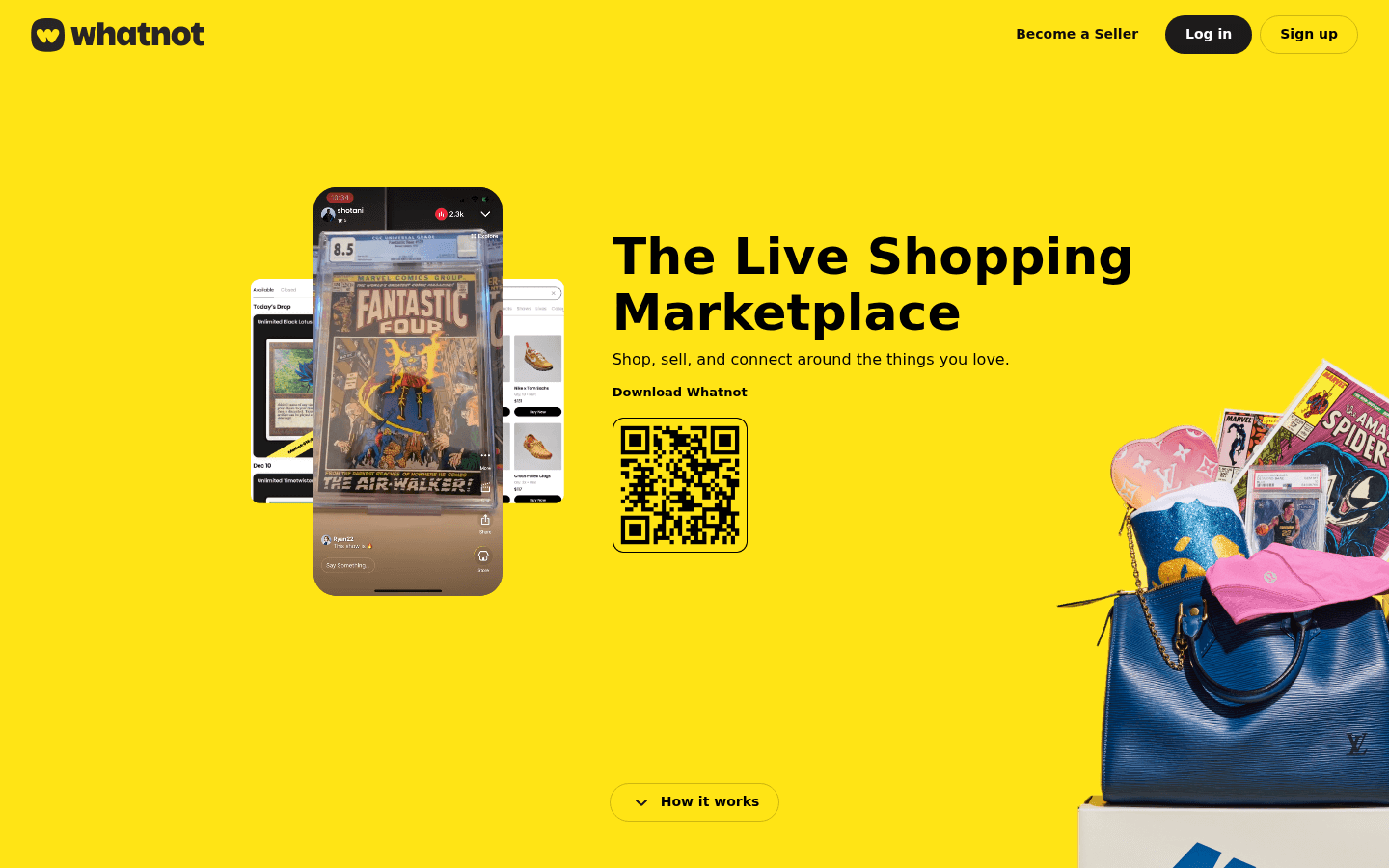
Before choosing where to sell, it helps to see the difference between a live-selling marketplace, a broad search marketplace, a LEGO-native catalog, and a social or local channel. These screenshots are visual references only. Platform interfaces, fees, and rules can change.
CTA(Identify%20and%20Price%20100%2B%20Figures%20With%20One%20Pic).png)

