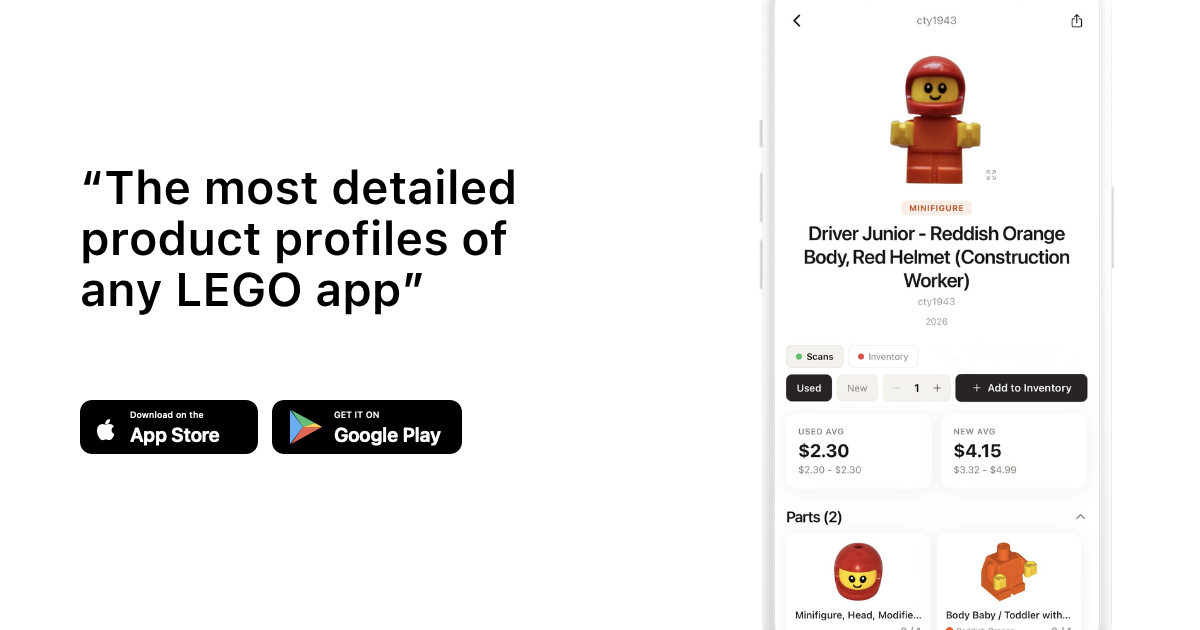


When the same LEGO set shows up online under two different numbers, it is not a typo and it is not a scam. LEGO periodically reissues sets, Collectible Minifigures series, and individual minifigures under a new catalog number when the packaging, print run, or regional release changes, even though the contents look almost identical to the original. If you buy, sell, or catalog LEGO, knowing why that happens, and how to tell the versions apart, is the difference between an accurate listing and a buyer who thinks you sold them a knockoff.
I've run into this constantly while sorting inventory for resale. A buyer sends a photo of a box, the number printed on the corner does not match what I remember, and it turns out LEGO quietly renumbered that exact set years after the first release. In my experience, this trips up newer resellers more than almost anything else in the catalog, because it looks like a red flag when it is usually just routine production tracking.
Key takeaways:
- A new catalog number usually signals a new production run, packaging update, or regional release, not a redesigned product.
- A number change can affect resale value in either direction depending on rarity, print quantity, and condition.
- Cross checking the number against BrickLink or BrickEconomy before you price anything is non negotiable.
- brick'em's scanning tools can help you confirm exactly which version you are holding before you list it.
What Does It Mean When a LEGO Set Gets a New Catalog Number?
A new catalog number means LEGO has run a new production batch of a set, often with small packaging, instruction booklet, or sticker sheet changes, and assigned it a different item number to track inventory separately from the original run. The build itself is usually unchanged, but the box art, copyright year, or region printed on the label can differ enough that collectors and marketplaces treat it as a distinct release.
I use this definition as my baseline whenever a seller tells me "the number doesn't match." Nine times out of ten, it just means they are holding a reissue, not a bootleg or a mislabeled set. The parts count and build should still line up with the original, which is the first thing I check.
Why Does LEGO Reissue Sets Instead of Reusing the Old Number?
LEGO typically assigns a fresh number when a set re-enters production because its internal systems, retail partners, and regional distributors all key inventory to that number, and reusing an old one would create accounting and shipping conflicts across different print years. From what I've seen sorting thousands of boxes, this happens most with Collectible Minifigures, licensed theme re-releases, and sets sold through different retail channels in different countries.
A lot of sellers I know assume this is some kind of secrecy or planned scarcity move. I don't think it's that calculated. It's mostly logistics: a toy company running global production for decades needs a clean way to separate a 2015 print run from a 2023 one, even if the plastic inside is nearly identical.
How Can You Tell Which Version You Actually Have?
You can identify your version by checking the number printed on the box end panel or the first page of the instructions, then comparing it against a current database rather than relying on memory or an old price guide. The copyright year molded into the baseplate or printed on the instructions is usually the fastest second data point.
When I'm not sure, I run the set or the figures through brick'em's LEGO minifigure database to confirm exactly what I'm holding before I write a listing description. Guessing here is how sellers end up with returns and negative feedback, and it's a five minute check that saves a lot of back and forth with buyers.
Does a Catalog Number Change Affect Resale Value?
A catalog number change can raise or lower value depending on which print run is scarcer, how long that version was in production, and whether the box or instructions carry collector demand on their own. Minifigures tend to hold their own value regardless of the outer set's number, since buyers are usually paying for the character, not the packaging.
I've seen original first-print boxes sell for more than later reissues purely because of nostalgia and lower surviving quantities, and I've also seen the opposite, where a reissue with a cleaner box or a small parts upgrade outsells the original. There is no universal rule, which is exactly why I don't trust gut instinct on pricing anymore and instead run numbers through brick'em's LEGO collection value calculator before quoting anyone.
Heads up: This is not financial or legal advice. We're sharing what we've learned from the LEGO reselling community.
If you're treating sets as a longer-term holding rather than a quick flip, it's worth running the numbers through the LEGO investment calculator too, since a reissue with a different print quantity can change the long-run math on a piece you're planning to sit on for years.
Which Kinds of Sets Get Renumbered Most Often?
Collectible Minifigures series, licensed theme sets tied to movie release windows, and sets distributed through region-specific retail deals get renumbered most often, because each of those categories tends to see multiple production runs spread across years and countries. LEGO has run the Collectible Minifigures line since 2010, and over that time plenty of individual figures and packaging formats have shifted enough to warrant new tracking numbers.
I personally pay the closest attention to CMF packaging changes, because newer boxed series include a QR code that buyers can scan to see what's inside, which changes the whole "blind bag mystery" dynamic that older collectors are used to. That single packaging shift alone has created a noticeable split between how older and newer CMF boxes get numbered and valued.
What Should Resellers Do When They Find a Renumbered Set?
When you find a renumbered set, treat it as a normal part of sourcing rather than a problem: verify the parts count, confirm the figure or set identity, note the number in your listing, and price it based on current sold comps rather than an old guide. Buyers on BrickLink in particular expect sellers to be precise about exactly which version they're shipping.
| Signal | What it tells you | Where to verify |
|---|---|---|
| Box number doesn't match memory | Likely a different print run or regional release | BrickLink listing history, LEGO.com archive |
| Different copyright year on instructions | Confirms a separate production batch | Instruction booklet first page |
| Figure looks identical but ID differs | Same character, possibly different value tier | brick'em minifigure database |
| Price guides disagree wildly | You're probably comparing two different versions | Recent sold listings, not list prices |
This is also where bulk sourcing gets interesting. If you're buying a mixed lot and trying to figure out whether it's worth the asking price once you account for a few renumbered pieces, running it through brick'em's haul calculator before you commit to the purchase keeps you from overpaying on inventory you can't easily resell.
Is It Worth Buying Duplicate Versions of the Same Set?
Buying a duplicate version is worth it when the two releases are genuinely different enough to appeal to separate buyer groups, such as a first print collector market and a budget-minded builder market, but it's rarely worth it just to have "both numbers" for its own sake. I learned this the expensive way early on, picking up a second copy of a set because the number looked different, only to realize it was the same build with a reprinted box.
I've sold over $100,000 worth of LEGO on eBay at this point, and the pattern that actually makes money is specialization, not duplication. Knowing one theme or category well enough to spot a real value gap beats stockpiling near-identical versions of the same set hoping one of them appreciates.
How Do Marketplaces Handle Renumbered Listings?
Most marketplaces expect sellers to list by the exact item number printed on the box, which means a renumbered set should get its own listing rather than being merged with the original release. BrickLink treats catalog numbers as the backbone of its pricing data, which is part of why it works so well as a reference even when you're selling elsewhere.
On eBay, buyers searching by number will often miss a reissue entirely if your title only lists the original number, so I always include both in the listing text when I know them. On Whatnot, live buyers rarely care about the exact number in the moment, but I still mention it on camera because the clip gets archived and resold later, and precise details build trust with repeat viewers.
Frequently Asked Questions
Does a new catalog number mean the set was redesigned?
Usually not. A new number almost always points to a new production run, packaging update, or regional release rather than a redesigned build. The parts list and instructions typically stay close to identical. Always compare the actual parts and figures before assuming anything changed, since the rare true redesign does exist but is the exception.
Are older numbered sets worth more than reissues?
Not automatically. Older prints sometimes carry nostalgia value and lower surviving quantities, but a reissue with a smaller print run or a packaging upgrade can outsell the original too. Pricing depends on condition, completeness, and current demand, not just which version came first. Always check recent sold comps before assuming age equals value.
Where can I verify a set's current catalog number?
Check the number printed on the box end panel and the first page of the instruction booklet, then cross reference it against BrickLink or LEGO.com's archive. brick'em's minifigure database is also useful for confirming individual figures inside a set when the outer box number alone doesn't settle the question.
Do minifigures inside reissued sets change?
Sometimes. LEGO occasionally swaps a minor print detail, accessory, or color between production runs even when the set number changes for unrelated packaging reasons. It's worth comparing figures piece by piece if you're buying for resale, since a small print difference can matter more to collectors than the outer set number does.
Should I avoid buying a set just because it was renumbered?
No, a renumbering alone isn't a reason to pass on a set. I recommend judging the purchase on parts completeness, condition, and current sold prices rather than the number itself. A reissue can be just as good a flip as an original print, and sometimes it's the better buy because it's more available and cheaper to source.