

LEGO BrickLink Designer Program sets, often shortened to BDP sets, tend to hold their value better than ordinary retail LEGO because they only get made if enough fans back them during a crowdfunding style campaign, which naturally caps how many ever exist. Since the program launched in 2021, BDP sets have built a reputation among resellers as some of the steadier pieces to hold, though actual resale value still swings hard based on condition, completeness, and which wave a set came from.
In my experience buying and selling LEGO for years now, scarcity alone never guarantees a set will go up in value. What actually moves BDP pricing is a mix of how strong demand was during the original backing window, how collectible the theme turned out to be, and whether the set found a real audience after LEGO stopped producing it. I've seen sellers get excited about a set just because the box says "BrickLink Designer Program," then get disappointed when it sits unsold for months because nobody outside a small AFOL circle wanted it.
Key takeaways:
- BDP sets only get produced after a campaign hits a backer funding threshold, which caps total supply by design
- Scarcity helps, but original theme appeal (castle, pirate, nature builds) still drives how fast a set resells
- Condition and completeness matter just as much for BDP sets as for any other retired LEGO set
- Checking current completed listings on BrickLink or BrickEconomy before you buy or sell beats trusting a sticker price
What Is the LEGO BrickLink Designer Program?
The LEGO BrickLink Designer Program, or BDP, is a crowdfunding style initiative where independent fan designers submit set concepts, the community backs the ones they want to see made, and LEGO only produces the designs that reach a minimum level of support. It launched in 2021 and sells exclusively through BrickLink instead of showing up on regular retail shelves, which is the main reason resellers treat it differently from a normal LEGO set.
The program sits in a similar lane to LEGO Ideas, where fan submissions can become official sets, but BDP is run specifically through BrickLink and leans into adult fan builder (AFOL) designs rather than mass market appeal. Early waves included builds like the Pirate Fortress and Medieval Blacksmith, which set the tone for the kind of detailed, nostalgia heavy themes the program tends to favor. By 2026 the program is five years old, which is long enough that early wave sets are starting to show real patterns in how they hold up on the secondary market.
How Does the BrickLink Designer Program Affect a Set's Value?
BDP affects value mainly by capping supply at the number of backers who funded the campaign, so there is no second print run if demand grows later the way there sometimes is with retail sets. That scarcity gives BDP sets a head start on holding value, but it does not guarantee appreciation on its own, and a lot of sellers I know have learned that the hard way with a slow moving set.
From what I've seen, the sets that actually climb in price after retirement are the ones that had strong demand during the original funding window and stayed interesting to collectors afterward. If you are trying to get a read on where a specific set stands, running the numbers through a LEGO investment calculator against what you paid is a better gut check than just assuming "limited" means "valuable."
Why Do BDP Sets Behave Differently Than Retail LEGO Sets?
BDP sets behave differently because retail LEGO sets are produced in large, flexible runs that LEGO can scale up while demand is high, while BDP sets are locked to a fixed backer count from day one. That means a popular retail set can still be easy to find a year later, but a popular BDP set is already as scarce as it will ever get the moment the campaign closes.
In my view, this is the single biggest thing new resellers miss about the program. They assume "designer program" automatically means collectible, when it really just means the supply ceiling was set early instead of being adjusted based on ongoing demand. I personally treat BDP sets more like a small, fixed edition print than a typical LEGO release, and I price and hold them with that mindset.
Is the BrickLink Designer Program a Good Investment?
BDP sets can be a reasonable piece of a broader LEGO collection, but they are not a guaranteed investment, and anyone telling you otherwise is skipping the part where demand still has to show up after the set retires. A lot of sellers I know treat BDP the way they'd treat a limited print run of anything else: interesting upside, real downside risk, and value that depends heavily on condition and completeness.
Heads up: This is not financial or legal advice. We're sharing what we've learned from the LEGO reselling community.
When I started paying closer attention to resale patterns, I noticed BDP sets that leaned into nostalgic, story driven themes tended to hold interest longer than ones that were technically impressive but less emotionally sticky. That lines up with how minifigures and story driven sets generally perform on the secondary market, which is worth keeping in mind if you are deciding which BDP wave to put money into.
Where Should You Buy or Sell BDP Sets?
BrickLink is still the natural home for BDP sets since that is where the program lives, and it remains the closest thing LEGO resale has to a Wall Street of LEGO for seeing real transaction based pricing instead of guesses. Beyond BrickLink, eBay, Whatnot, Facebook Marketplace, and Mercari all see BDP sets change hands, each with a different buyer type and different fee structure.
eBay puts a BDP listing in front of the widest audience, but I've found that once you add promoted listings to get real visibility, your effective take rate can creep close to 25% of the sale. Whatnot works differently. It rewards sellers who show up consistently and build an audience, and over the years I've sold more than $100,000 worth of LEGO through channels like eBay alone, which taught me that the platform matters almost as much as the set itself. Facebook Marketplace and local meetups can work for bulkier BDP lots, but I always recommend meeting in a safe public place, since higher value LEGO lots can attract the wrong kind of attention.
What Should You Check Before Buying a BDP Set on the Secondary Market?
Before buying a BDP set secondhand, check completeness, box condition, instruction manuals, and whether any exclusive minifigures that came with the set are still included, since a missing figure can cut resale value more than people expect. BDP sets often included a unique minifigure or two, and those tend to carry a disproportionate share of the set's long term value.
| What to Check | Why It Matters |
|---|---|
| Box and sealed status | Sealed BDP sets generally command a premium over opened ones |
| Exclusive minifigures included | Many BDP sets carry most of their long term value in the included figure |
| Instruction manual present | Missing manuals knock down value, especially on early or smaller waves |
| Which wave and year | Early waves have more price history to compare against |
| Current completed listings | A current snapshot beats an old asking price every time |
If you are scanning a bulk lot that might include a BDP minifigure, cross checking it against a minifigure database before you price it saves you from underselling a piece you didn't realize was part of a limited run.
How Do You Track BDP Set Value Over Time?
The most reliable way to track BDP value over time is to log what you paid, check current completed listings periodically, and compare the trend against the rest of your LEGO inventory instead of looking at one set in isolation. I use a collection value calculator for exactly this, because it's easy to feel good about one standout set while ignoring that the rest of a collection is flat or dropping.
When I sort through a bigger haul that might contain a BDP set mixed in with regular retail LEGO, I run the whole lot through a haul calculator first so I know what I'm actually sitting on before I decide what to list where. That one step has saved me from pricing a BDP set like a normal retired set more than once.
Are BDP Sets Worth Collecting If You're Not a Reseller?
If you just like LEGO and aren't trying to flip anything, BDP sets are still worth collecting because the designs tend to be more detailed and story driven than typical retail builds, and that is reason enough on its own. The resale upside is a nice bonus, not something I'd count on, and I'd rather see someone buy a BDP set because they genuinely love the design than because they think it's a guaranteed flip.
From what I've learned watching this corner of the hobby, the collectors who enjoy BDP sets most are the ones who treat the investment angle as a side effect of good taste, not the whole point. That mindset also tends to produce better kept, more complete sets down the line, which is exactly the kind of inventory that holds value best if you ever do decide to sell.
Frequently Asked Questions
How many BDP sets have there been since the program started?
LEGO has released several BDP sets across multiple waves since the program began in 2021, with new waves added periodically rather than on a strict annual schedule. The exact lineup keeps growing, so it's worth checking BrickLink directly for the current full list before assuming you know every set that's been released.
Do BDP sets always go up in value?
No, BDP sets do not always go up in value, and treating limited production as a guarantee of appreciation is one of the most common mistakes new resellers make. Value still depends on original demand, theme popularity, condition, and completeness, so some BDP sets hold steady while others climb and a few simply stay flat.
Where can I check the current value of a specific BDP set?
The most reliable way to check a BDP set's current value is to look at recently completed listings on BrickLink or pull up market data on BrickEconomy rather than trusting an active asking price. Active listings reflect what sellers want, not what buyers are actually paying, which is an important distinction for anyone pricing a set to sell.
Are BDP sets harder to find than retired retail LEGO sets?
In many cases yes, because BDP production is capped at the number of backers from the original campaign, while retail sets can have larger, more flexible print runs before they retire. That said, "harder to find" and "worth more" aren't automatically the same thing, so scarcity should be one factor among several, not the only one you weigh.
Should a beginner reseller start by buying BDP sets?
I wouldn't recommend a beginner lead with BDP sets, since they carry more price volatility and a smaller buyer pool than broadly liquid categories like Star Wars or Ninjago minifigures. A seller I know started with BDP sets first and found them much slower to move than expected; starting with higher liquidity categories and adding BDP sets later tends to work better.
What Do These LEGO Selling Platforms Look Like?
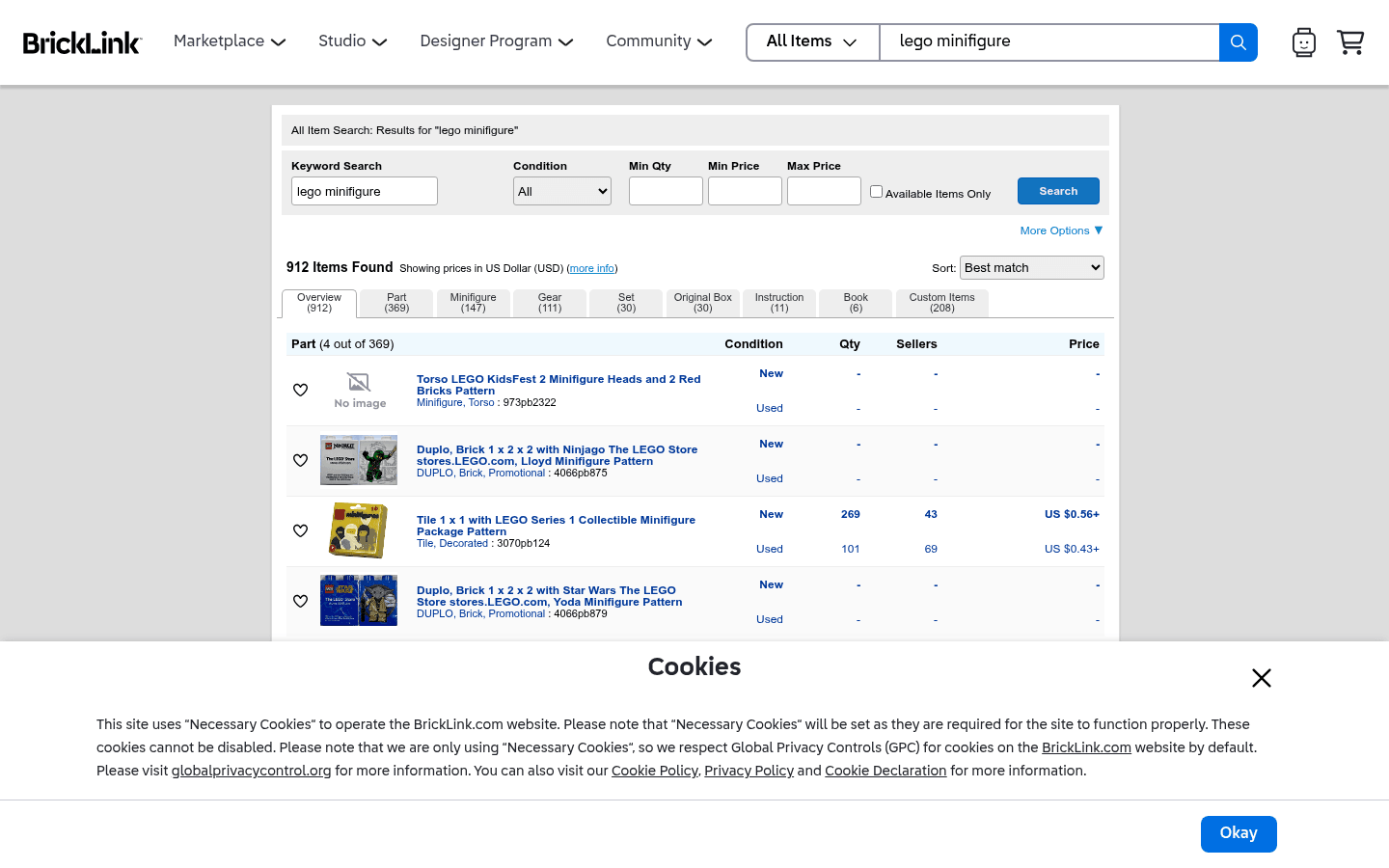
Before choosing where to sell, it helps to see the difference between a live-selling marketplace, a broad search marketplace, a LEGO-native catalog, and a social or local channel. These screenshots are visual references only. Platform interfaces, fees, and rules can change.