

Yes, some LEGO animal pieces are worth more than most minifigures, and it is not even close in a lot of cases. The old horse mold, certain dragons, larger fantasy creatures, and a handful of rare colored birds and owls routinely outsell the common minifigures sitting in the same bin. In my experience sorting lots, I have watched sellers toss a scuffed old horse in the "junk parts" pile while holding onto a plain stormtrooper that is worth a fraction as much.
The short version: value in LEGO animal pieces comes from the same three things that drive minifigure value, scarcity, mold age, and color. A retired mold, an unusual color run, or a piece tied to a short-lived theme can push a single animal element past what a lot of generic minifigures sell for combined. BrickLink sold listings and BrickEconomy data are the two places I check first before I trust a number, and you should too before you price anything in your own lot.
- Pre-2013 LEGO horses (the "old mold") are scarcer than the current horse and often outprice common minifigures.
- Large dragons, griffins, and fantasy creatures from retired Castle and Elves sets carry some of the highest animal piece values.
- Color and mold matter more than theme popularity. A common animal in a rare color beats a popular animal in a common color.
- Always verify current sold prices on BrickLink or BrickEconomy before you price a piece. Do not rely on asking prices alone.
- Tools like the brick'em minifigure and figure database and collection value calculator can speed up pricing an entire lot instead of one piece at a time.
Why Are Some LEGO Animal Pieces Worth More Than Minifigures?
Some LEGO animal pieces outsell minifigures because they combine three value drivers at once: a retired mold, a limited color run, and demand from both minifigure collectors and LEGO parts collectors. A common minifigure might have been produced by the millions, while a specific animal mold in a specific color might have appeared in only one or two sets.
I started paying closer attention to this a few years back when I noticed a beat up old LEGO horse selling for more than three loose Star Wars army builder figures combined. That was my first real lesson that minifigure count does not equal minifigure value, and the same logic applies directly to animals. A piece's story (what set it came from, how long it was produced, and how many colors it exists in) tends to matter more than how "cool" it looks on a shelf.
Which LEGO Horse Molds Are Worth the Most?
The old LEGO horse mold, used from the late 1970s through roughly 2013 before LEGO introduced the newer, more detailed horse, is the mold most sellers should pay attention to. It is not rare in the sense of being hard to find, but certain colors and head/mane combinations from that era are scarce enough to beat out plenty of common minifigures.
In my experience, the horses that move fastest and sell highest are the ones in unusual colors (not the standard brown or white) or the ones that came bundled with a specific saddle or barding piece that is hard to source separately. A seller I know who focuses almost entirely on Castle era parts told me the old horse mold is one of the first things he checks for in any bulk bin, before he even looks at the minifigures.
Once LEGO moved to the newer horse mold around 2013, the older mold stopped being produced, which is exactly the kind of mold retirement that tends to support long term value. If you are sorting a lot and you find a horse that looks "chunkier" or less detailed than the modern LEGO horse, it is worth a closer look before you assume it is low value filler.
How Much Are Large LEGO Animal Pieces Worth?
Large LEGO animal pieces, like bigger dragons, bulls, and elephants, can be worth anywhere from a few dollars for common colors to well over $100 for rare molds or colors, with the most sought after examples climbing higher. These numbers move constantly, so treat any figure here as a starting point, not a guarantee, and check current sold listings before you price your own piece.
Heads up: This is not financial or legal advice. We're sharing what we've learned from the LEGO reselling community.
From what I have seen looking through sold listings, the pattern is pretty consistent: common colors in common sets stay cheap, while limited color runs or one off promotional pieces are what actually move the price. A large dragon piece from a widely produced set in the standard color might sell for the price of a cup of coffee, while the same mold in a short run color from a smaller themed set can sell for several times that. I always tell people to cross check BrickLink sold history and BrickEconomy before trusting an asking price, because asking prices on marketplaces are often inflated compared to what items actually sell for.
Are Dragons and Fantasy Creatures the Most Valuable LEGO Animals?
Dragons and other fantasy creatures are frequently among the most valuable LEGO animal pieces because they tend to be large, theme specific, and tied to shorter production runs than everyday animals like dogs or horses. A big dragon from a retired Castle, Elves, or Ninjago set can be worth more than several common minifigures stacked together.
What pushes a dragon or griffin piece higher is almost always a combination of size, color rarity, and how short the set's production run was. I have noticed that pieces tied to a single wave of a theme, rather than a long running one, tend to hold value better because LEGO simply made fewer of them. If you pull a large fantasy creature out of a bulk lot, it is worth a quick search before you assume it belongs with the rest of the loose parts.
Do Rare LEGO Birds and Owls Sell for More Than Minifigures?
Certain rare colored LEGO birds and owls can sell for more than common minifigures, mainly because owl and bird molds were produced in a narrower range of colors and sets than most minifigures. A bird in an unusual color from a limited run can outprice a generic minifigure that was produced by the millions.
I personally keep an eye out for owls and birds whenever I am sorting old Harry Potter, Forestmen, or nature themed lots, since those are the sets where unusual bird colors tend to show up. It is a small piece that is easy to miss, which is exactly why it is worth checking rather than tossing into a generic parts bin.
Where Should You Sell Valuable LEGO Animal Pieces?
The best place to sell a valuable LEGO animal piece depends on how rare it is. BrickLink is the strongest option for accurately priced individual parts, eBay works well for pieces with broad appeal and faster sale speed, and Whatnot can work for animal pieces bundled into a themed lot you present live.
BrickLink functions almost like the Wall Street of LEGO for parts pricing, since the sold history there is the most reliable reference most sellers use. eBay tends to move items fast, especially if you price a rare piece 30% to 50% under the going BrickLink rate, since buyers on that platform love a deal and a fairly priced rare part will usually sell within a day or two. I will say eBay's economics get tighter once you factor in fees. Between the standard take rate and promoted listings, total eBay fees can climb close to 25% of the sale on some items, which is why I always price with that in mind instead of just the sticker price. BrickLink's fees are much lower by comparison, often cited around 3% plus payment processing, which is part of why it works so well for lower dollar individual parts. Whatnot is a different animal entirely (pun intended): it rewards sellers who can tell the story of a piece on camera, so a rare dragon or old mold horse can do well there if you can explain why it matters to the people watching. Mercari and Facebook Marketplace are also worth checking for local or lower shipping cost sales, especially on bulkier animal pieces that are expensive to ship.
How Do You Identify and Price LEGO Animal Pieces Correctly?
You identify and price a LEGO animal piece correctly by confirming the exact mold and color first, then checking sold listings rather than asking prices. Guessing the mold or rounding the color to "close enough" is the single most common mistake I see sellers make with animal pieces.
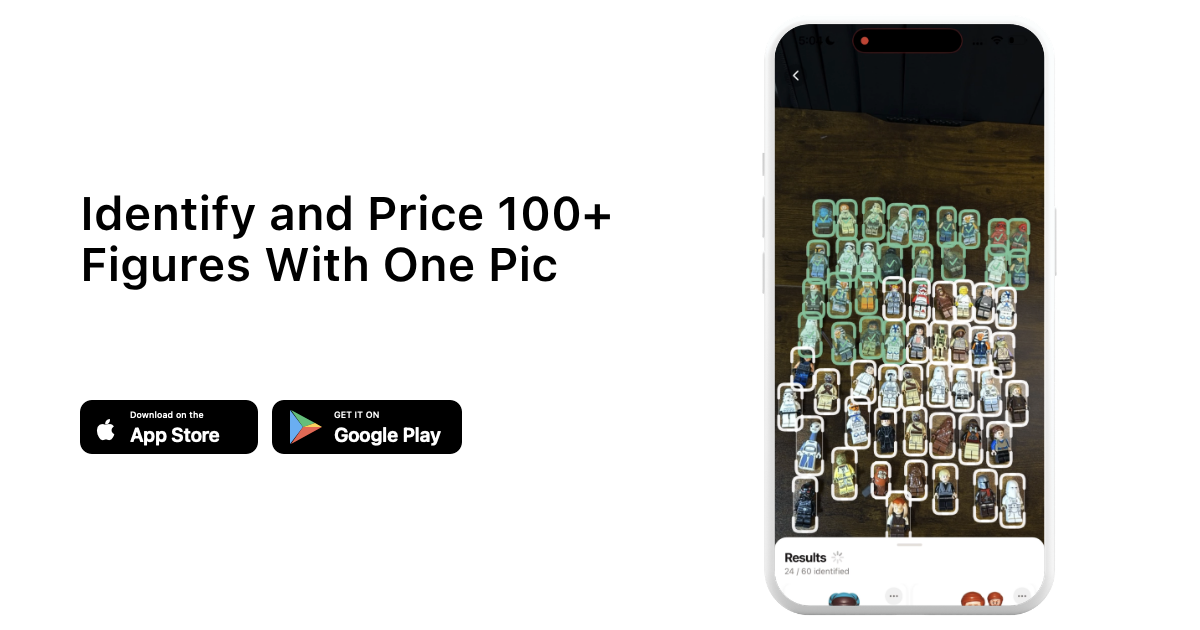
I use a simple process when I am sorting a lot: separate anything that looks like an older mold or an unusual color, confirm it against reference photos, then price it from actual sold data instead of memory. This is exactly the kind of sorting that gets slow if you are doing it piece by piece, which is why I recommend running bulk lots through a scanning tool before you manually price anything. The brick'em figure and piece database tracks pricing data across more than 18,686 minifigures and elements, which is a lot faster than checking each animal piece on BrickLink one at a time. The brick'em app can identify and price large batches of figures and pieces from a single photo, and the haul calculator is useful for estimating what an entire mixed lot is actually worth before you decide whether it is worth your time to part it out.
If you are planning to hold onto animal pieces as part of a longer term collection rather than flipping them immediately, the investment calculator can help you track how a piece's value is trending instead of relying on a single snapshot price.
Checklist: Is Your LEGO Animal Piece Worth More Than a Minifigure?
Use this quick checklist before you decide an animal piece belongs in the "cheap parts" pile.
| Signal | Why it matters |
|---|---|
| Older or retired mold (example: pre-2013 horse) | Retired molds cannot be reproduced, which supports long term scarcity |
| Unusual or short run color | Common colors stay cheap no matter the mold; rare colors drive the real premium |
| Larger size (dragons, bulls, elephants) | Larger pieces are often tied to shorter, more specific production runs |
| Came from a limited or retired theme | Fewer sets produced usually means fewer pieces in circulation today |
| Confirmed against recent sold listings | Asking prices are frequently inflated compared to what items truly sell for |
What Mistakes Do Sellers Make With LEGO Animal Pieces?
The most common mistake sellers make with LEGO animal pieces is assuming an animal is automatically low value because it is not a minifigure, then bulking it into a cheap parts lot without checking the mold or color first. I have personally priced a piece too low more than once before I learned to slow down and check properly.
A second mistake is trusting asking prices instead of sold prices. BrickLink listings can sit at inflated prices for a long time without ever actually selling, so a high asking price does not confirm real market value on its own. The third mistake is shipping damage on larger animal pieces, since dragons, bulls, and other bigger molds are easier to crack or chip in transit than a small minifigure, which quietly erodes the value you worked to identify in the first place.
Frequently Asked Questions
Are LEGO animal pieces considered collectible like minifigures?
Yes, LEGO animal pieces are collected much like minifigures, especially older molds, unusual colors, and pieces tied to retired themes. They do not always carry the same character driven story that minifigures have, but scarcity and mold age create very similar collector demand, and in my experience the right animal piece can outsell a stack of common minifigures.
What is the most valuable type of LEGO animal piece?
Large fantasy creatures like dragons and griffins, plus pre-2013 horses in unusual colors, tend to rank among the most valuable LEGO animal pieces. Value always comes back to mold rarity and color rather than how popular the animal looks, so always confirm current sold prices before assuming any single piece is automatically high value.
Where can I check what my LEGO animal pieces are actually worth?
BrickLink sold listings and BrickEconomy are the two sources I check first, since both track real transaction history rather than just asking prices. For sorting a full lot quickly instead of pricing piece by piece, the brick'em figure database can speed up identification across a large batch.
Should I sell rare LEGO animal pieces separately or in a bulk lot?
If a piece checks the boxes on the checklist above (older mold, rare color, larger size, retired theme), it is almost always worth pulling out and selling separately rather than burying it in a bulk lot. Bulk lots are great for moving volume, but a genuinely rare animal piece will usually earn more attention and a better price on its own.
Do new LEGO sets still include valuable animal molds?
Occasionally, yes, especially limited run colors in Collectible Minifigures series or short lived themed sets, though most newly produced animal pieces are common and low value by design since LEGO makes them in large volume. The pieces worth watching are almost always the ones tied to molds or colors that get quietly retired a few years later.